Grading and Collecting
Collecting comic books is as much about understanding the condition and provenance of what you own as it is about the stories inside. Two copies of the same issue can differ in value by thousands of dollars based on condition alone. A first appearance of a beloved character in pristine shape is a fundamentally different collectible from the same issue with torn pages and a missing cover. This section covers the terminology, systems, and strategies that serious collectors use to evaluate, preserve, and catalog their comics.
Whether you collect raw comics in bags and boards or pursue professionally graded slabs, the concepts below will help you understand what you own, what it is worth, and how to track it accurately.
What Is a Key Issue?
A key issue is a comic book that is considered significant within the broader collecting hobby, usually because something important happens in it for the first time. Key issues are the anchor points of the secondary market, the books that drive demand, hold value, and attract attention from collectors and investors.
Not every comic is a key. The vast majority of issues published each month are standard story installments that hold their cover price or less on the secondary market. A key issue stands out because it contains a milestone event that gives the physical comic lasting significance beyond its story content.
The most common reasons a comic qualifies as a key issue:
- First appearance of a character who becomes popular or culturally significant (the single most common driver of key issue status)
- First full appearance, when a character who was teased or shown briefly in a previous issue appears fully for the first time
- Origin story of a major character, revealing their backstory for the first time
- First appearance of a new costume, identity, or team lineup
- Death of a major character, particularly when the death has lasting consequences
- First work by a notable creator on a title or at a publisher
- First issue of a series, especially long-running or culturally important titles
- Milestone issue numbers such as #100, #500, or #1000
- Crossover events or universe-altering storylines
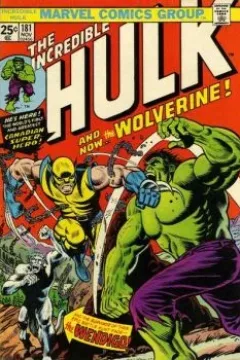
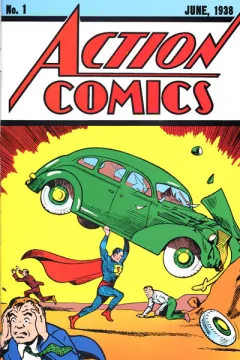
Some of the most valuable comics in the hobby are keys: Action Comics #1 (first appearance of Superman), Amazing Fantasy #15 (first appearance of Spider-Man), Incredible Hulk #181 (first full appearance of Wolverine), and The New Mutants #98 (first appearance of Deadpool). These books command premium prices in any condition because their key status creates constant demand.
Key issue status is not fixed or objective. A character who appears in a blockbuster film can turn a previously obscure comic into an overnight key. Conversely, a character who falls out of cultural relevance may see their first appearance decline in demand. The secondary market reassesses key status constantly based on media adaptations, creative revivals, and collector trends.
What Is a First Appearance?
A first appearance is the debut of a character, team, concept, or significant element in a published comic book. It is the single most important designation in comic book collecting because first appearances are the primary driver of key issue value. The comic where a character first shows up is, by definition, the only issue that can ever hold that distinction, which gives it a permanent scarcity of significance even when millions of physical copies exist.
First appearances generate value because they represent an unrepeatable event. Only one comic can be the first to feature Spider-Man, Wolverine, or Harley Quinn. Every subsequent appearance is just that: subsequent. Collectors place a premium on owning the origin point.
However, first appearances are not always straightforward. Several classifications exist within the concept:
- First appearance (or first full appearance) means the character appears in the story with a meaningful role, usually named and visually established
- First cameo means the character appears briefly, often in a single panel or in shadow, before their full debut in a later issue. Cameos are valued but typically less than full first appearances
- First cover appearance means the character appears on a cover for the first time, which may or may not coincide with their first interior appearance
- First appearance in costume or first appearance as [identity] applies when a character exists as a civilian before adopting a superhero or villain persona
The distinction between a cameo and a full first appearance is one of the most debated topics in collecting. Wolverine's first cameo in Incredible Hulk #180 (a single panel on the last page) versus his first full appearance in Incredible Hulk #181 (a major role throughout the issue) is a classic example. Both are valuable, but #181 is the recognized first full appearance and commands a significantly higher price.
First appearances matter beyond value. They are historical markers in the medium. Knowing that Venom first appeared in The Amazing Spider-Man #300 or that Miles Morales debuted in Ultimate Fallout #4 places those characters in their publishing context and helps collectors understand the timeline of the stories they follow.
What Is a Slabbed Comic?
A slabbed comic is a comic book that has been submitted to a professional grading company, evaluated for condition, assigned a numeric grade, and sealed in a rigid, tamper-evident plastic case called a slab. The slab protects the comic from physical damage, environmental degradation, and handling, while a label on the front displays the grade, title, issue number, and other identifying information.
The term "slab" is collector slang for the hard plastic enclosure, and "slabbed" means the comic has been through the professional grading process. Once a comic is slabbed, it cannot be opened without breaking the case's tamper-evident seal, which effectively voids the grade. A slabbed comic is meant to be stored, displayed, and sold in its case, not read.
Slabbing serves several purposes in the collecting hobby:
- Objective condition assessment by trained professionals removes the subjectivity of self-grading. A seller's claim of "Near Mint" means nothing without verification, but a CGC 9.8 grade carries industry-recognized credibility
- Preservation within the sealed case protects the comic from further degradation due to handling, humidity, light, and accidental damage
- Authentication confirms that the comic is genuine, not a counterfeit or an altered copy. The grading company verifies the printing, paper stock, and other physical characteristics
- Market standardization allows buyers and sellers to transact with confidence. A graded comic's value is tied to its verified grade, which eliminates much of the guesswork in pricing
- Signature verification through programs like CGC's Signature Series confirms that autographs on the comic are authentic and were witnessed by an authorized representative
The tradeoff of slabbing is that the comic can no longer be read or handled directly. For collectors who view comics primarily as artifacts and investments, this is an acceptable exchange for the protection and authentication. For readers who want to enjoy the story, a slabbed comic is effectively a sealed display piece.
The Grading Scale
Professional comic book grading uses a numeric scale from 0.5 to 10.0, with higher numbers indicating better condition. The scale is divided into named condition grades, each corresponding to a range of numeric values. Every grading company uses the same fundamental scale, which is derived from the Overstreet Comic Book Price Guide, an annual reference book first published in 1970 by Robert M. Overstreet that established the standard condition grades and pricing benchmarks the entire hobby still uses. Overstreet's condition standards have served as the baseline for decades.
The major condition grades, from best to worst:
- Near Mint/Mint (NM/M) 9.8 to 10.0: A virtually perfect comic. Flat cover with no visible defects to the naked eye. Sharp corners, bright colors, clean interior pages. A 10.0 (Gem Mint) is almost never assigned; 9.8 is the practical ceiling for most comics.
- Near Mint (NM) 9.0 to 9.6: Minimal wear. Minor printing imperfections or slight corner blunting may be visible under close inspection. Most collectors consider NM the target condition for modern comics.
- Very Fine (VF) 7.5 to 8.5: Light wear visible. Minor corner creases, small stress lines on the cover, or slight spine roll. Still an attractive copy that presents well.
- Fine (FN) 6.0 to 7.5: Moderate wear. Noticeable creasing, minor tears, some color fading. The comic has been read and handled but remains structurally solid.
- Very Good (VG) 4.0 to 6.0: Significant wear. Creases, small tears, some discoloration or staining. The comic shows clear signs of regular use over time.
- Good (GD) 1.8 to 4.0: Heavy wear. Cover may be detached or nearly so. Major creases, tears, or pieces missing. The comic is complete but shows substantial damage.
- Poor (PR) 0.5 to 1.8: Severe damage. May be missing pieces of the cover or interior pages. Heavy soiling, water damage, or structural failure. The comic is barely holding together but is still identifiable as the issue it represents.
Half-point and quarter-point increments exist between the major grades (for example, 7.0, 8.5, 9.4), allowing graders to pinpoint condition with precision. The difference between a 9.6 and a 9.8 may seem trivial, but for high-demand books, that gap can represent hundreds or thousands of dollars in market value.
Understanding the grading scale helps collectors set realistic expectations for their books. A modern comic pulled from the shelf on release day and immediately bagged and boarded might grade anywhere from 9.4 to 9.8 depending on printing quality and handling. A Golden Age comic that has survived 80 years in an attic is doing well to grade 4.0. Condition is always relative to the era and circumstances of the book.
Raw vs. Graded Collecting
One of the most active debates in the hobby is whether to collect raw (ungraded) comics or graded (professionally slabbed) comics. Both approaches have dedicated followings, and many collectors maintain a mix of both depending on the book's value, significance, and intended purpose.
Raw collecting means keeping comics in their original unslabbed state, typically protected by bags, boards, and storage boxes. Raw collectors handle, read, organize, and display their comics directly.
Advantages of raw collecting:
- Lower cost per book, since you avoid grading fees (which can range from $20 to $150+ per comic depending on the tier and turnaround time)
- Full access to the comic for reading, lending, and physical enjoyment
- Flexibility to upgrade, sell, or reorganize without breaking a slab
- Personal assessment of condition, which many experienced collectors trust for mid-value books
Graded collecting means submitting comics to a professional service, receiving a numeric grade, and storing the book in its sealed slab.
Advantages of graded collecting:
- Verified condition removes guesswork for buyers and sellers
- Superior preservation within the tamper-evident case
- Higher resale prices for key issues, since buyers pay a premium for the certainty of a professional grade
- Authentication against counterfeits and restoration
The practical dividing line for most collectors comes down to value. A $5 comic is not worth a $30 grading fee. A $500 first appearance benefits significantly from professional authentication and a verified grade. Many collectors keep the bulk of their collection raw and selectively submit their most valuable or sentimental books for grading.
When adding a comic to your collection on VerseDB, you can log it either way. Raw comics are tracked with a condition band (Near Mint, Very Fine, Fine, Very Good, Good, or Poor) that reflects your personal assessment. Graded comics are tracked with the specific grading company, numeric grade, and page quality recorded on the slab's label. This distinction lets your collection data reflect exactly how each comic exists on your shelf, whether it is a bagged-and-boarded raw copy or a professionally certified slab.
CGC, CBCS, PGX, and PSA
Four companies dominate the professional comic book grading market. Each uses the same 0.5 to 10.0 scale, but they differ in reputation, label types, turnaround times, pricing, and market acceptance. Understanding the differences helps collectors decide where to submit their books.
CGC (Certified Guaranty Company)
CGC is the largest and most established comic grading company, founded in 2000 in Sarasota, Florida. CGC grades are the industry standard, and their slabs command the highest premiums on the secondary market. A CGC 9.8 is the benchmark that most collectors and dealers reference when discussing high-grade comics.
CGC offers several label types that indicate different categories of graded comics:
- Universal (blue label): Standard grading for unrestored, unsigned comics. This is the most common label.
- Signature Series (yellow label): Comics signed in the presence of a CGC-authorized witness. The signature is authenticated and noted on the label.
- Qualified (green label): Comics that have a significant defect (such as a missing page or coupon clipped) that prevents a higher grade but are otherwise notable.
- Restored (purple label): Comics that have undergone professional restoration to improve their appearance. Restoration is disclosed and affects value.
- CGC x JSA (red label): A newer label for comics with signatures authenticated by JSA (James Spence Authentication) rather than a CGC witness.
CBCS (Comic Book Certification Service)
CBCS was founded in 2014 by Steve Borock, who had previously served as the primary grading finalizer at CGC. CBCS is the second most recognized grading company and has built a reputation for consistent, accurate grading. Their slabs are accepted by most dealers and auction houses, though CBCS grades typically sell for slightly less than equivalent CGC grades on the secondary market.
CBCS label types include:
- Standard (red label): Equivalent to CGC's Universal label. Unrestored, unsigned comics.
- Verified Signature (green label): Comics with signatures verified by CBCS through handwriting analysis, even if the signing was not witnessed. This is a key differentiator from CGC, which requires in-person witnessing for their Signature Series.
- Restored (blue label): Comics with disclosed restoration.
PGX (Professional Grading Experts)
PGX has been in operation since the early 2000s but has a more controversial reputation in the collecting community. PGX grades are accepted by some collectors and dealers, but their slabs generally sell at a noticeable discount compared to CGC and CBCS. Some collectors purchase PGX-graded books at a discount and resubmit them to CGC or CBCS, a practice known as "cracking and resubmitting."
PSA (Professional Sports Authenticator)
PSA is the dominant grading company for sports cards and has expanded into comic book grading. PSA brings name recognition from the card collecting world, but their presence in the comic grading market is newer and smaller than CGC's or CBCS's. PSA label types include Standard, Signed, Conserved, and Restored.
For most collectors, the choice between grading companies comes down to intended use. If you plan to sell, CGC slabs command the highest premiums. If you have signed books that were not witnessed at signing, CBCS's Verified Signature program offers a path to authentication. PSA may appeal to collectors who also grade cards and want a single account across hobbies.
VerseDB tracks all four grading companies (CGC, CBCS, PGX, and PSA) as options when logging a graded comic in your collection. You can record the company, numeric grade, grade label type, certification number, and page quality for each slabbed book, ensuring your collection data matches what is printed on the slab itself.
Page Quality and Why It Matters
When a professional grading company evaluates a comic, they assess more than just the cover and structural condition. The page quality of a comic, meaning the color and condition of the interior paper, is recorded on the slab's label as a separate notation. Page quality does not affect the numeric grade directly, but it significantly affects desirability and value among collectors.
Comic book paper degrades over time. Exposure to light, humidity, acid content in the paper stock, and environmental pollutants causes pages to yellow, darken, and eventually become brittle. The progression from white to brittle pages can take decades, but it is irreversible without professional conservation.
The standard page quality designations, from best to worst, are:
- White (W): Pages show no visible yellowing or discoloration. The paper appears as close to its original manufactured state as possible. White pages are the most desirable and command a premium, particularly on older comics where white pages are rare.
- Off-White to White (OW/W): Very slight yellowing that is only noticeable in direct comparison to a true white-page copy. Still highly desirable and common on well-stored modern comics.
- Off-White (OW): A light, even yellowing across the pages. The paper has aged but remains in solid condition. Common on Bronze and Copper Age comics that were reasonably well stored.
- Cream to Off-White (C/OW): Noticeable yellowing that gives the paper a warm, aged tone. Common on older comics and those stored in less-than-ideal conditions.
- Light Tan (LT): Significant yellowing approaching a tan shade. The paper has experienced considerable aging.
- Tan (T): Heavy yellowing and discoloration. The paper is noticeably darkened and may feel slightly stiff.
- Brittle (B): The paper has degraded to the point where it is fragile and prone to cracking or crumbling when handled. Brittle pages indicate severe aging, often due to acid content in the paper stock or prolonged exposure to poor environmental conditions.
Page quality matters most for older comics. A Golden Age comic with white pages is exceptionally rare and will sell for a significant premium over the same book with cream or tan pages, even at the same numeric grade. For modern comics printed on higher-quality paper with lower acid content, white pages are the norm rather than the exception.
When you log a graded comic on VerseDB, the page quality field lets you record exactly what appears on your slab's label: White, Off-White to White, Off-White, Cream to Off-White, Light Tan, Tan, or Brittle. This detail matters because two slabs with identical grades can have different page qualities, and a buyer evaluating your collection will want to know.
Signature Series and Authenticated Signatures
A Signature Series comic is a professionally graded book that bears an autograph witnessed and verified by an authorized representative of the grading company. The key word is "witnessed." The signature must be applied in the physical presence of a company representative who can confirm the identity of the signer and the authenticity of the signature. The graded comic then receives a special label (yellow for CGC Signature Series, green for CBCS Verified Signature) that documents the signer's name and the date of signing.
The witnessing requirement exists to guarantee authenticity. Anyone can write a name on a comic book cover. Without a credentialed witness confirming who actually signed it, there is no reliable way to verify the autograph after the fact. Signature Series programs solve this by creating a documented chain of custody: the witness observes the signing, the comic is immediately submitted for grading, and the slab's label permanently records the authentication.
Signature Series comics are typically signed at:
- Comic book conventions, where grading companies set up booths and creators sign books in the presence of company representatives
- Organized signing events at comic shops, where a grading company sends a witness to authenticate signatures
- Private signings arranged between creators and grading companies for high-volume submissions
CBCS takes a slightly different approach with their Verified Signature program. In addition to witnessing signatures at events, CBCS can verify signatures through handwriting analysis on books that were not signed in the presence of a witness. This gives collectors a path to authenticate books signed at conventions or in person where no grading company witness was present.
Signature Series comics typically sell for a premium over their unsigned equivalents, particularly when the signer is a well-known creator associated with the book (such as a writer or artist who worked on the issue). However, not all signatures add equal value. A signature from the book's penciler or writer adds more than a signature from an unrelated celebrity. Multiple signatures from the full creative team can add significant value to a key issue.
VerseDB tracks both whether a comic in your collection is signed and whether that signature has been authenticated. The is_signed field records the presence of a signature, while signature_authenticated indicates whether the signature has been professionally verified through a witnessing or authentication program. This distinction matters because an unverified signature on a raw comic is treated very differently by the market than a witnessed Signature Series slab.
Collecting Strategies
There is no single correct way to collect comics. Some collectors focus on financial value, others on personal meaning, and many pursue a combination of both. Understanding the most common collecting strategies helps you define your own approach and organize your collection with intention.
Key Issue Hunting
Key issue hunters focus on acquiring comics with significant first appearances, milestone events, or historical importance. This strategy treats the collection as a curated set of the most notable books in the hobby. Key issue collectors often prioritize condition heavily, since the value of a key is directly tied to its grade.
This approach requires staying current with market trends. A media adaptation announcement can turn an obscure first appearance into a sought-after key overnight, and experienced key issue hunters watch solicitation news, casting announcements, and trailer releases for signals.
Run Collecting
Run collectors aim to acquire every issue of a specific series, often in sequential order. Completing a full run of Uncanny X-Men from #1 to #544, or The Amazing Spider-Man from #1 to #700, is a long-term project that combines the thrill of the hunt with the satisfaction of completeness. Run collectors typically accept a range of conditions, since insisting on Near Mint for every issue of a 500-issue run would be prohibitively expensive.
Run collecting is deeply satisfying for readers who want to experience a series as a continuous narrative rather than cherry-picking highlights.
Character Collecting
Character collectors focus on a single character or team, acquiring their appearances across multiple titles, series, and publishers. A dedicated Wolverine collector might pursue not only his solo titles but also every X-Men issue featuring him, his guest appearances in Spider-Man and Avengers, and his one-shots and limited series. Character collecting naturally overlaps with key issue hunting, since the character's first appearance is usually the most prized book in the collection.
Creator Collecting
Some collectors follow specific writers or artists rather than characters, building collections around the body of work produced by a favorite creator. A collector focused on Jock, Peach Momoko, or Alex Ross might acquire every cover and interior they have produced, regardless of publisher or character. Creator collecting often emphasizes cover art and variant covers, since many prominent artists are known primarily for their cover work.
Format Collecting
Format collectors specialize in a specific physical format: trade paperbacks, hardcovers, omnibuses, or original graphic novels. This approach prioritizes the reading experience and shelf presentation over single-issue collecting. An omnibus collector, for example, might build a library of oversized hardcover collections that contain entire creative runs in single volumes.
Modern Speculation
Modern speculators buy new comics with the expectation that certain issues will increase in value on the secondary market. This strategy focuses on identifying potential keys before the market fully prices them in, often by tracking casting rumors, solicitation details, or first appearances of new characters. Speculation is higher risk than other strategies because most new comics do not appreciate in value, and the speculator must correctly predict which issues the market will reward.
How VerseDB Supports Collectors
VerseDB is built to accommodate every collecting strategy and every level of detail a collector wants to track. When you add a comic to your collection on the platform, you can record a comprehensive set of data points that reflect the real-world specifics of the physical copy sitting on your shelf.
For every comic in your collection, VerseDB supports:
- Condition tracking for raw comics, using standard grade bands (Near Mint, Very Fine, Fine, Very Good, Good, Poor) that match the terminology used by the Overstreet Guide and the collecting hobby at large
- Professional grading data for slabbed comics, including the grading company (CGC, CBCS, PGX, or PSA), the exact numeric grade, the certification number, the grade label type, and the page quality recorded on the slab
- Signature tracking, including whether the comic is signed and whether the signature has been professionally authenticated through a witnessing or verification program
- Financial data, including the price you paid and the estimated current value, which lets you track the financial dimension of your collection over time
- Print number identification, so a first printing and a second printing of the same issue are logged as the distinct collectibles they are
- Variant specification, tying your collection entry to the specific variant (standard cover, ratio variant, retailer exclusive, etc.) that matches what you own
- Notes and storage location, so you can document any additional details about a specific copy and track where it is physically stored
This level of detail exists because collectors care about specifics. A CGC 9.8 with white pages is not the same collectible as a CGC 9.4 with off-white pages, and neither is the same as a raw Very Fine copy stored in a longbox. VerseDB treats each combination of these attributes as a unique collection entry, ensuring that your digital catalog is as precise as the physical collection it represents.
You're subscribed!
Thanks for joining our newsletter.
About the author

Hey, I'm Michael! As the creator and developer behind VerseDB, I get to combine my love for building great software with a serious comic book habit. While I definitely enjoy the thrill of collecting, I'm ultimately in it for the stories they tell. For me, it's all about getting lost in a great narrative and appreciating the artwork. I'm a massive fan of hunting down and showcasing beautiful covers. I built this platform to give readers and collectors a clean, organized place to catalog the issues, runs, and art that mean the most to them. Take a look around, log your favorites, and welcome to the community!
Your Comic Collection Awaits
Join thousands of comic enthusiasts tracking their collections,
discovering new series, and connecting with fellow fans.