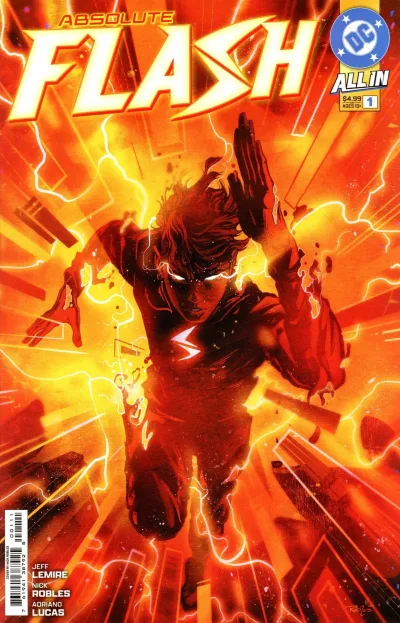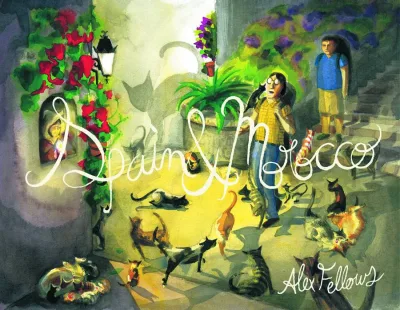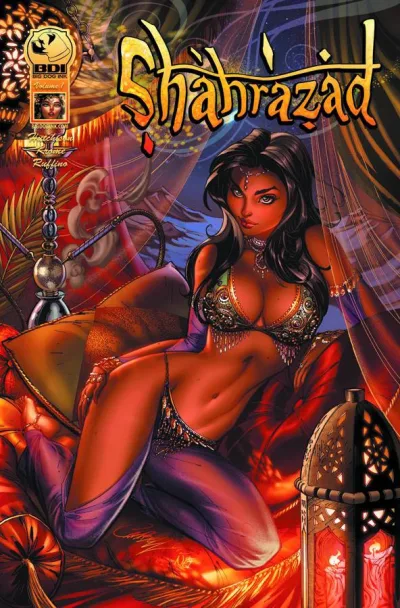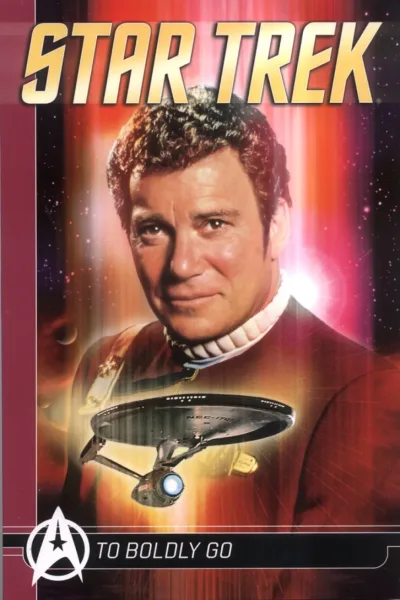
Series, Volumes, and Numbering
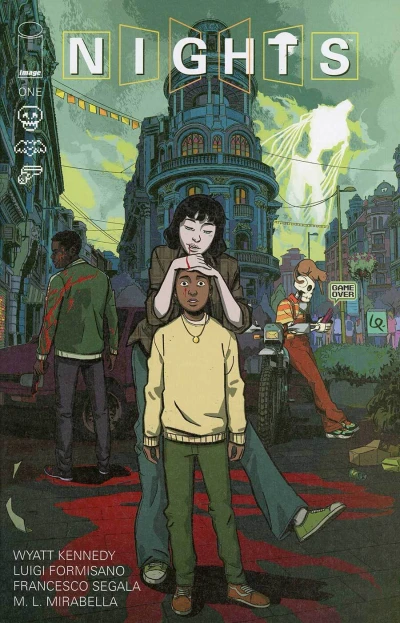
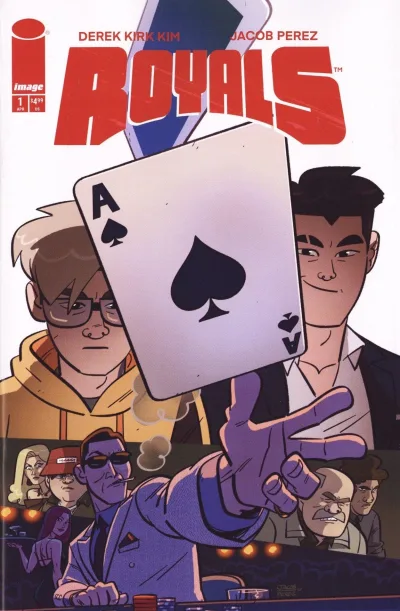
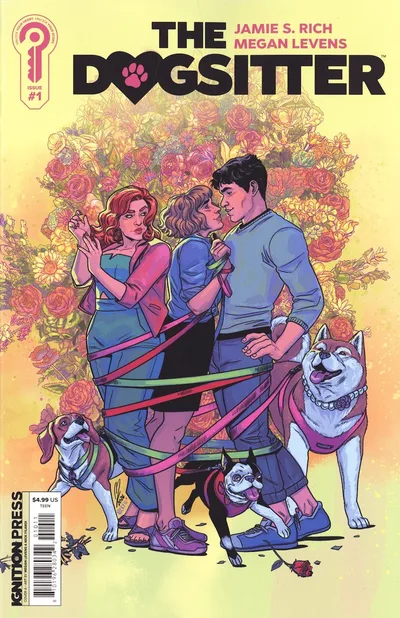
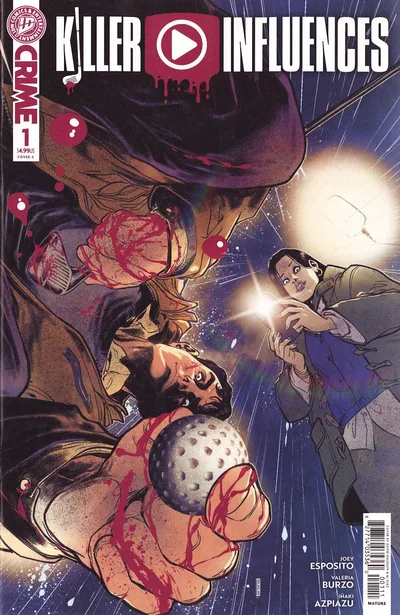
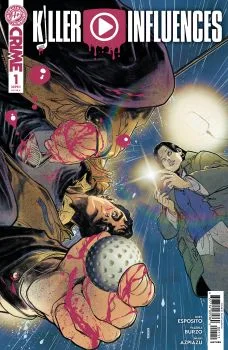
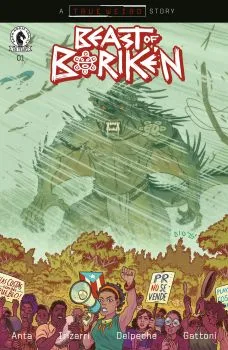
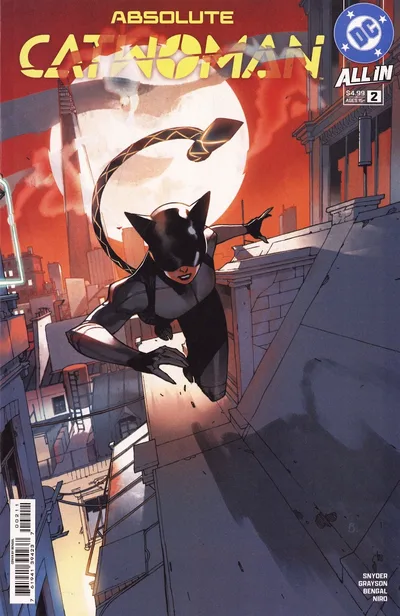
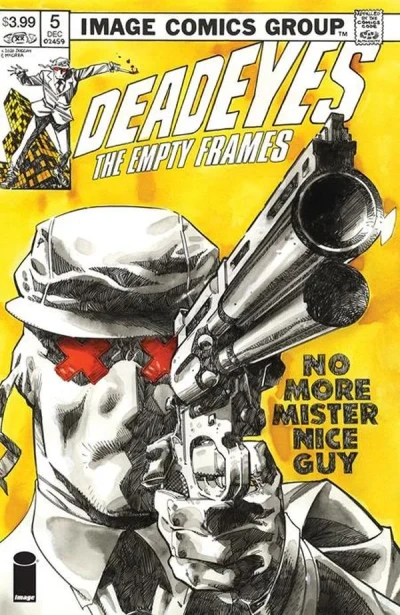
Comic book numbering is one of the most confusing aspects of the medium for new readers. A single character like Spider-Man or Batman may have dozens of series associated with their name, each with its own Issue #1 and its own numbering system. Understanding how series, volumes, and issue numbers work is essential for navigating a collection, finding back issues, and knowing exactly which comic someone is referring to.
Below is a breakdown of the key terms and conventions that govern how comic books are numbered and organized.
What Is a Comic Book Series?
A comic book series is a continuous run of issues published under the same title. Each issue is numbered sequentially, starting from #1, and the series continues for as long as the publisher decides to keep it going. Some series run for only a handful of issues, while others span decades and hundreds of installments.
A series is defined by its title, publisher, and numbering sequence. It represents one unbroken publishing run under one set of issue numbers.
Comic book series:
- Are published on a regular schedule, typically monthly or bi-monthly
- Share a consistent title across all issues in the run
- May feature rotating creative teams over the course of the run
- Can be ongoing (no planned ending) or limited (a set number of issues)
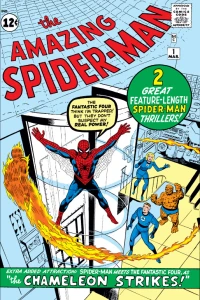
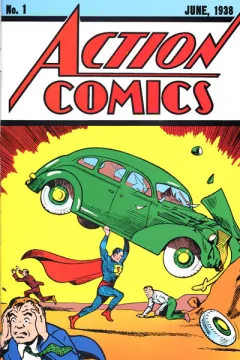
Long-running series like The Amazing Spider-Man or Action Comics have published over a thousand issues across their histories. However, even these titles have been relaunched with new #1 issues at various points, which is where the concept of volumes becomes important.
When a series is cancelled or concluded and then restarted later with a new Issue #1, the original run and the new run are considered separate series, even if they share the same title. This distinction is essential for accurate cataloging, and it is why comic book databases organize their data around a hierarchy rather than a flat list of issues.
VerseDB uses a three-level hierarchy to organize comics: Titles, Series, and Issues. A Title is the overarching name that connects all versions of a publication. "The Amazing Spider-Man" is a title. Under that title sit multiple Series, each representing a distinct publishing run with its own numbering sequence. And within each series are the individual Issues that were published during that run. This structure mirrors how the industry actually works: a title can span decades and accumulate multiple series, but each series is a specific, bounded run of issues.
What Is a Comic Book Volume?
In comic book terminology, a volume refers to a specific run of a series that begins with its own Issue #1. When a publisher cancels or concludes a series and later relaunches it under the same title with a new first issue, the new run is designated as a new volume. The original run becomes Volume 1, the relaunch becomes Volume 2, and so on. The terms "volume" and "series" are often used interchangeably in this context, and both refer to the same thing: one continuous numbering sequence under one title.
Volumes exist because publishers periodically restart their titles. Each restart creates a distinct numbering sequence that needs to be differentiated from previous runs.
Volume designations help clarify:
- Which specific run of a title is being discussed
- The creative era or editorial direction of that particular run
- The correct issue number when multiple runs share the same title
- The chronological order of different publishing periods
For example, if someone refers to Thor #1, that could mean the original 1966 series, the 1998 relaunch, the 2007 relaunch, or any number of subsequent restarts. Specifying the volume (such as Thor Volume 4 #1) removes the ambiguity.
Databases and collectors use volume numbers as a standard way to distinguish between these overlapping runs. Without them, cataloging and discussing comics with shared titles would be nearly impossible.
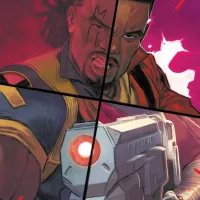
Another common convention for distinguishing series is the year in parentheses. Instead of volume numbers, many collectors, databases, and comic shops identify a series by the year its first issue was published. Under this system, the original Cyclops series that launched in 2014 is referred to as Cyclops (2014), while a new Cyclops series launching in 2026 would be Cyclops (2026). The year immediately tells you which run is being discussed without needing to know whether it is Volume 2 or Volume 3. This naming convention is especially useful for characters with many relaunches, where volume numbers can become difficult to track. VerseDB uses this year-based naming as the standard way to identify series, displaying the title name alongside the start year so that every series is unambiguously identifiable at a glance.
Why Are There So Many Issue #1s?
One of the most common questions from new comic readers is why the same character seems to get a new Issue #1 every few years. The answer involves a combination of marketing strategy, creative shifts, and publisher philosophy.
Issue #1s consistently outsell other issue numbers. A new first issue generates attention from collectors, speculators, and casual readers who see it as a natural entry point. Publishers are aware of this sales bump and use relaunches strategically.
Common reasons for a new Issue #1:
- A new creative team takes over and the publisher wants to signal a fresh start
- A major storyline concludes and the next chapter begins with a clean slate
- A universe-wide reboot or editorial initiative resets multiple titles at once
- The publisher wants to attract new readers who may be intimidated by high issue numbers
- Sales on the current run have declined and a relaunch can generate renewed interest
DC's "The New 52" in 2011 restarted every ongoing series at #1. Marvel has relaunched major titles multiple times throughout the 2010s and 2020s. These restarts are not always tied to a reboot of continuity. In many cases, the story continues directly from the previous run, and only the numbering changes.
For collectors, frequent relaunches mean there are many more first issues to track. For readers, it means a new #1 is often the best place to start following a series, even if the character has decades of history.
What Is Legacy Numbering?
Legacy numbering is a system where a comic book displays a cumulative issue count that spans all previous volumes of a title, regardless of how many times the series has been relaunched. It treats every volume as part of one continuous publication history.
Publishers use legacy numbering to acknowledge the full history of a title and to celebrate milestone issue numbers. A title that has been relaunched three times may have only reached Issue #25 in its current volume, but if the total count across all volumes is #700, the publisher may choose to display that legacy number.
Legacy numbers are used to:
- Mark milestone issues such as #100, #500, or #1000
- Honor the historical significance of long-running titles
- Appeal to longtime readers and collectors who value continuity
- Generate attention for special anniversary issues with bonus content or variant covers
The way legacy numbers are displayed varies. Some publishers print the legacy number prominently on the cover, replacing the current volume number entirely. Others display both numbers, with the current volume number in one location and the legacy number in another. In some cases, a series will temporarily switch to legacy numbering for a single milestone issue and then revert to its regular volume numbering the following month.
Action Comics used this approach when it reached its legacy Issue #1000 in 2018, despite having been relaunched with a new #1 during "The New 52." The series reverted to legacy numbering permanently at that point, acknowledging the cumulative history dating back to 1938.
For collectors and databases, tracking both the volume-specific number and the legacy number is important. Either number may appear on the cover, in solicitations, or in secondary market listings.
How Do Annuals Fit Into Numbering?
Annuals are numbered on a completely separate track from the main series. A title like The Amazing Spider-Man will have its regular issue numbers (#1, #2, #3, and so on) alongside a separate annual numbering sequence (Annual #1, Annual #2, Annual #3).
This independent numbering means that annuals do not interrupt or affect the main series count. Issue #50 of a series is followed by Issue #51, regardless of whether an annual was published between them.
Annuals and numbering:
- Follow their own sequential count, independent of the regular series
- May reset to Annual #1 when the main series is relaunched with a new volume
- Sometimes use the year of publication instead of a sequential number (for example, Batman Annual 2024 rather than Batman Annual #5)
- Can share story threads with the main series but are cataloged as separate publications
Some publishers have moved away from sequential annual numbering in recent years, opting to label annuals by year instead. This approach avoids confusion when a series is relaunched, since a year-labeled annual does not need to reset its count.
For collectors and readers tracking a complete run, annuals are considered part of the title's broader publishing history but are organized separately from the core issue list. Missing an annual will not create a gap in your main series numbering, but it may mean missing a story that connects to the ongoing plot.
Variants, Printings, and Editions
Variant covers, additional printings, and special editions are among the most actively discussed (and most frequently misunderstood) aspects of comic book collecting. At their core, these terms all describe different versions of the same comic book issue, but each one differs in how it was produced, how many copies exist, and how it reaches collectors. Understanding the distinctions is essential for cataloging a collection accurately and for evaluating what you actually own.
This section breaks down the major categories of variants, printings, and editions you will encounter as a collector or reader.
What Is a Variant Cover?
A variant cover is an alternate version of a comic book's cover artwork published for the same issue. The interior story is identical across all variants. Only the cover art, and sometimes the cover treatment or finish, changes. A single issue may have one variant or dozens, depending on the publisher's strategy and the title's popularity.
Variant covers exist because they drive sales. Retailers order more copies when multiple covers are available, and collectors often buy more than one version of the same issue. Publishers benefit from increased order numbers, retailers benefit from higher foot traffic, and collectors get more options for their shelves.
Variant covers include:
- Standard covers (sometimes called Cover A), which are the default version shipped in the highest quantity
- Cover B, Cover C, and so on, which are alternate covers available at the same price and order quantity as the standard
- Ratio variants, which require retailers to order a set number of standard copies to unlock one variant copy (more on these below)
- Retailer exclusives, commissioned by individual comic shops
- Convention exclusives, available only at specific events
- Special finish variants, including foil, hologram, glow-in-the-dark, and other enhanced covers
The variant market has grown substantially over the past two decades. A single issue of a popular series may ship with five, ten, or even twenty different covers when accounting for ratio tiers, store exclusives, and convention editions. For collectors tracking everything they own, this means that identifying the specific variant matters just as much as identifying the issue number itself.
What Is a Ratio Variant?
A ratio variant is a variant cover that retailers can only order in proportion to their orders of the standard cover. The ratio is expressed as two numbers separated by a colon. A 1:25 variant means the retailer must order 25 copies of the standard cover to receive one copy of the variant. A 1:100 variant requires 100 standard copies for a single variant copy.
This ordering structure directly controls how many copies of the variant exist. A small shop that orders 30 copies of an issue can qualify for one 1:25 variant but cannot access the 1:50 or 1:100 tiers. Only the largest retailers and those willing to commit to significant orders can stock the higher-ratio variants.
Common ratio tiers include:
- 1:10 and 1:15, which are relatively accessible and often feature alternate artists or colorists
- 1:25, the most common incentive tier, frequently featuring popular cover artists like Peach Momoko, Artgerm, or Stanley "Artgerm" Lau
- 1:50 and 1:100, which are significantly rarer and typically command higher prices on the secondary market
- 1:200, 1:500, and higher, which are exceptionally scarce and usually reserved for major launches or milestone issues
The ratio determines rarity, but rarity alone does not determine value. A 1:25 cover by a sought-after artist can sell for more than a 1:100 by a lesser-known one. Demand and the artist's collector following matter as much as the print run.
What Is a Retailer Exclusive Variant?
A retailer exclusive is a variant cover commissioned by a specific comic shop or retail company. The shop works directly with the publisher to produce a unique cover, often selecting the artist themselves. In exchange, the shop commits to ordering a minimum number of copies, and the resulting variant is sold exclusively through that retailer.
Retailer exclusives differ from standard variants in several important ways:
- They are not available through normal distribution and cannot be ordered by other shops
- They often feature the retailer's name or logo printed on or inside the cover
- Print runs are determined by the retailer's order commitment, which is typically in the hundreds rather than thousands
- They may be offered in multiple tiers, such as a trade dress version and a virgin version with different print runs
Because retailer exclusives are tied to a single shop, they can be harder to find after release. Collectors who want a specific store exclusive often need to order directly from that retailer's website or find copies on the secondary market.
What Is a Virgin Variant?
A virgin variant is a cover printed without any of the standard text, logos, or design elements that normally appear on a comic book's front cover. The trade dress, which includes the title, issue number, publisher logo, barcode, creator credits, and any other printed information, is removed entirely, leaving only the artwork.
The result is a cover that looks more like a standalone piece of art than a commercial product. Virgin variants appeal to collectors who value cover art as art, and they are frequently displayed, framed, or submitted for professional grading.
Key characteristics of virgin variants:
- They feature the same artwork as a corresponding trade dress variant, just without the overlaid text and logos
- They are almost always produced in smaller quantities than their trade dress counterparts, often 500 copies or fewer
- They are commonly paired with retailer exclusives, where the shop offers both a trade dress and a virgin version at different price points
- Their lower print runs generally make them more expensive than the standard version of the same cover
What Are Foil, Hologram, and Glow-in-the-Dark Variants?
Special finish variants use physical enhancements on the cover stock itself, adding materials or treatments that go beyond standard printing. These covers have been part of the comic book industry since the early 1990s and have experienced periodic surges in popularity.
The major categories of enhanced cover variants include:
- Foil variants feature metallic foil stamped onto portions of the cover or across the entire surface. Marvel's Silver Surfer #50 in 1991 is often cited as the issue that popularized embossed foil covers, leading to widespread adoption across the industry.
- Hologram variants use holographic images, typically card-sized inserts affixed to the cover, that shift and change when viewed from different angles. Marvel's X-Men #1 (1991) by Jim Lee included hologram variants that became iconic artifacts of the speculator boom.
- Glow-in-the-dark variants are printed with phosphorescent ink that glows after exposure to light. Ghost Rider #15 (1991) was the first glow-in-the-dark comic cover, and the format has been revived periodically since.
These enhanced covers were produced in enormous quantities during the 1990s speculation era, and many collectors associate them with that period's market excesses. However, modern publishers have reintroduced foil and other finishes in more controlled quantities, often as premium variant tiers rather than mass-market gimmicks.
What Is a Blank Variant (Sketch Cover)?
A blank variant, also called a sketch cover, is a comic book published with an intentionally blank or minimally printed cover. The cover stock is typically uncoated, providing a surface suitable for drawing. These variants are designed to be customized with original artwork, either by the collector or by a commissioned artist.
Blank variants serve a unique purpose in the collecting hobby:
- They allow collectors to commission original cover art from their favorite artists at conventions or through private arrangements
- Each commissioned sketch cover becomes a one-of-a-kind piece, since the artwork is drawn directly on the physical comic
- They are produced with specialty paper and additional cover wrapping, which means they cost more at retail than standard issues
- They can be submitted for professional grading by CGC or CBCS, which will note the sketch and the artist on the label
The appeal of blank variants lies in their potential. An undrawn blank is a mass-produced product. A blank with a commissioned sketch from a well-known artist becomes a unique collectible that no other collector owns.
What Is a Second Printing?
A second printing is a reprint of a comic book issue that has sold out of its initial print run. When demand for an issue exceeds the number of copies produced, the publisher may send the issue back to press, producing additional copies designated as the second printing. If those also sell out, a third printing may follow, and so on.
Second printings are distinct from the original in several important ways:
- They almost always feature a different cover from the first printing, often a recolored version of the original art, a different artist's take, or interior art promoted to the cover
- They are typically produced in smaller quantities than the first printing, since they are ordered to meet remaining demand rather than initial projections
- They are clearly marked as a second (or third, fourth, etc.) printing, usually in text on the cover or indicia
- They contain the same interior story as the first printing
For collectors, the printing number matters. First printings are almost always more desirable and valuable than subsequent printings for key issues. However, later printings of significant issues (such as a first appearance) can still hold value, especially if the later printing has a popular cover or a small print run of its own.
Identifying which printing you own is straightforward in most cases. Check the cover for text indicating the printing number, and compare the cover art to reference images of the first printing. If the cover looks different from the standard first printing, it is likely a reprint.
What Is a Newsstand Edition vs. a Direct Edition?
Newsstand editions and direct editions are two distribution variants of the same comic book, distinguished by where and how they were sold. This distinction was relevant from the early 1980s through the mid-2010s, and it remains important for collectors of back issues from that era.
The key differences:
- Direct editions were sold through comic book specialty shops under the direct market distribution model. Retailers ordered these copies on a non-returnable basis, meaning they could not send unsold copies back to the distributor. Direct editions are identified by their UPC barcode format, which contains 17 digits (12 on the left, 5 on the right).
- Newsstand editions were sold through general retail locations such as newsstands, grocery stores, bookstores, and pharmacies. These copies were returnable, meaning the retailer could send unsold inventory back. Newsstand UPC barcodes contain 14 digits (12 on the left, 2 on the right).
In the earliest years of the direct market, direct editions were sometimes identified by a slash printed through the barcode lines, preventing them from being processed as returnable inventory. Some publishers replaced the barcode entirely with character artwork or a logo, which is why certain 1980s comics have Spider-Man's head or a DC bullet logo where the barcode would normally appear.
Why newsstand editions matter to collectors:
- As the direct market grew and newsstands declined, the percentage of newsstand copies dropped steadily from roughly 50% in the 1980s to under 10% by the early 2010s
- Lower print percentages make newsstand editions of later issues proportionally rarer than their direct edition counterparts
- Professional grading companies like CGC now note newsstand editions on the label, reflecting their recognized status among collectors
- For certain issues, the newsstand edition may be significantly scarcer than the direct edition, which can affect secondary market pricing
Most publishers stopped producing newsstand editions entirely by the mid-2010s, making this a historical distinction rather than an ongoing one. However, for collectors of comics from the 1980s through the 2000s, knowing which version you own is an important detail.
What Is a Convention Exclusive?
A convention exclusive is a variant cover produced specifically for sale at a comic book convention or fan event. These variants are tied to a particular show and are typically available only during the event itself, though leftover stock may be sold online afterward.
Convention exclusives are produced for events of all sizes, from major shows like San Diego Comic-Con (SDCC) and New York Comic Con (NYCC) to regional conventions and local comic festivals.
Convention exclusives are notable because:
- They have defined, limited print runs that are typically lower than standard retail variants, often in the hundreds
- They are event-specific, meaning the cover may reference the convention by name or feature event-themed artwork
- They sometimes include a certificate of authenticity (COA) documenting the print run and edition
- They may be offered in multiple tiers at the same event, such as a standard convention cover alongside a foil or virgin version with an even smaller print run
For collectors who do not attend conventions, acquiring these variants usually means buying from online retailers, secondary market platforms, or directly from the publisher or exhibitor's website if they sell remaining stock after the event.
How VerseDB Handles Variants
Tracking variants accurately requires a system that can distinguish between dozens of versions of the same issue. VerseDB classifies every variant using a structured set of variant types, ensuring that each version of an issue has its own distinct entry with full metadata.
The variant types recognized by VerseDB include Standard, Cover Variant, Retailer Exclusive, Convention Exclusive, Incentive Variant, Ratio Variant, Foil Variant, Sketch Variant, Virgin Variant, Blank Variant, Artist Variant, Hologram Variant, Glow-in-the-Dark Variant, Reprint, and Other. Each variant entry can carry its own cover image, UPC, ISBN, and SKU, so no two versions are conflated.
When adding a comic to your collection on VerseDB, you can specify:
- The variant type and a description of the specific variant
- The print number (1st Print through 10th Print, or Other for higher printings)
- Whether the copy is signed, and if so, whether the signature has been authenticated and by which witness service
This level of detail means your collection reflects exactly what you own, not just which issue numbers you have. A 1:100 ratio variant and a standard cover of the same issue are tracked as separate entries with separate metadata, because they are functionally different collectibles.
You're subscribed!
Thanks for joining our newsletter.
About the author

Hey, I'm Michael! As the creator and developer behind VerseDB, I get to combine my love for building great software with a serious comic book habit. While I definitely enjoy the thrill of collecting, I'm ultimately in it for the stories they tell. For me, it's all about getting lost in a great narrative and appreciating the artwork. I'm a massive fan of hunting down and showcasing beautiful covers. I built this platform to give readers and collectors a clean, organized place to catalog the issues, runs, and art that mean the most to them. Take a look around, log your favorites, and welcome to the community!
Your Comic Collection Awaits
Join thousands of comic enthusiasts tracking their collections,
discovering new series, and connecting with fellow fans.