 mike
49 Creators
Mar 17, 2026
mike
49 Creators
Mar 17, 2026
Staff
Ranked
The Most Influential Comic Book Artists Ever
A definitive list of visual pioneers who defined the aesthetic of the medium. These artists did more than draw characters; they invented new visual languages, mastered the art of sequential storytelling, and influenced generations of creators through their innovative use of anatomy, perspective, page layout, and atmospheric lighting.
Jack Kirby
Artist
1
Known as "The King," his dynamic "Kirby Crackle" and explosive action layouts defined the visual language of the Marvel Universe.
Steve Ditko
2
His idiosyncratic, moody line work and surrealist landscapes gave Spider-Man his grounded grit and Doctor Strange his psychedelic depth.
Will Eisner
3
A master of sequential storytelling, he pioneered the use of the environment as a narrative tool and revolutionized page architecture in The Spirit.
Jean Giraud
4
His clean "clear line" style and insanely detailed sci-fi vistas influenced everything from Blade Runner to modern independent comics.
Frank Miller
Writer
5
He brought a stark, high-contrast noir aesthetic and cinematic pacing to titles like Daredevil and Sin City.
Neal Adams
6
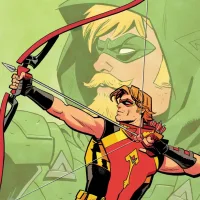
He moved the medium toward photorealism and dynamic anatomy in the 1970s, modernizing the look of Batman and Green Arrow.
Alex Ross
7
His painted, hyper-realistic style redefined superheroes as modern-day icons and brought a sense of awe to Kingdom Come.
Bill Sienkiewicz
8
He broke all the rules by blending fine art, collage, and expressionism into mainstream titles like New Mutants and Elektra: Assassin.
George Pérez
9
Renowned for his ability to draw complex group shots and intricate detail, he set the gold standard for "event" comics like Crisis on Infinite Earths.
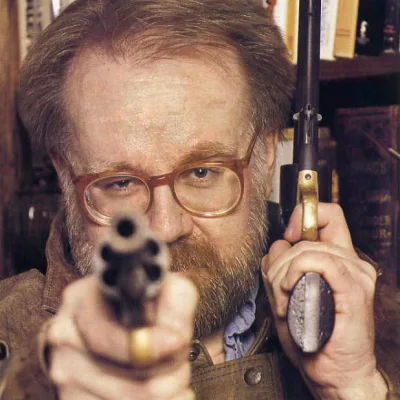
John Byrne
10
His clean, powerful storytelling and character redesigns defined the visual "house style" of the 1980s for both Marvel and DC.
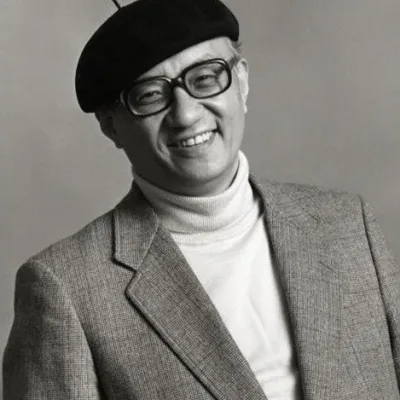
Osamu Tezuka
11
The "God of Manga" introduced cinematic techniques—such as pans and close-ups—that became the foundation of Japanese visual storytelling.
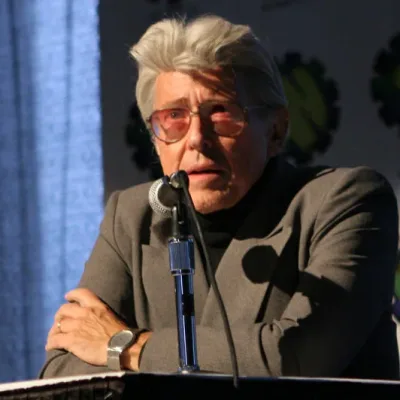
Jim Steranko
12
He infused comics with op-art, pop-culture surrealism, and innovative graphic design during his brief but legendary run on Nick Fury, Agent of S.H.I.E.L.D.
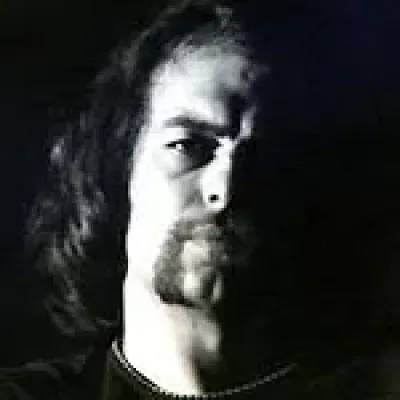
Barry Windsor-Smith
13
His ornate, pre-Raphaelite influenced style brought a unique level of sophistication and texture to Conan the Barbarian and Weapon X.
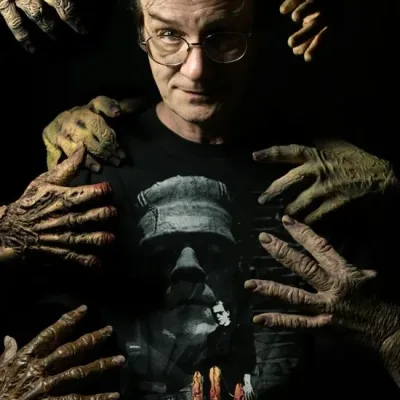
Bernie Wrightson
14
The undisputed master of horror, his intricate pen-and-ink work on Swamp Thing and Frankenstein remains the pinnacle of macabre art.
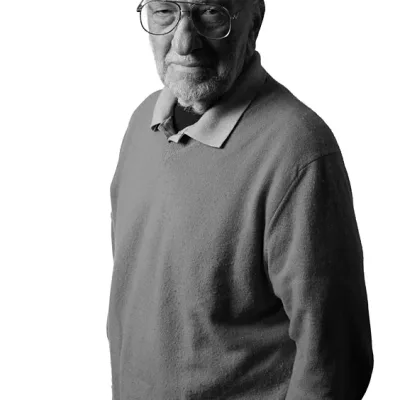
Joe Kubert
15
Known for his gritty, energetic line, he defined the look of the war genre and founded the premier school for comic book artists.
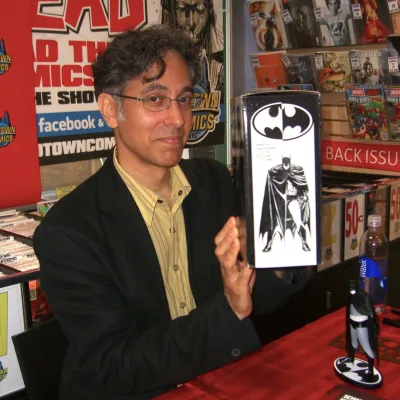
David Mazzucchelli
16
He transitioned from a perfect superhero style in Born Again to a minimalist, expressive masterpiece in Batman: Year One and Asterios Polyp.
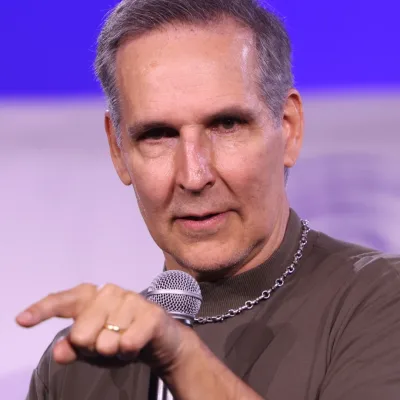
Todd McFarlane
Artist
17
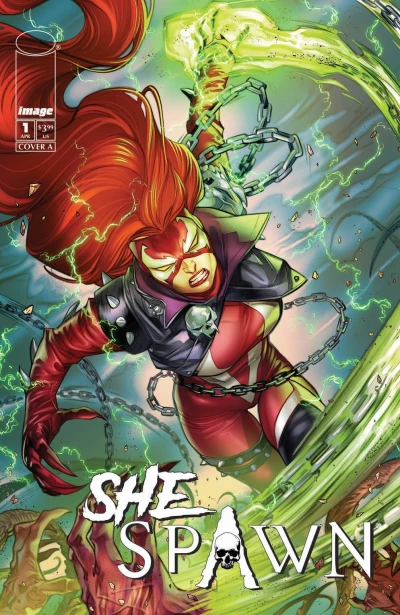
His "spaghetti webbing" and exaggerated, kinetic anatomy on Spider-Man and Spawn sparked the visual revolution of the 1990s.

Jim Lee
Artist
18
His highly detailed, cross-hatched style became the most imitated look in the industry following his record-breaking work on X-Men.
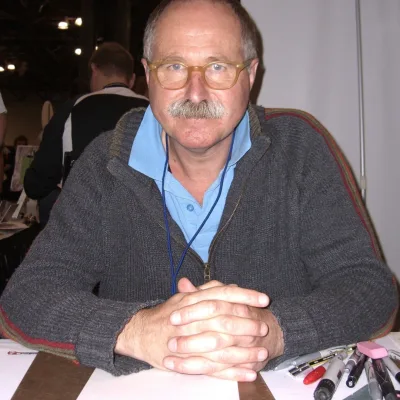
Brian Bolland
19
A master of the "clear line" and hyper-detail, his definitive work on The Killing Joke set a new standard for psychological realism.

Dave Gibbons
20
His precise, grid-based storytelling in Watchmen proved that formalist structure could be as impactful as flashy action.

Mike Mignola
21
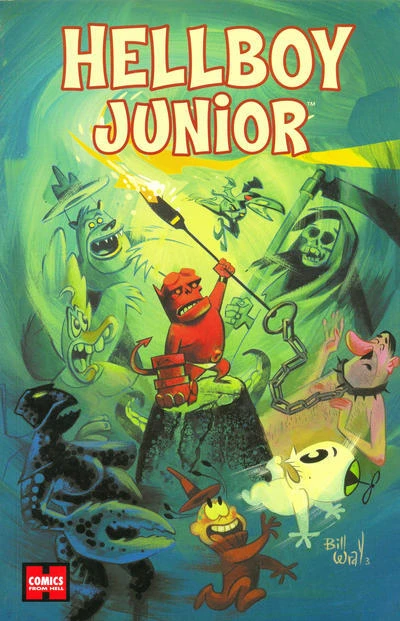
He utilized heavy shadows and simplified geometric shapes to create the unique "folk-horror" atmosphere of Hellboy.
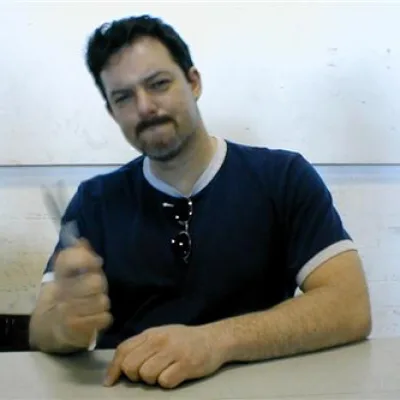
Chris Bachalo
22
His quirky, stylized, and incredibly busy layouts brought a fresh, subversive energy to Generation X and X-Men.

J.H. Williams III
23
He is the modern master of the double-page spread, using intricate, thematic borders to push the boundaries of page design in Batwoman.
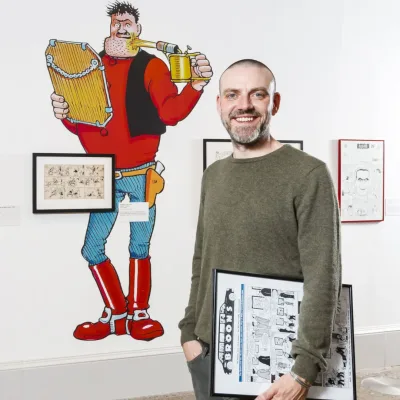
Frank Quitely
24
Known for his unique sense of weight and 3D space, his collaborations with Grant Morrison redefined the "widescreen" comic look.
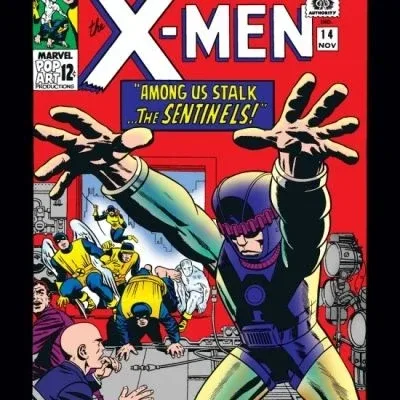
Wally Wood
25
A titan of the EC Comics era, his masterful lighting and "22 Panels That Always Work" became a textbook for generations of artists.

Gil Kane
26
His focus on soaring, balletic anatomy and dynamic perspective shots made him one of the most prolific and influential artists of the Silver Age.
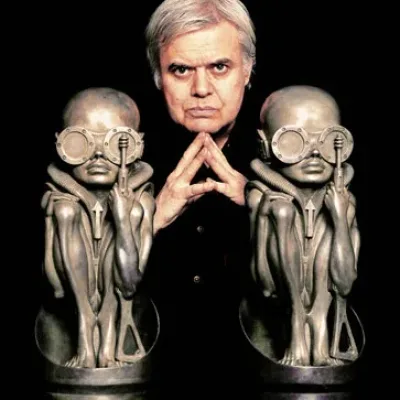
H.R. Giger
27
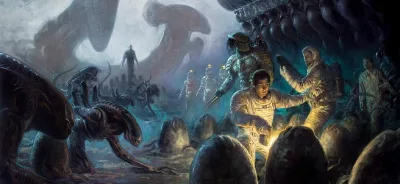
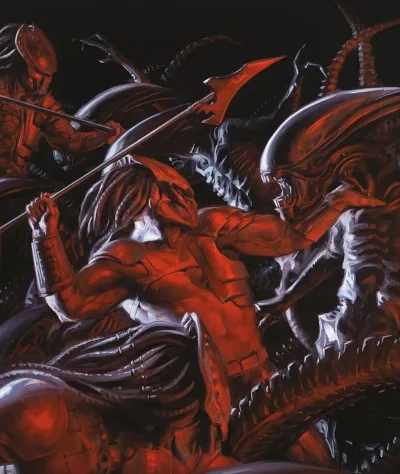
While primarily a fine artist, his "biomechanical" style deeply infected the aesthetic of sci-fi and horror comics globally.
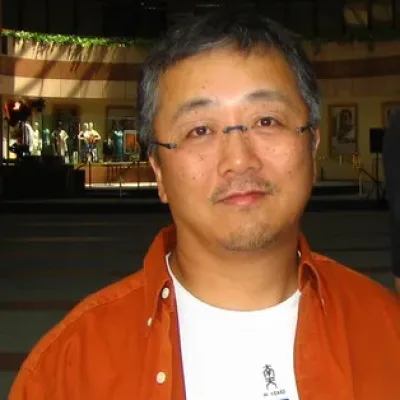
Katsuhiro Otomo
28
His work on Akira introduced a level of mechanical detail and urban destruction that changed how sci-fi is drawn worldwide.

Jean-Claude Mézières
29
As the artist of Valérian and Laureline, his imaginative creature and starship designs laid the groundwork for modern space opera.
Sergio Aragonés
30
The fastest cartoonist in the world, his "marginal" gags in MAD and fluid storytelling in Groo defined comedic comic art.
John Romita Sr.
31
He transitioned Spider-Man from Ditko's creepiness to a handsome, "romance comic" influenced style that became the character's iconic look.

Gene Colan
32
Known for "painting with pencils," his atmospheric use of shadows and unconventional angles made Tomb of Dracula a masterpiece.

Marie Severin
33
A versatile powerhouse at Marvel, she was a master of both superhero action and some of the best caricature work in the business.
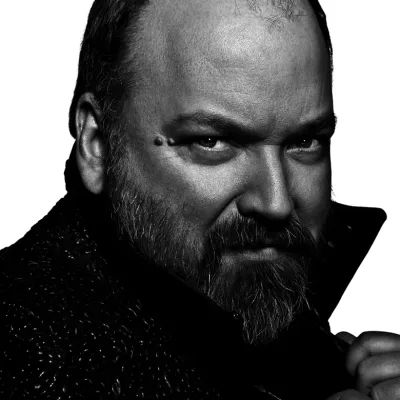
Dave McKean
34
His mixed-media covers for The Sandman pushed the medium toward avant-garde, digital, and abstract expressionism.
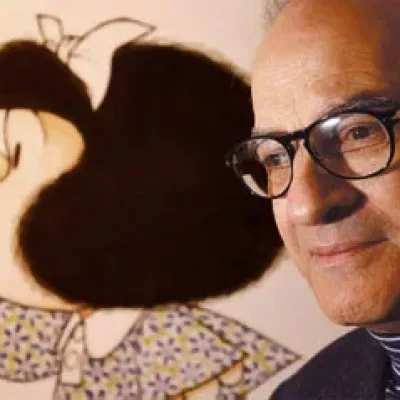
Quino
35
Through Mafalda, he used a simple but profoundly expressive style to deliver sharp social and political commentary.

P. Craig Russell
36
He brought the elegance of Art Nouveau to comics, specializing in beautiful, lyrical adaptations of high art and myth.
Eduardo Risso
37
His masterful use of negative space and silhouettes in 100 Bullets redefined the look of modern noir.

Tim Sale
38
His use of bold colors and exaggerated, iconic silhouettes created a "storybook noir" feel that defined Batman: The Long Halloween.

Olivier Coipel
39
He brought a thick, tactile, and regal feel to Thor and House of M, blending European sensibilities with American superheroics.

Esad Ribic
40
His painterly, grand-scale aesthetic turned titles like Thor: God of Thunder into epic, mythological tapestries.
Fiona Staples
41
Her innovative use of digital painting and expressive character designs in Saga set a new visual standard for 21st-century indie comics.
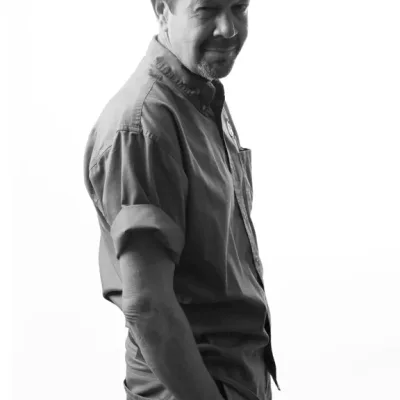
Darwyn Cooke
42
He revitalized the "retro-cool" aesthetic, blending Golden Age simplicity with modern cinematic storytelling in The New Frontier.
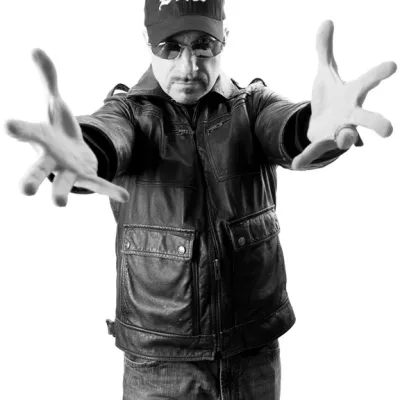
Greg Capullo
43
Transitioning from a toy-inspired 90s style to the definitive modern Batman artist, he mastered the balance of horror and action.
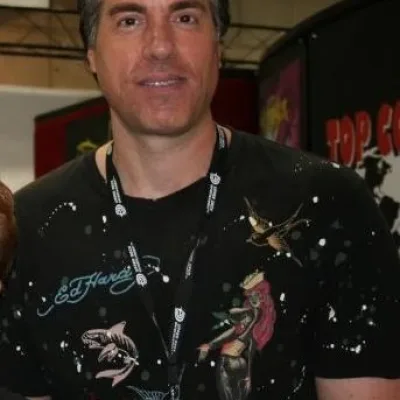
Marc Silvestri
44
A core Image Comics founder whose scratchy, energetic style defined the "Top Cow" look and the 90s X-Men era.

Kevin Maguire
45
He revolutionized the "acting" of comic characters, using incredible facial expressions to drive the humor in Justice League International.
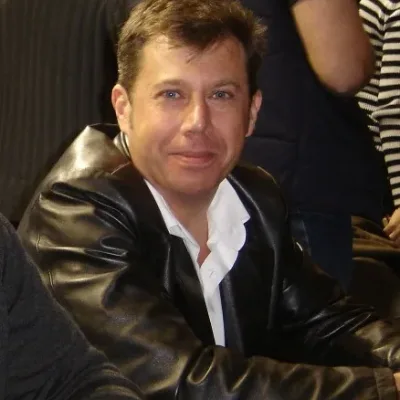
Carlos Pacheco
46
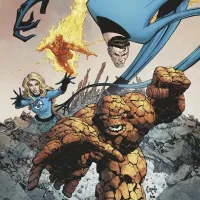
A pioneer of the "Spanish Invasion," his clean, heroic style brought a classic yet updated feel to the Avengers and Fantastic Four.
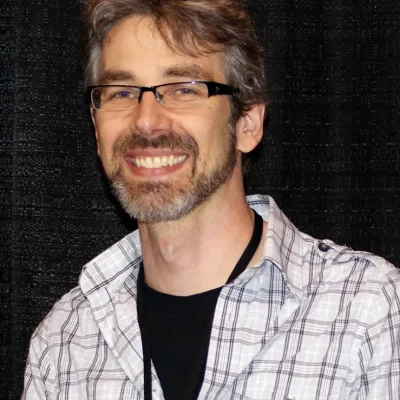
Stuart Immonen
47
One of the most versatile artists in the medium, he can switch from hyper-realism to "clear line" cartooning with flawless execution.
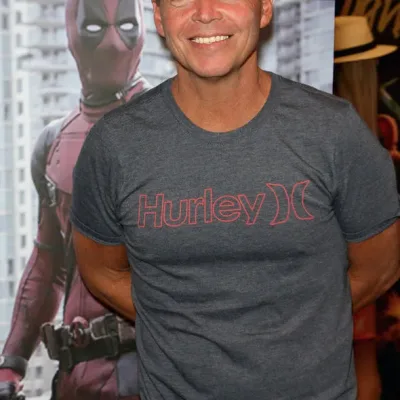
Rob Liefeld
48
Despite being polarizing, his extreme proportions and "pouches" aesthetic defined the visual identity of the 1990s comic boom.

Takehiko Inoue
49
His breathtaking evolution from standard manga to the brush-work realism of Vagabond represents the pinnacle of draftsmanship.
Comments
0 CommentsSign in to join the discussion
Sign In to CommentNo comments yet. Be the first to share your thoughts!