 dangioffre
50 Creators
Jan 13, 2026
dangioffre
50 Creators
Jan 13, 2026
Staff
Ranked
The Most Influential Comic Book Writers Ever
Writers who shaped the comic book medium and whose work continues to influence storytelling today. These creators pushed boundaries, redefined genres, and left an indelible mark on how we tell stories in comics.
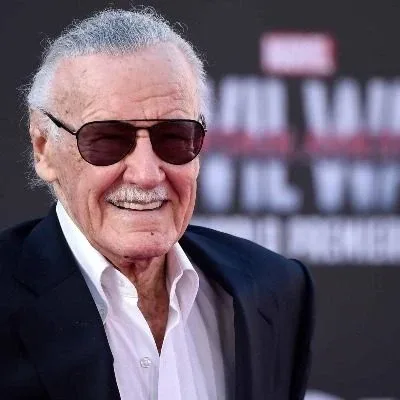
Stan Lee
Writer
1
As the primary architect of the Marvel Universe, he infused superheroes with human fallibility and interconnected continuity that redefined the industry.
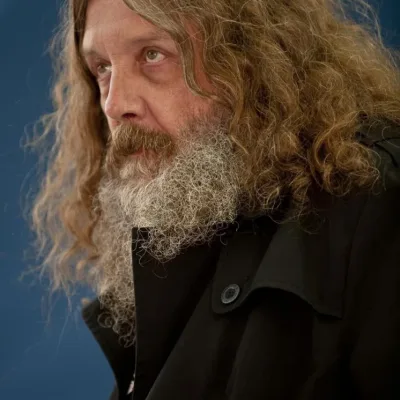
Alan Moore
Writer
2
He deconstructed the superhero mythos with Watchmen and Miracleman, introducing a level of literary sophistication and realism that changed the medium forever.
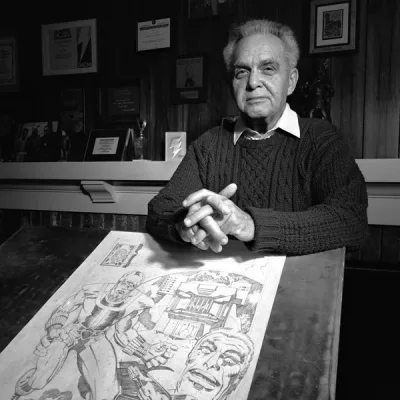
Jack Kirby
Artist
3
Known as The King, his dynamic visual storytelling and boundless imagination birthed the foundations of the Marvel and DC cosmic landscapes.
Will Eisner
4
A pioneer of the graphic novel, he championed sequential art as a legitimate literary form and revolutionized page layout and atmosphere.
Frank Miller
Writer
5
He revitalized gritty noir storytelling in the mainstream through his transformative work on Daredevil and Batman: The Dark Knight Returns.
Neil Gaiman
Writer
6
With The Sandman, he expanded the boundaries of comic book narratives into the realms of dark fantasy, mythology, and high literature.
Chris Claremont
7
His seventeen year run on Uncanny X-Men turned a struggling title into a character-driven soap opera that became the blueprint for modern team books.
Grant Morrison
8
They pushed the medium's metaphysical boundaries by blending occultism, counter-culture, and silver age whimsy into complex, non-linear narratives.
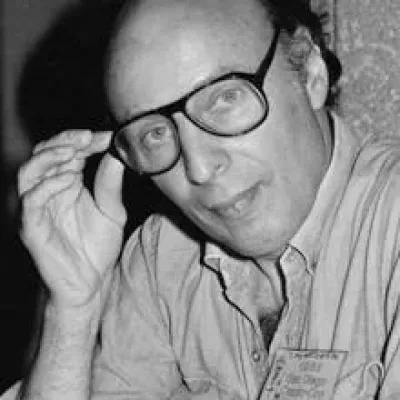
Harvey Kurtzman
9
As the founding editor of MAD, he pioneered a style of satire and visual humor that influenced generations of cartoonists and comedy writers.
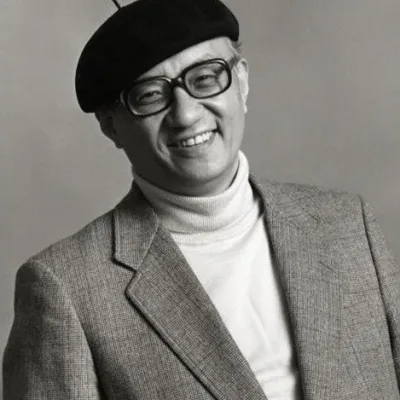
Osamu Tezuka
10
Often called the God of Manga, his "cinematic" style of paneling established the visual language for the entire Japanese comic industry.
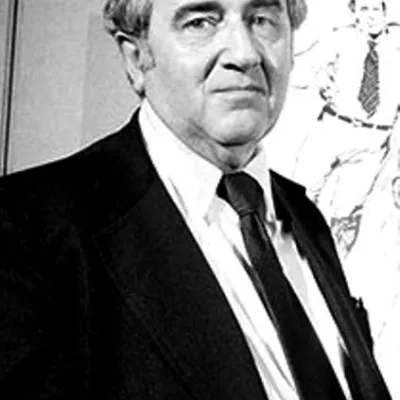
Jerry Siegel
11
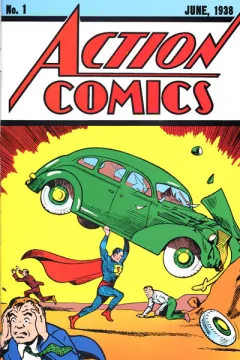
By co-creating Superman, he established the fundamental tropes and moral compass of the superhero genre.
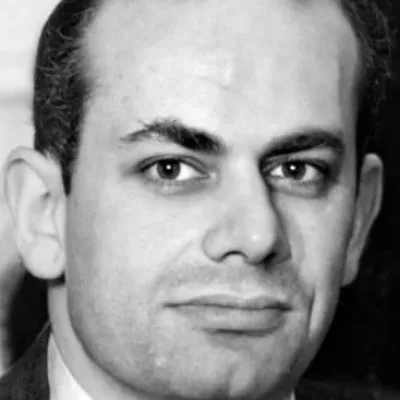
Bill Finger
12
The uncredited architect of the Batman mythos, he provided the detective elements and iconic villains that defined the Dark Knight's world.
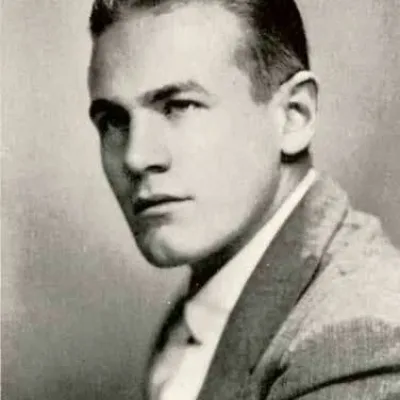
Gardner Fox
13
He introduced the concept of the Multiverse and the first superhero team, the Justice Society, creating the framework for modern comic crossovers.
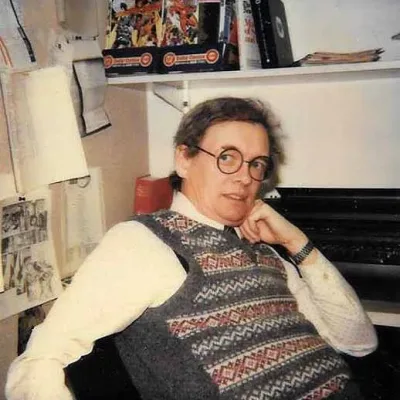
Dennis O'Neil
14
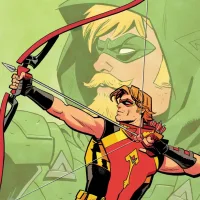
He brought social relevance and grounded maturity to comics in the 1970s, most notably through Green Lantern/Green Arrow.
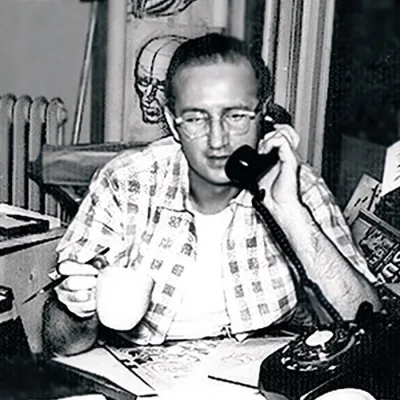
Steve Ditko
15
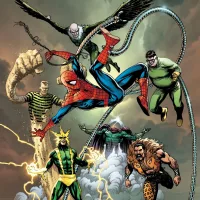
His idiosyncratic style and focus on the "everyman" hero made Spider-Man relatable and introduced surreal, psychedelic dimensions to Doctor Strange.

Robert Kirkman
16
He proved that creator-owned series could achieve massive mainstream success through the long-form survival horror of The Walking Dead.
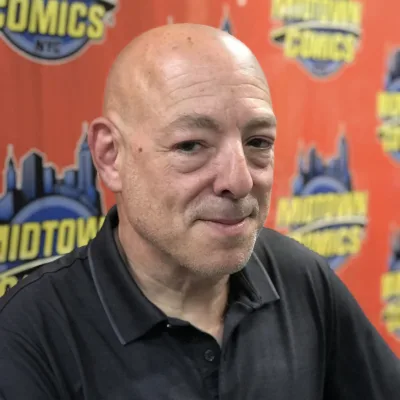
Brian Michael Bendis
17
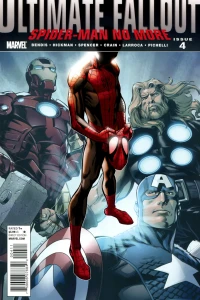
He modernized comic dialogue with his naturalistic "decompressed" style and reshaped the Marvel Universe for the 21st century.
Jean Giraud
18
His surreal, highly detailed sci-fi landscapes influenced the visual language of both Western comics and global cinema.
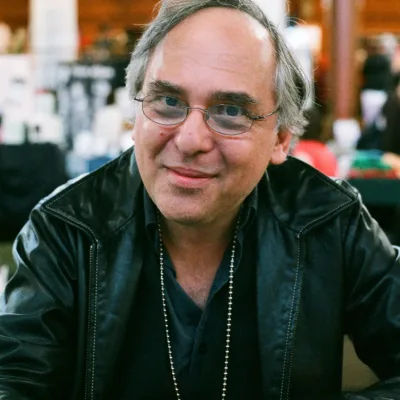
Art Spiegelman
19
Through Maus, he demonstrated that comics could tackle the most profound and painful historical tragedies with unparalleled emotional weight.
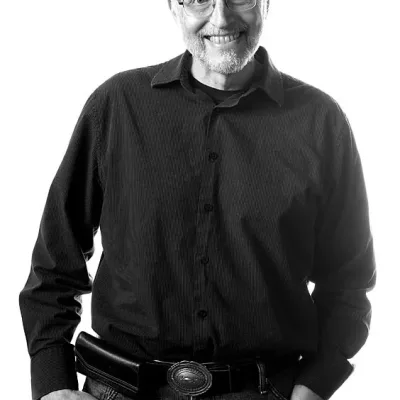
Marv Wolfman
20
He redefined the teen hero dynamic with New Teen Titans and streamlined decades of DC history in Crisis on Infinite Earths.
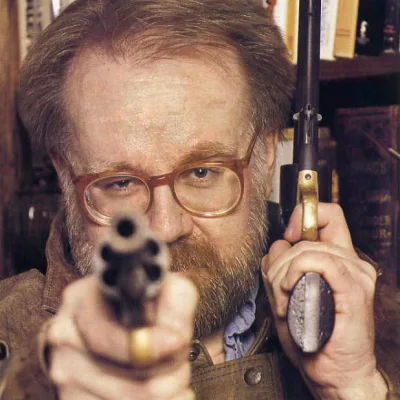
John Byrne
21
He modernized the origins of Superman and Fantastic Four, setting the standard for the "superstar creator" era of the 1980s.

Geoff Johns
22
He is a master of "reclaiming" characters, revitalizing Green Lantern and Flash by deepening their mythos and expanding their supporting casts.
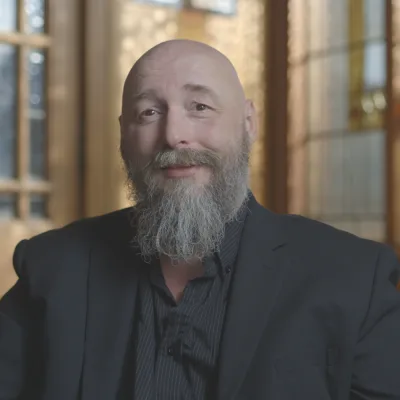
Warren Ellis
23
He brought a cynical, technological, and transhumanist edge to the medium with works like Transmetropolitan and The Authority.
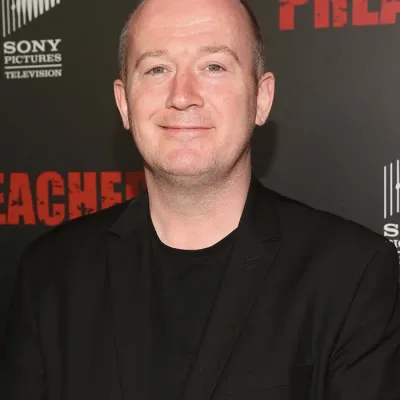
Garth Ennis
24
Known for his unflinching violence and dark humor, he stripped the superhero genre of its glamor while redefining the war comic.
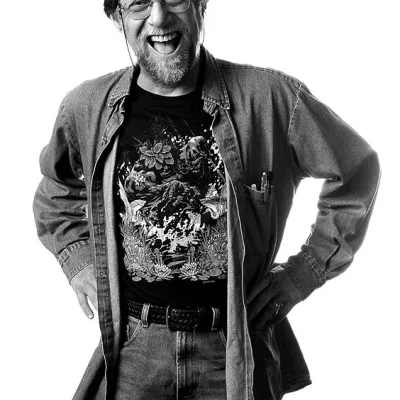
Len Wein
25
He co-created Wolverine and Swamp Thing and was instrumental in the "All-New, All-Different" relaunch of the X-Men.
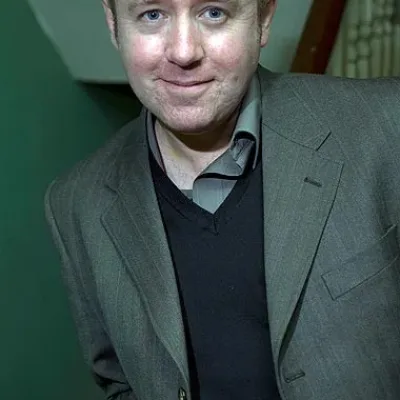
Mark Millar
26
His cinematic, high-concept approach in The Ultimates and Civil War heavily influenced the tone of the modern Marvel Cinematic Universe.
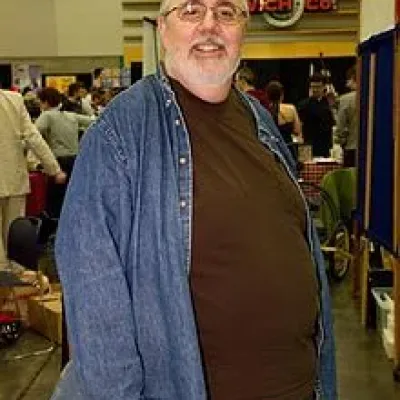
Kurt Busiek
27
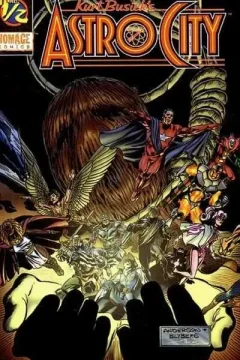
Through Marvels and Astro City, he explored the superhero genre from the perspective of the ordinary person living in a world of wonders.
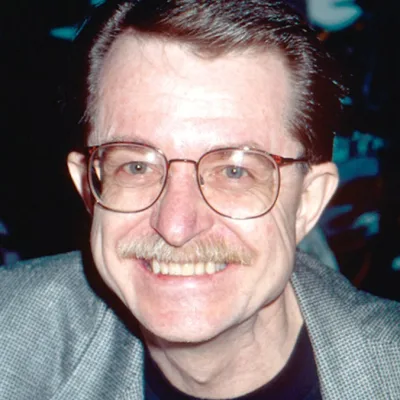
Archie Goodwin
28
A master of the short story and the editor's craft, he maintained high storytelling standards across genres from horror to Star Wars.
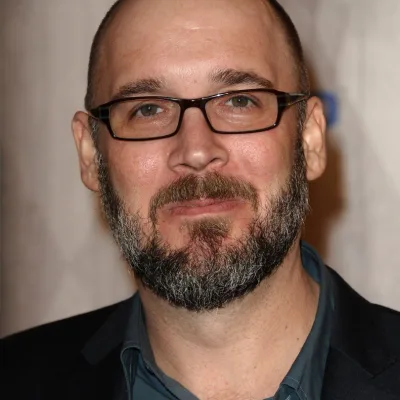
Ed Brubaker
29
He revolutionized the superhero-spy thriller and became the modern voice of gritty, creator-owned crime noir.

Jim Starlin
30
He elevated the cosmic genre by introducing existential themes and the definitive villain Thanos.
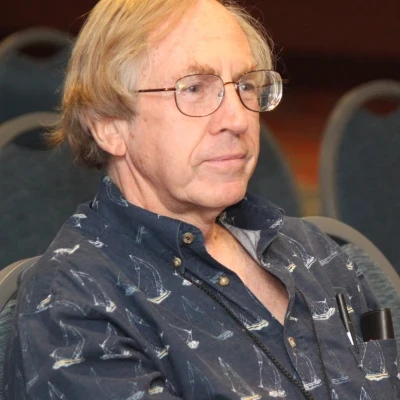
Roy Thomas
31
As Stan Lee's successor, he championed the preservation of Golden Age history and successfully brought pulp icons like Conan to comics.

Walter Simonson
32
His run on Thor is the definitive example of how to blend epic mythology with superhero action and innovative typography.

Louise Jones Simonson
33
She played a vital role in expanding the X-Men and Superman families, creating enduring characters like Apocalypse and Steel.
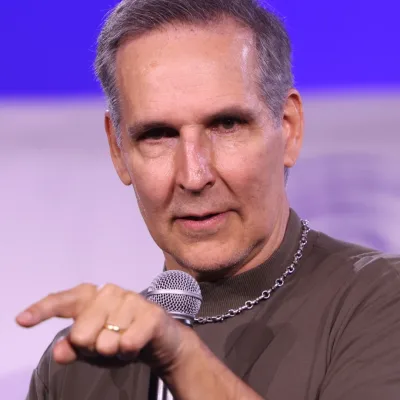
Todd McFarlane
Artist
34
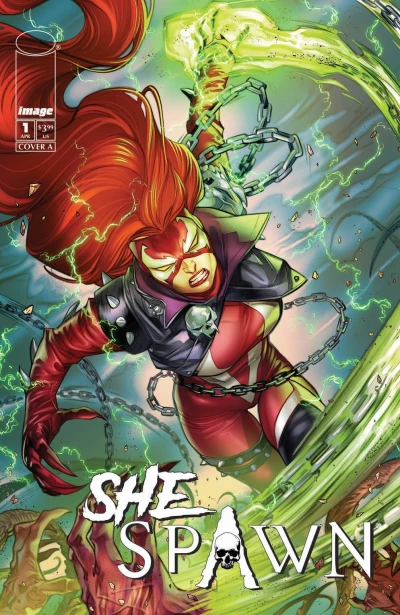
While primarily an artist, his writing on Spawn helped launch the Image Comics revolution and the era of creator-owned independence.
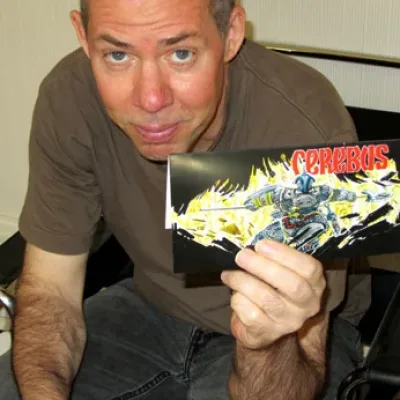
Dave Sim
35
Although controversial, his work on Cerebus the Aardvark pushed the limits of what a single creator could achieve in a long-form self-published series.

Jamie Delano
36
He established the cynical, working-class occult tone of John Constantine in Hellblazer, paving the way for the Vertigo imprint.
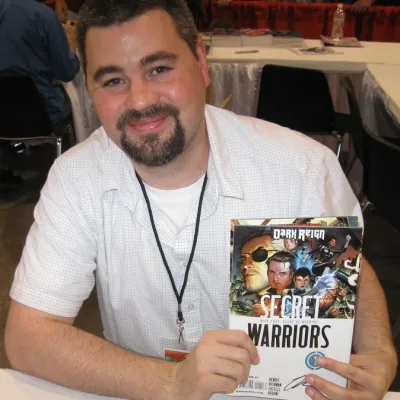
Jonathan Hickman
37
He is known for "high-concept" architecture, using infographics and long-term planning to reinvent the Avengers and the X-Men.
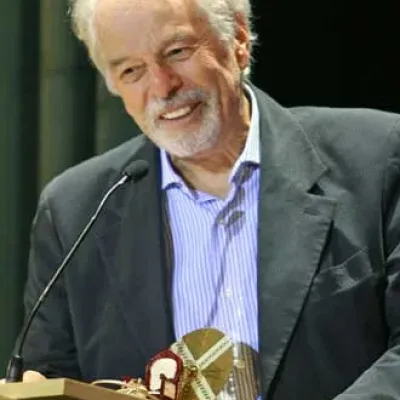
Alejandro Jodorowsky
38
His work in The Incal pushed European comics into a realm of spiritual, psychedelic sci-fi that remains visually and narratively unmatched.

P. Craig Russell
39
He brought a fine-art sensibility to the medium, specializing in adapting operas and fairy tales into exquisite sequential layouts.

Kelly Sue DeConnick
40
She reimagined Carol Danvers as Captain Marvel, sparking a massive cultural shift and a new generation of diverse comic fans.
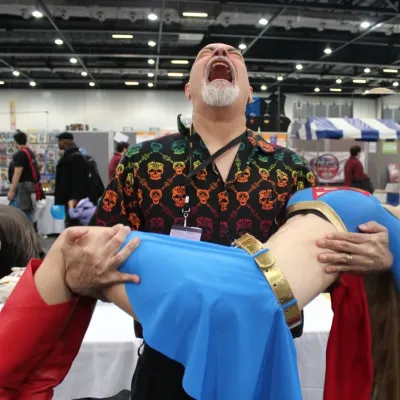
George Pérez
41
Though a legendary artist, his plotting on Wonder Woman and New Teen Titans defined the "event comic" scale for decades.

Mike Mignola
42
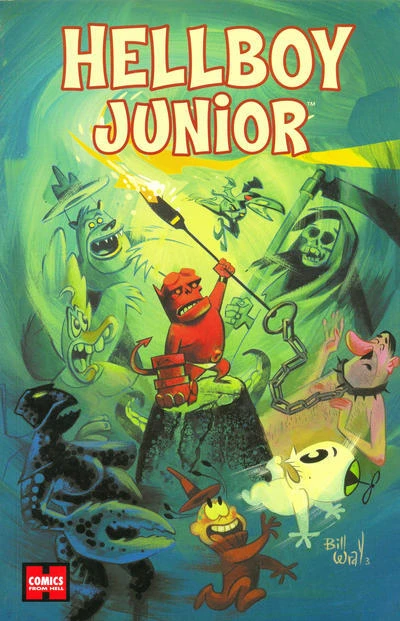
Through Hellboy, he created a unique gothic-folklore aesthetic that prioritizes atmosphere and visual pacing over traditional dialogue.
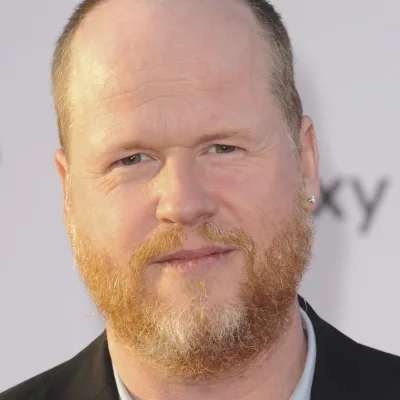
Joss Whedon
43
He brought a sharp, ensemble-driven television pacing to comics with Astonishing X-Men, influencing how modern team books are scripted.

Gail Simone
Writer
44
She broke new ground for female representation in the industry and redefined the Birds of Prey and Secret Six with razor-sharp wit.
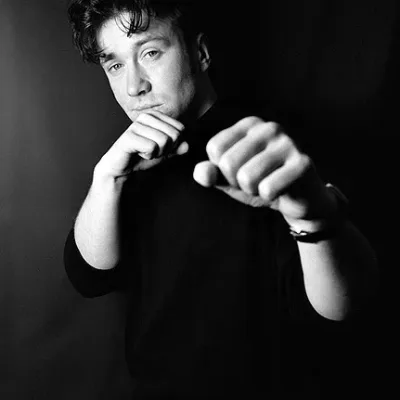
Peter Milligan
45
A key figure in the "British Invasion," he brought surrealism and social satire to mainstream titles like X-Force/X-Statix.

Roger Stern
46
He is celebrated for his "meat and potatoes" storytelling, providing definitive runs on Spider-Man and the Avengers that prioritized character consistency.
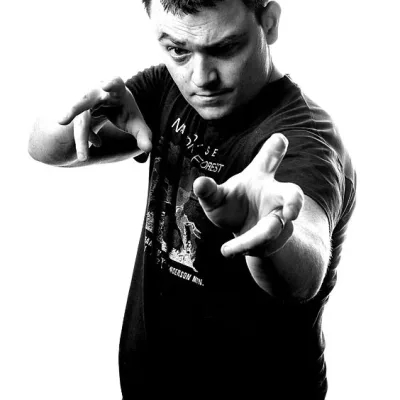
Scott Snyder
47
He redefined Batman for the New 52 era by introducing deep, ancestral horror and ambitious, sprawling storylines.
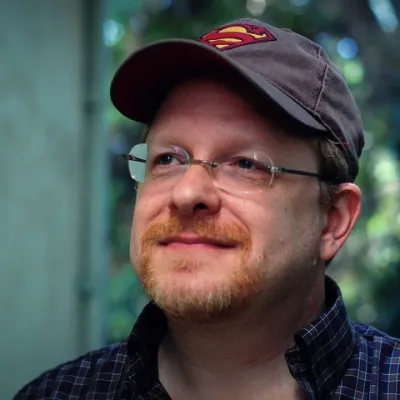
Mark Waid
48
He is a guardian of superhero legacy, writing definitive takes on the Flash and Captain America while deconstructing the genre in Kingdom Come.
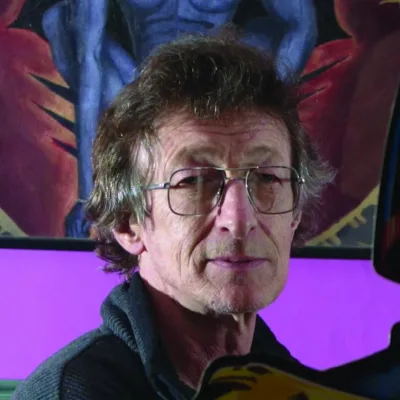
Alan Grant
49
His work on Batman in the 90s introduced a quirky, dark, and satirical edge to Gotham City through a host of bizarre new villains.
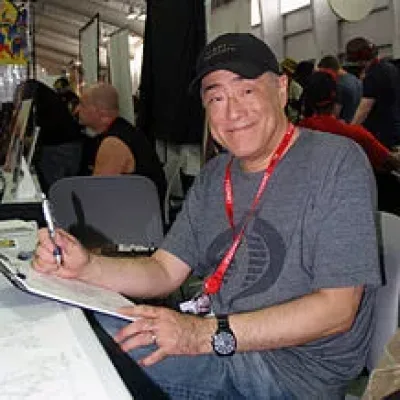
Larry Hama
50
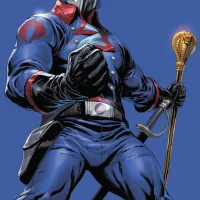
Through G.I. Joe, he proved that licensed comics could have deep characterization, complex military politics, and enduring emotional stakes.
Comments
0 CommentsSign in to join the discussion
Sign In to CommentNo comments yet. Be the first to share your thoughts!