What Is a Comic Book?
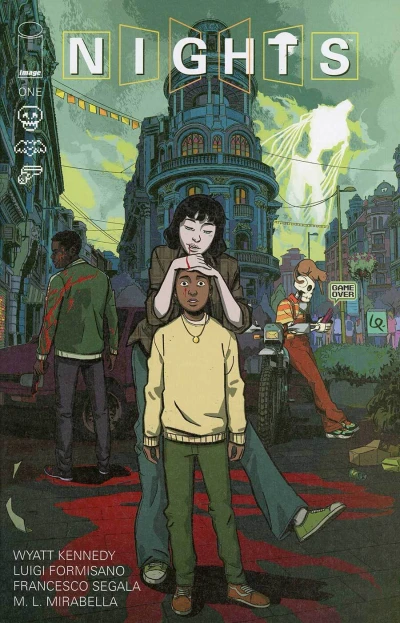
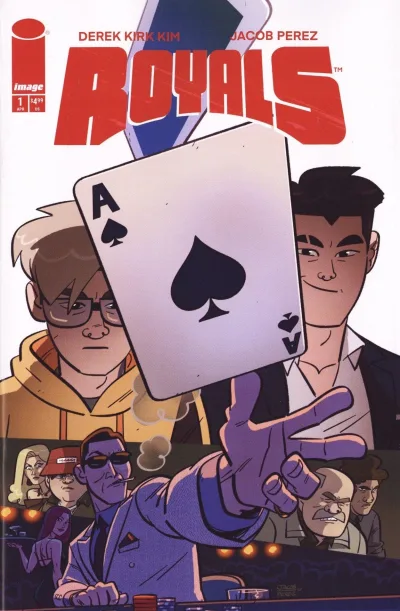
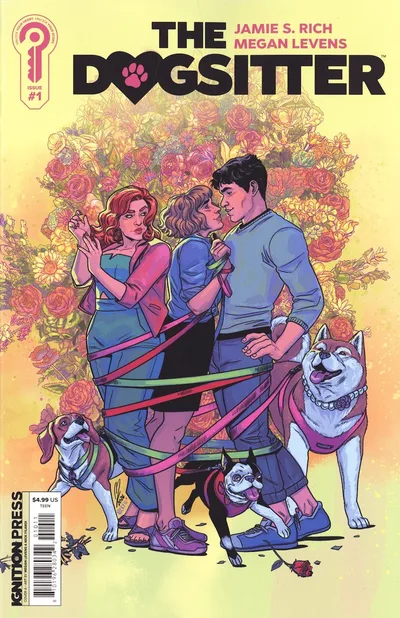
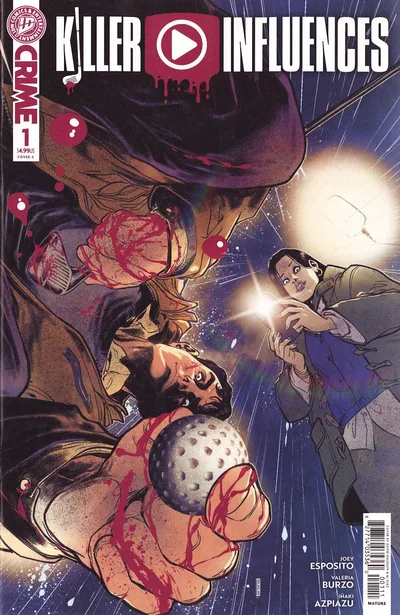
A comic book is a serialized visual storytelling medium that combines sequential art with dialogue and narrative text. Traditionally printed in single-issue format, comics are often released monthly and tell stories across multiple installments. While the term "comic book" can refer broadly to the entire medium, it most commonly describes the staple-bound periodical format sold in comic shops and on newsstands.
The foundation of every comic book is sequential art, the arrangement of drawn panels in a deliberate order to convey a narrative. Each panel represents a moment in time, and the reader's eye moves from one panel to the next, filling in the gaps between them. This act of mental completion between panels is called closure, and it is what makes comics a uniquely participatory storytelling form. Panel layouts range from simple grids to complex, overlapping arrangements that control pacing, emphasis, and emotional impact.
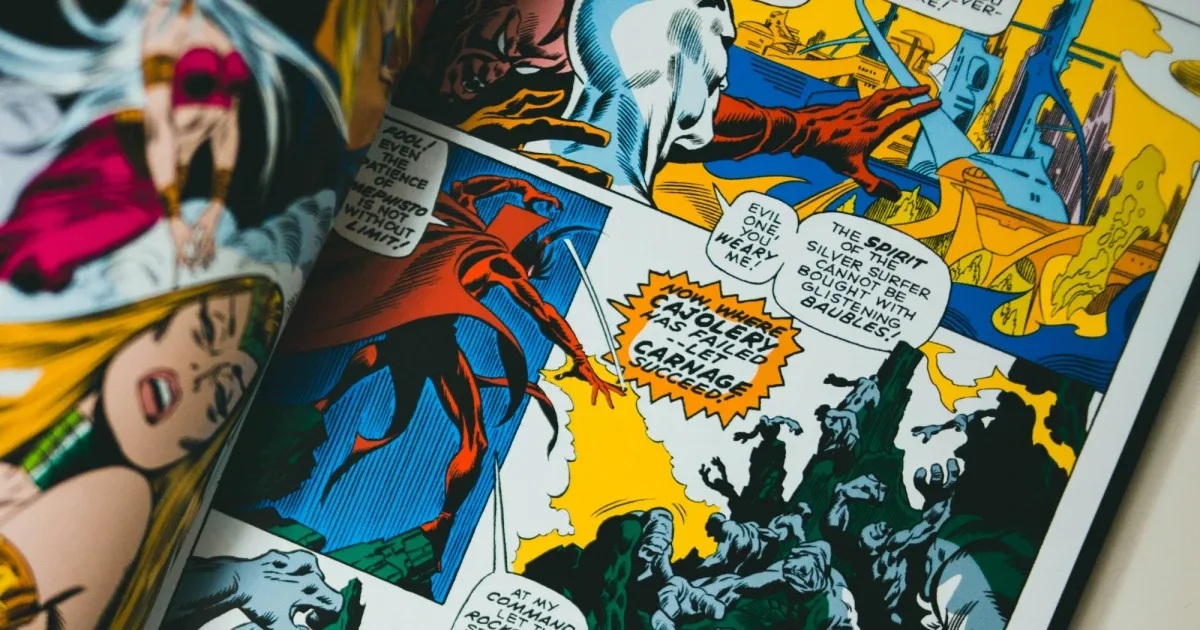
Within those panels, several visual and textual elements work together to deliver the story:
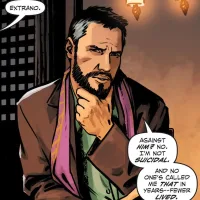
- Word balloons (also called speech bubbles) contain character dialogue and are pointed toward the speaker
- Thought bubbles represent internal monologue, though modern comics have largely replaced them with caption boxes
- Caption boxes provide narration, internal thoughts, or scene-setting text placed in rectangular boxes
- Sound effects are stylized lettering integrated directly into the artwork to represent noise and action
- Gutters are the spaces between panels that create rhythm and pacing in the visual flow
These elements are not merely decorative. A skilled creative team uses balloon placement, caption rhythm, and sound effect design to guide the reader's attention and set the tone of every page.
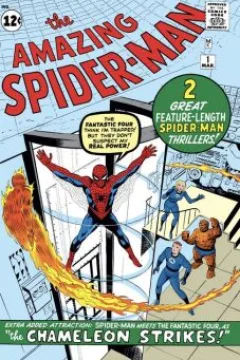
Comic book stories fall into two broad structural categories. Ongoing series are open-ended, publishing new issues on a regular schedule with no predetermined endpoint. A title like The Amazing Spider-Man has run for decades, cycling through creative teams and story arcs while maintaining a continuous publication history. Self-contained stories, by contrast, have a defined beginning and ending. These include one-shots, limited series, and original graphic novels that tell a complete narrative without requiring the reader to follow future installments.
Many ongoing series are structured around story arcs, sequences of issues (typically 4 to 8) that form a complete narrative chapter within the larger run. This approach allows ongoing titles to provide satisfying conclusions at regular intervals while still building toward longer plots. It also makes it easier for publishers to collect arcs into trade paperbacks after serialization.
While the term "comic book" is often associated with the American format, sequential art storytelling exists across multiple traditions with distinct publishing conventions:
- American comics are typically serialized as monthly single issues (around 20 to 32 pages each), then collected into trade paperbacks and hardcovers. Stories are often set in shared universes where characters cross over between titles.
- Manga (Japanese comics) are serialized in large anthology magazines before being collected into digest-sized volumes called tankobon. Manga is read right-to-left and tends toward longer, creator-driven narratives that run for dozens or even hundreds of volumes.
- European albums (particularly Franco-Belgian bande dessinée) are published as oversized hardcover volumes of 48 to 64 pages, often released annually. Series like Tintin and Astérix follow this format, which prioritizes self-contained volumes over monthly serialization.
- Manhwa (Korean comics) and manhua (Chinese comics) follow their own conventions, with manhwa increasingly published as vertical-scrolling digital strips (webtoons) and manhua drawing from both Japanese and European influences.
Despite these differences in format, page count, reading direction, and release schedule, all of these traditions share the same core principle: using sequential images and text in combination to tell stories. The term "comic book" in its broadest sense encompasses all of them, though collectors and databases typically classify each tradition by its specific medium type.
Are Graphic Novels the Same as Comics?
A graphic novel is a long-form comic book published as a self-contained volume rather than as a serialized periodical. The term describes a format and a publishing approach, not a genre. A graphic novel can be a superhero story, a memoir, a crime thriller, or literary fiction. What distinguishes it from a standard comic book is its length, binding, and presentation as a complete work in a single volume.
The term "graphic novel" is often used loosely, and its meaning shifts depending on the context. In practice, most works sold as graphic novels fall into one of two categories:
- Collected editions gather previously serialized single issues into one bound volume. A six-issue story arc of Saga published monthly as individual comics is later reprinted as a trade paperback or hardcover. The story is the same, but the format has changed. Most graphic novels on bookstore shelves are collected editions of serialized material.
- Original graphic novels (OGNs) are written and published as a single complete work from the start, with no prior serialization. Books like Blankets by Craig Thompson, Fun Home by Alison Bechdel, and Maus by Art Spiegelman were created as standalone long-form narratives. These are graphic novels in the strictest sense of the term.

The distinction matters because the term "graphic novel" carries different weight in different retail environments. Bookstores and libraries use the label broadly, applying it to nearly any bound comic regardless of whether it was originally serialized. This is partly a marketing choice: "graphic novel" sounds more literary and sits more comfortably on a bookshelf next to prose fiction. Comic shops, by contrast, tend to be more specific. A collected trade paperback is a trade paperback. An omnibus is an omnibus. The term "graphic novel" in a comic shop usually refers to an original long-form work or a specific publication type, not a catch-all for anything with a spine.
Databases and cataloging systems reflect this specificity. VerseDB, for example, classifies series by publication type, distinguishing between Regular Series, Limited Series, One-Shot, Graphic Novel, Graphic Novel Series, and Collected Edition as separate categories. A collected trade paperback of Batman is cataloged differently from an original graphic novel like Batman: The Long Halloween published in prestige format. Similarly, when users add items to their collection on VerseDB, they select from format options including Single Issue, Trade Paperback, Hardcover, Omnibus, Deluxe Edition, and Graphic Novel, among others. These distinctions help collectors track exactly what they own and in what format.
Understanding the difference between an original graphic novel and a collected edition is useful when buying, selling, or cataloging comics. Both are valid ways to read the same stories, but they are not the same product, and their value, availability, and collectibility can differ significantly.
Are Comic Books Only About Superheroes?
No. While superheroes dominate the public perception of comic books, the medium encompasses virtually every genre found in prose fiction, film, and television. Comics are a storytelling format, not a genre, and the range of stories told through sequential art is far broader than capes and cowls.
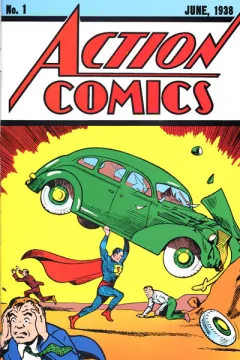
The association between comic books and superheroes has historical roots. When Superman debuted in Action Comics #1 in 1938, the superhero genre exploded in popularity and came to define the American comic book industry for decades. Marvel and DC, the two largest American publishers, built their businesses almost entirely around superhero properties. Because these publishers dominated distribution and retail shelf space, the genre became synonymous with the medium itself in the minds of many casual observers.
But superheroes have never been the only game in comics. Even during the Golden and Silver Ages, publishers produced a wide variety of genre material:
- Horror comics like Tales from the Crypt and The Vault of Horror from EC Comics were enormously popular in the early 1950s before the Comics Code Authority curtailed the genre. Modern horror comics from publishers like Image, BOOM! Studios, and Dark Horse have revived the tradition with series like Something is Killing the Children and Ice Cream Man.
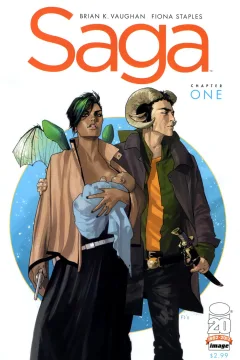
- Science fiction has been a comic book staple from the earliest days of the medium. Series like Saga, East of West, and Black Science blend speculative worldbuilding with character-driven storytelling in ways that rival prose sci-fi.
- Crime and noir comics have a deep history, from the pre-Code crime books of the 1940s to modern series like Criminal by Ed Brubaker and Sean Phillips and 100 Bullets by Brian Azzarello and Eduardo Risso.
- Romance was one of the best-selling comic book genres in the 1950s and 1960s, outselling superheroes at several points. While the traditional romance comic faded, the genre persists in indie comics and is a cornerstone of manga.
- Slice of life and literary comics have grown steadily, with works like Ghost World by Daniel Clowes, Love and Rockets by the Hernandez Brothers, and Berlin by Jason Lutes earning critical acclaim alongside commercial success.
- War, western, political, and historical comics each have dedicated readerships and long publishing histories, from Sgt. Rock and Jonah Hex to modern nonfiction comics like March by John Lewis and Nate Powell.
The rise of creator-owned publishing has accelerated genre diversity. Image Comics, founded in 1992, operates on a model where creators retain ownership of their work, which has attracted writers and artists eager to tell stories outside the superhero framework. The result is a catalog spanning horror, sci-fi, fantasy, crime, comedy, romance, and more. Other publishers like Dark Horse, BOOM! Studios, Oni Press, Fantagraphics, and Drawn & Quarterly publish across an equally broad spectrum.
International traditions further expand the range. Manga encompasses every conceivable genre, from sports (Slam Dunk) to cooking (Oishinbo) to psychological thriller (Monster). European bande dessinee includes adventure (Tintin), political satire (Asterix), and literary drama (Persepolis). Korean manhwa and webtoons span romance, fantasy, action, and horror.
When browsing a database like VerseDB, this diversity is visible in the platform's genre classifications, which include Superhero, Horror, Sci-Fi, Fantasy, Crime, Mystery, Comedy, Drama, Romance, War, Western, Slice of Life, Noir, Historical, and many others. Users can filter and browse by genre, publisher, or medium type (comic, manga, manhwa, manhua, bande dessinee), making it straightforward to discover stories far outside the superhero mainstream.
The short answer: comic books are a medium, not a genre. Superheroes are one genre within that medium, and they share shelf space with thousands of titles covering every subject and tone imaginable.
Comic Book Formats Explained
Understanding comic book formats is one of the most important steps for new readers and collectors. Different formats affect price, collectibility, storage, reading experience, and even how stories are structured. If you have ever wondered why some comics are thin and stapled while others are massive hardcover books, the answer lies in format.
Below is a detailed breakdown of the most common comic book formats and publishing terms you will encounter.
What Is a Single Issue (Floppy)?
A single issue, often called a “floppy,” is the standard comic book format sold in comic shops. These are thin, staple-bound periodicals, typically 20 to 32 pages of story content, printed on glossy paper and released on a monthly or bi-monthly schedule. The nickname “floppy” comes from the physical flexibility of the stapled booklet, which bends easily compared to bound collected editions.
Single issues are the backbone of the comic book industry. Nearly every story is first published in this format before being collected into trade paperbacks or hardcovers later. When a new issue of The Amazing Spider-Man or Batman hits shelves on a Wednesday, it arrives as a single issue. Readers who follow monthly comics are reading in this format, experiencing the story one chapter at a time as the creative team produces it.
The cover price of a modern single issue varies by publisher and page count. Most standard-length comics from Marvel and DC are priced between $3.99 and $4.99 for 20 to 22 pages of story content. Some titles, particularly those with extra pages, backup stories, or prestige formatting, carry a $5.99 or higher cover price. Image Comics titles are often $3.99 for a standard issue. These prices have risen steadily over the decades, reflecting increases in production costs, paper quality, and the shift to direct market distribution where retailers cannot return unsold copies.
A typical single issue contains more than just the main story. Most include several pages of advertisements interspersed throughout the narrative, along with a letters column or editorial page in some titles, a recap or credits page, and sometimes a backup story or preview of another series. The ratio of ads to story content is a frequent point of discussion among readers, especially as cover prices increase. A $4.99 comic with only 20 pages of story and 10 pages of ads feels like a different value proposition than a $3.99 Image title with 22 ad-free story pages.
For collectors, single issues matter because they represent the first printing of a story. A first printing of a key issue, one containing a first appearance, a major death, or a significant creative debut, can appreciate in value on the secondary market. Ultimate Fallout #4, the first appearance of Miles Morales, originally sold for $3.99 in 2011 and now commands hundreds or thousands of dollars depending on condition and grade.
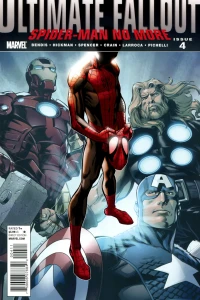
Not every first printing becomes valuable, but the possibility is part of what drives the single issue market. For readers who do not collect, single issues offer the most current way to follow a story as it unfolds, without waiting months for a collected edition.
What Is a Comic Book Annual?
A comic book annual is a special oversized issue released once per year for an ongoing series. Annuals are typically longer than standard single issues, often running 30 to 48 pages of story content, and they are numbered on a separate track from the main series. The Amazing Spider-Man Annual #1 is a different publication from The Amazing Spider-Man #1, even though both belong to the same title.
Annuals have a long history in comics, dating back to the 1960s when Marvel and DC began publishing them as summer specials. Early Marvel annuals under Stan Lee often reprinted material from the regular series, giving new readers a chance to catch up on key stories. Over time, annuals evolved into vehicles for original content, and some became historically significant in their own right. Avengers Annual #10 (1981), written by Chris Claremont with art by Michael Golden, introduced Rogue, who would go on to become one of the most prominent X-Men. New Mutants Annual #2 featured the first U.S. appearance of Psylocke. These are not minor footnotes. Annuals have introduced characters and stories that shaped entire franchises.
Modern annuals serve several purposes depending on the publisher and the creative team's plans:
- Standalone stories that explore a character, relationship, or theme outside the main series arc
- Crossover tie-ins that connect to a larger publisher-wide event running across multiple titles
- Backstory and world-building that fills in gaps or explores supporting characters who do not get enough page time in the monthly book
- Guest creative teams that bring a different writer or artist to the title for a single oversized issue
Because annuals are numbered independently from the main series, their numbering can confuse new readers. If you are reading Batman and see Batman Annual #3 on the shelf, that is not a replacement for or continuation of the regular Batman numbering. It is the third annual tied to the current volume of the series. Some publishers have moved away from sequential annual numbering entirely, labeling annuals by year instead, such as Batman Annual 2024 rather than Batman Annual #5. This avoids the confusion that arises when a series relaunches and the annual numbering resets.
Annuals are typically priced higher than standard issues, often in the $4.99 to $5.99 range, reflecting their increased page count. For collectors, they are part of the complete run of a title. Missing an annual will not create a gap in your main series numbering, but it may mean missing a story that connects to the ongoing plot or introduces a character who appears in later issues.
What Is a One-Shot Comic?
A one-shot is a single, self-contained comic book that tells a complete story in one issue and is not part of a numbered ongoing series. It may exist within a larger shared universe, but it does not continue into a second issue. The story begins and ends between the covers.
One-shots differ from the first issue of a limited or ongoing series in a fundamental way: there is no Issue #2. A new series launching with a #1 implies continuation. A one-shot is a closed narrative. Some one-shots are labeled with a #1 on the cover for cataloging purposes, which can cause confusion, but the publisher's solicitation and marketing will identify the project as a standalone release.
Publishers use one-shots for a variety of purposes:
- Character spotlights that give a supporting player or underused character their own story without committing to an ongoing series. DC frequently publishes one-shots featuring villains, legacy characters, or corner-of-the-universe figures who would not sustain a monthly title.
- Preludes and epilogues that bookend a major event. Marvel's event one-shots often set up the status quo before a crossover begins or resolve threads after it concludes.
- Creative showcases where a writer or artist tells a personal, standalone story. Batman: The Killing Joke by Alan Moore and Brian Bolland, originally published as a prestige format one-shot in 1988, remains one of the most famous and influential single-issue stories in comics history. Superman: Peace on Earth by Paul Dini and Alex Ross used the one-shot format to tell a self-contained story with painted artwork that would not have fit the pacing of a monthly series.
- Anniversary celebrations marking milestones for characters or publishers, often featuring multiple short stories by different creative teams within a single oversized issue.
For new readers, one-shots are ideal entry points. They require no prior knowledge of continuity, no commitment to follow future issues, and no concern about where to start in a multi-year run. You pick up one comic, read a complete story, and decide from there whether you want to explore more of that character or creator's work.
What Is a Limited Series or Mini-Series?
A limited series, also called a mini-series, is a comic book series with a predetermined number of issues announced before publication begins. Unlike an ongoing series, which continues indefinitely until cancelled, a limited series has a planned beginning and ending. The publisher solicits the series as a specific number of issues, the creative team tells their story across that span, and the series concludes.
The most common lengths for limited series are four, five, six, eight, and twelve issues, though the format allows for any count. Watchmen by Alan Moore and Dave Gibbons ran for 12 issues at DC Comics from 1986 to 1987 and is one of the most acclaimed limited series in the medium's history. Batman: White Knight by Sean Murphy ran for 8 issues, telling a self-contained story that reimagined the Batman/Joker dynamic. Marvels by Kurt Busiek and Alex Ross was a 4-issue prestige format limited series that retold key Marvel Universe events through the eyes of a photojournalist. Each of these was designed from the start to be a finite story, not an ongoing title.
The terms “limited series” and “mini-series” are sometimes used interchangeably, but a distinction exists in traditional usage. A mini-series typically refers to a shorter run of four to six issues. A maxi-series refers to a longer limited series, often 12 issues or more. DC's Crisis on Infinite Earths (1985-1986) was a 12-issue maxi-series that restructured the entire DC Universe. Marvel's Secret Wars (1984-1985) was also a 12-issue limited series. In practice, the term “limited series” covers both lengths, and most readers use it without distinguishing between mini and maxi.
Limited series are appealing to readers who prefer complete narratives with a clear endpoint. There is no ambiguity about whether the story will be resolved or how long the commitment will last. If a series is solicited as six issues, you know from the start that the story will wrap up in six months. This structure also tends to produce tighter storytelling, since the creative team has a fixed number of pages to work with and must pace accordingly.
For collectors, limited series are among the easiest runs to complete. A 6-issue series means six comics to find. Compare that to an ongoing title like Uncanny X-Men, which ran for over 500 issues across its original volume. Limited series also tend to hold their value well when the story or creative team is notable, since the complete set is a defined, finite product.
What Is a Trade Paperback (TPB)?
A trade paperback, commonly abbreviated as TPB or simply called a “trade,” is a softcover bound collection of previously published single issues gathered into one volume. Most trades collect a single story arc, typically four to eight issues, and are labeled sequentially as Volume 1, Volume 2, and so on. They are printed on higher-quality paper than single issues, do not contain advertisements, and are designed to sit on a bookshelf like a standard paperback book.
Trade paperbacks are how the majority of comic book readers outside the direct market encounter comics. Bookstores, libraries, and online retailers stock trades as their primary comic book format. A reader walking into a Barnes & Noble will find shelves of trade paperbacks organized by publisher and title, not spinner racks of single issues. For many people, especially those who came to comics through bookstores or recommendations rather than through a local comic shop, the trade paperback is the default format.
The typical trade paperback collects five to six issues and retails for $15.99 to $19.99, making it significantly cheaper per page than buying the same issues individually. Six single issues at $4.99 each would cost $29.94. The trade collecting those same issues might retail for $17.99. The tradeoff is time: trades are usually published four to six months after the final issue in the arc hits shops. Readers who follow a series in trades are always running behind the monthly readers, experiencing the story on a delay.
This delay has given rise to a collecting philosophy known as ”waiting for the trade.” Trade-waiters deliberately skip the monthly single issues and wait for the collected edition instead, preferring the uninterrupted reading experience, the lower cost per page, the absence of ads, and the convenience of a bound volume. The practice is common enough that it has become a real factor in industry economics. Publishers track single issue sales to decide whether a series survives, and a title with low single issue orders may be cancelled before a trade is ever collected, even if the readership would have materialized in the trade format. Some publishers, particularly Image Comics, have addressed this by releasing trades quickly after serialization, sometimes within two months of the final issue.
Trade paperbacks are also the format in which most modern classic runs are permanently available. If you want to read Ed Brubaker and Sean Phillips' Criminal, Brian K. Vaughan and Fiona Staples' Saga, or Tom King and Mitch Gerads' Mister Miracle, the trade paperback is the standard way to buy those stories. Single issues go out of print after their initial run, but trades are reprinted as long as demand exists.
For collectors, trades are primarily a reading format rather than a collectible one. A first printing of a trade paperback rarely appreciates in value the way a first printing single issue can. The exceptions are trades that go out of print quickly or that collect material not available elsewhere, but in general, the trade is valued for its content and convenience rather than its scarcity.
What Is a Hardcover Edition?
A hardcover edition is a collected volume bound with rigid covers, typically offering the same story content as a trade paperback but in a more durable and often more visually striking package. Hardcovers use heavier cover boards, frequently include a dust jacket, and are printed on thicker paper stock. They often contain bonus material not found in the softcover edition, such as sketch pages, variant cover galleries, script excerpts, creator commentary, and behind-the-scenes art.
Hardcovers come in two general sizes. Standard hardcovers are roughly the same trim size as a trade paperback, around 6.6 by 10.2 inches, and collect the same number of issues. Oversized hardcovers (OHCs) are larger, typically around 7.25 by 10.875 inches, which allows the artwork to be displayed at a size closer to the original art boards. The larger format makes a noticeable difference in how the art reads on the page, and OHCs are popular among readers who prioritize the visual experience.
Pricing for hardcovers reflects the upgraded production. A standard hardcover collecting six issues might retail for $24.99 to $29.99, compared to $17.99 for the equivalent softcover trade. An oversized hardcover collecting a larger run of 10 to 15 issues might retail for $34.99 to $49.99. The premium buys better materials, a longer-lasting binding, and often exclusive bonus content.
Publishers typically release the hardcover edition first, followed by the softcover trade several months later. This sequencing is deliberate: readers willing to pay a premium get the story sooner, while price-conscious readers can wait for the more affordable softcover. DC's hardcover editions of major titles like Batman and Superman often arrive three to four months before the trade paperback. Marvel's OHC program has contracted in recent years, with the publisher shifting more of its collected edition output toward omnibus-sized volumes, but standard hardcovers remain common for high-profile titles.
For collectors, hardcovers offer durability and presentation quality that trades cannot match. A hardcover on a shelf holds its shape over decades in a way that a softcover's spine will not. Hardcovers also tend to have smaller print runs than their trade counterparts, since fewer readers pay the premium price, which can give them modest collectibility for sought-after runs.
What Is a Comic Book Omnibus?
An omnibus is a large, oversized hardcover collection that gathers a substantial run of a series into a single volume, typically collecting 20 to 50 or more issues. Omnibuses are physically imposing books. They are printed at an oversized trim size (around 7.25 by 10.875 inches at Marvel, similar dimensions at DC), run 800 to 1,200 or more pages, and weigh several pounds. A fully loaded Marvel omnibus can weigh five to six pounds and require two hands to read comfortably.
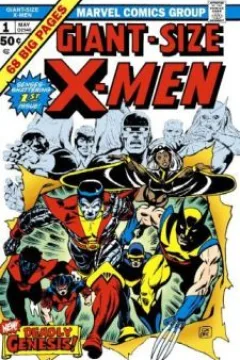
The omnibus format is designed for readers and collectors who want an entire creative run or era of a series in one volume rather than spread across multiple smaller trades. The Uncanny X-Men Omnibus Vol. 1 collects Chris Claremont and Dave Cockrum's landmark run starting from Giant-Size X-Men #1 through Uncanny X-Men #131, spanning 848 pages.
The Sandman Omnibus Vol. 1 collects the first 37 issues of Neil Gaiman's series across 1,040 pages. These are not books you toss in a bag for your commute. They are shelf pieces designed for dedicated reading sessions at home.
Pricing reflects the format's scale and production quality. A typical Marvel or DC omnibus retails between $75 and $125, though some specialty volumes with slipcovers or expanded content can exceed $150. Despite the high sticker price, omnibuses often represent strong value per page compared to buying the equivalent trades. Collecting the same issues covered by a single omnibus through individual trade paperbacks might cost $60 to $100 spread across three to five separate books, with the omnibus offering a single-volume presentation, sewn binding, and oversized art for a modest premium.
The distinction between an omnibus and a trade paperback is worth understanding clearly. A trade paperback collects one story arc, usually four to eight issues, in a standard-sized softcover for $15 to $20. An omnibus collects an entire run or a large portion of one, often 25 to 50 issues, in an oversized hardcover for $75 to $125. They serve different purposes. Trades are for reading a story arc at a time. Omnibuses are for owning a definitive collection of a run in a single package.
Omnibuses are typically organized by creator run or publishing era. The Amazing Spider-Man Omnibus Vol. 1 collects the Stan Lee and Steve Ditko era. Daredevil by Frank Miller Omnibus collects Miller's complete run. This approach allows the omnibus to serve as both a reading experience and a historical document of a specific creative period.
For collectors, omnibuses occupy an interesting space. They go in and out of print, and sought-after volumes that sell out of their print run can appreciate significantly on the secondary market before being reprinted. A first printing of the Uncanny X-Men Omnibus Vol. 1 in good condition can sell for well above its original retail price when it is between printings. Marvel and DC have become more aggressive about reprinting popular omnibus volumes in recent years, but the window between printings can still create scarcity.
What Is an Absolute or Deluxe Edition?
Absolute and deluxe editions are premium oversized hardcover collections that represent the highest-end presentation format in mainstream comics publishing. They prioritize archival-quality reproduction, oversized artwork, and premium physical materials. If a trade paperback is a standard reading copy and an omnibus is a comprehensive library edition, an Absolute or deluxe edition is a showcase piece designed for display and long-term collection.
DC Comics created the Absolute format as a branded premium line, and it has become the industry's most recognizable deluxe format. Absolute editions are printed at approximately 8 by 12 inches, roughly 20% larger than standard comic book pages, allowing the artwork to be seen at a scale closer to the original art boards. Each Absolute edition comes housed in a slipcase and features recolored or remastered artwork, heavy paper stock, and substantial bonus material including scripts, sketches, and creator commentary.
Absolute Sandman Vol. 1 collects the first 20 issues of Neil Gaiman's series with entirely new coloring supervised by the original creative team, presented at the oversized Absolute dimensions. Absolute Dark Knight contains both The Dark Knight Returns and The Dark Knight Strikes Again by Frank Miller in a single slipcased volume with an extended sketch section and commentary by Miller. Absolute Batman: The Long Halloween reproduces Tim Sale's atmospheric artwork at a size that reveals detail invisible in the standard trade. These are not casual purchases. Absolute editions typically retail between $75 and $125 per volume, and multi-volume sets can represent a significant investment.
Marvel's equivalent to the Absolute format is the oversized hardcover (OHC), though Marvel has not branded the format as distinctly as DC. Marvel has also published premium editions under various labels, including “Artist Select” and gallery editions that reproduce artwork at even larger sizes, sometimes approaching the original art board dimensions.
Other publishers produce their own deluxe formats. Image Comics has released oversized deluxe hardcovers for series like Saga and East of West that collect larger portions of the run at a premium size. Dark Horse's “Library Editions” serve a similar purpose for titles like Hellboy and B.P.R.D., collecting multiple story arcs in an oversized hardcover format.
The key distinction between an Absolute or deluxe edition and a standard omnibus is presentation quality rather than volume of content. An omnibus prioritizes comprehensiveness, packing as many issues as possible into a single binding. An Absolute or deluxe edition prioritizes the visual experience, using a larger trim size, superior paper, and often remastered color to present the artwork at its best. An omnibus might collect 40 issues. An Absolute edition might collect 20 of those same issues but present them in a format that makes every panel look significantly better on the page.
For collectors who value the physical presentation of their library, Absolute and deluxe editions are the top of the format hierarchy. They are also among the formats most likely to go out of print and appreciate in value, since their higher price point and specialized appeal result in smaller print runs compared to standard trades or even omnibuses.
What Is a Comic Book Cover Date?
The cover date printed on a comic book is not the same as the day it arrives in stores. Historically, publishers used cover dates that were several months ahead of the actual release date. A comic that shipped to newsstands in January might carry a March or April cover date. This practice originated in the newsstand era, when periodicals were removed from racks once their cover date had passed. By printing a future date, publishers ensured their comics stayed on display longer before being pulled as “outdated” inventory.
The gap between cover date and release date was typically two to three months, though it varied by publisher and era. For example, Amazing Fantasy #15, the first appearance of Spider-Man, carries an August 1962 cover date but was released in June 1962. This discrepancy is consistent across nearly all comics from the Golden Age through the early 2000s.
Today, cover dates still appear on many comics and still typically reflect a month one to two months after the actual release date. Their practical relevance has diminished significantly since the decline of newsstand distribution, but they persist as a cataloging convention. Cover dates are used to:
- Organize long runs chronologically within a series
- Identify specific printings when multiple versions of an issue exist
- Distinguish issues with similar numbering across different volumes or publishers
- Provide a secondary data point for verifying which printing or edition a collector owns
However, collectors and databases rely more heavily on release dates for accuracy. VerseDB tracks both the cover date and the release date on every issue, giving users access to the historical cataloging convention alongside the actual date the comic became available for purchase.
What Is a Comic Book Release Date?
The release date is the official day a comic becomes available for purchase at retail. In the United States, new comic books have traditionally released on Wednesdays, a convention known as New Comic Book Day (NCBD). This weekly cadence has been the rhythm of the direct market for decades: distributors ship new titles to comic shops on Tuesday, and the books go on sale Wednesday morning.
The release date is the date that matters most for collectors, readers, and market tracking. It determines:
- First appearance timing: when a character's debut officially enters the market, which is relevant for establishing the chronological first appearance in cases where multiple issues ship close together
- Aftermarket activity: speculation, secondary market pricing, and collector demand begin on release day, especially for anticipated issues with variant covers or rumored key content
- Sales tracking: industry reporting services like Comichron and ICv2 measure sales performance based on release month data
- Spoiler windows: reviews, plot discussions, and spoiler content circulate beginning on release day, which means readers following a series need to buy and read on or near that date to avoid having the story revealed
For readers who follow multiple series, tracking release dates across titles is essential for staying current. VerseDB organizes its weekly releases view by release date, letting users see exactly which comics are shipping in a given week. The platform's pull list feature is built around release dates as well, notifying users when titles they follow are about to ship. This makes release dates the operational backbone of how readers interact with the new comic market.
What Is FOC (Final Order Cutoff)?
FOC stands for Final Order Cutoff. It is the deadline by which comic book retailers must submit their final orders to the distributor before an issue goes to print. FOC typically falls two to three weeks before the comic's release date. After this deadline, retailers generally cannot increase their orders for that issue.
The FOC deadline is critical because it determines the size of the print run. The publisher prints copies based on the total number of orders received by FOC. A title that receives strong orders will have a large print run. A title with weak orders will have a small one. Once the print run is set, the only way for additional copies to enter the market is through a second printing, which requires the publisher to make a separate decision to go back to press.
This ordering structure explains why certain issues become scarce even before they are released. If retailers underestimate demand for a book, the FOC-determined print run may not be enough to satisfy the readers who show up on release day. The book sells out at the retail level, copies appear on the secondary market at a premium, and the publisher may eventually announce a second printing to meet the unmet demand. The lag between sell-out and reprint can be weeks or months.
FOC also matters for variant covers with order thresholds. Ratio variants (1:25, 1:50, 1:100) are allocated based on the retailer's FOC orders. A shop that orders 50 copies by FOC qualifies for two 1:25 variants and one 1:50 variant. If the shop only ordered 20 copies, it cannot access those tiers. This creates a direct link between FOC ordering decisions and variant availability.
Some collectors and speculators monitor FOC data and retailer commentary to anticipate which books might be under-ordered. A title with low pre-orders and sudden buzz, perhaps due to a rumored first appearance or a breakout creative team, can spike in demand after FOC has already passed, guaranteeing a tight supply. Understanding FOC helps explain the mechanics behind why some comics are easy to find on release day and others sell out within hours.
You're subscribed!
Thanks for joining our newsletter.
About the author

Hey, I'm Michael! As the creator and developer behind VerseDB, I get to combine my love for building great software with a serious comic book habit. While I definitely enjoy the thrill of collecting, I'm ultimately in it for the stories they tell. For me, it's all about getting lost in a great narrative and appreciating the artwork. I'm a massive fan of hunting down and showcasing beautiful covers. I built this platform to give readers and collectors a clean, organized place to catalog the issues, runs, and art that mean the most to them. Take a look around, log your favorites, and welcome to the community!
Your Comic Collection Awaits
Join thousands of comic enthusiasts tracking their collections,
discovering new series, and connecting with fellow fans.