Comic Book Creator Roles
Every comic book is a collaborative effort. Unlike prose novels, which are typically the work of a single author, a comic book issue is produced by a team of specialists, each responsible for a distinct stage of the creative process. Understanding these roles helps readers appreciate the craft behind every page and helps collectors identify whose contributions they value most.
The core creative team on a mainstream comic book typically includes a writer, penciler, inker, colorist, and letterer, with an editor overseeing the project from start to finish. Some creators fill multiple roles simultaneously, and some roles have evolved or merged as production technology has changed. Below is a detailed breakdown of each position and what it contributes to the finished product.
What Does a Comic Book Writer Do?
The writer is responsible for the story itself. This includes plot structure, dialogue, narration, pacing, and the overall direction of the narrative. The writer determines what happens in each issue, what characters say and think, and how the story moves from one scene to the next.
Comic book writing can follow different methods depending on the creative team's process:
- Full script is the most common modern approach, where the writer produces a detailed script specifying panel-by-panel breakdowns, dialogue, and stage direction before the artist begins drawing. This gives the writer precise control over pacing and composition.
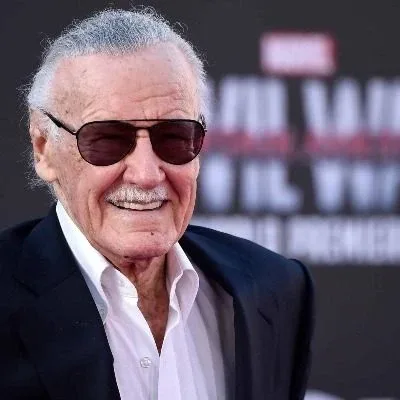
- Plot-first (Marvel Method) was popularized at Marvel Comics in the 1960s under Stan Lee. The writer provides a plot outline or synopsis, the artist draws the entire issue based on that outline, and the writer then adds dialogue and captions to the finished artwork. This method gives the artist more creative freedom over visual storytelling.
- Writer-artist collaboration falls between these two extremes, with varying levels of detail in the script depending on the trust and working relationship between the writer and artist.
The distinction between these methods matters because it affects how creative credit is assigned. Under the Marvel Method, the artist is making significant storytelling decisions, including page layouts, panel composition, and scene pacing, that would normally be specified in a full script. The long-running debate over credit allocation between Stan Lee and artists like Jack Kirby and Steve Ditko is rooted in the ambiguity of this collaborative process.
Prominent comic book writers include Alan Moore (Watchmen, Saga of the Swamp Thing), Neil Gaiman (The Sandman), Chris Claremont (Uncanny X-Men), Frank Miller (The Dark Knight Returns, Daredevil), Brian Michael Bendis (Ultimate Spider-Man, Powers), Kelly Sue DeConnick (Bitch Planet, Captain Marvel), and Jonathan Hickman (East of West, House of X/Powers of X). Each has a recognizable narrative voice that shapes the titles they work on.

What Does a Penciler Do?
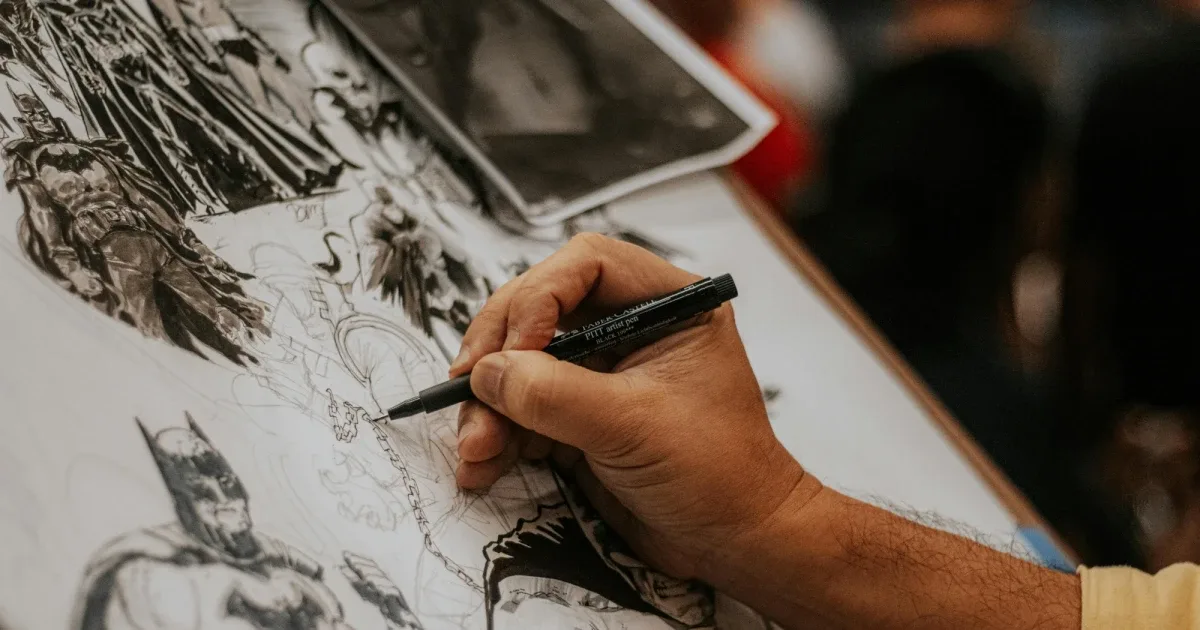
The penciler, sometimes spelled penciller, is the primary visual storyteller. Working from the writer's script or plot, the penciler draws every panel on every page, translating words into sequential artwork. This includes character poses and expressions, backgrounds and environments, panel composition and layout, and the visual pacing that controls how a reader's eye moves through the page.
Penciling is arguably the most visible creative role in comics. The penciler determines:
- Page layouts, deciding how many panels appear on each page and how they are arranged
- Camera angles and perspective, choosing whether a scene is viewed from above, below, close-up, or at a distance
- Character acting, conveying emotion, tension, and personality through facial expressions and body language
- Action choreography, staging fight scenes, chases, and physical sequences so they read clearly and dynamically
- Environmental design, establishing settings that ground the story in a specific time and place
Different pencilers bring radically different visual identities to the same characters. Jim Lee's hyper-detailed, kinetic style on X-Men defined the look of 1990s Marvel. Jack Kirby's bold, blocky compositions and cosmic scale established the visual language of the Marvel Universe in the 1960s. Andrea Sorrentino's experimental, fragmented page layouts on Gideon Falls and Old Man Logan push the boundaries of what a comic page can look like. David Aja's clean, design-driven approach on Hawkeye with Matt Fraction demonstrated how restrained linework and inventive layouts can redefine a mainstream superhero book.
In modern production, pencilers work both traditionally (drawing on physical boards with graphite pencils) and digitally (using tablets and software). The choice of method is a matter of personal preference and does not affect how the finished work appears in print.
What Does an Inker Do?
The inker works over the penciler's drawings, refining the artwork with ink to produce clean, reproducible linework. In the traditional production pipeline, pencil drawings are too faint and inconsistent in line weight to reproduce well in print. The inker's job is to interpret the pencils, strengthening lines, adding depth through line thickness variation, and applying black areas (called "spotting blacks") to create contrast and shadow.
Inking is not tracing. A skilled inker makes hundreds of interpretive decisions on every page:
- Line weight variation controls visual depth and emphasis. Thicker lines bring objects forward; thinner lines push them back.
- Spotting blacks creates mood and directs the reader's eye. Heavy black areas can convey nighttime scenes, dramatic tension, or visual weight.
- Texture and rendering add surface detail to materials like fabric, metal, skin, and foliage that may only be suggested in pencil.
- Cleanup and correction addresses rough or ambiguous areas in the pencils, tightening anatomy, clarifying backgrounds, and ensuring consistency across pages.
The inker's style has a significant effect on the finished artwork. The same set of pencils can look dramatically different depending on who inks them. Klaus Janson's gritty, textured inks over Frank Miller's pencils on Daredevil contributed to the series' dark, noir atmosphere. Scott Williams' precise, polished inks over Jim Lee's pencils on X-Men and Batman: Hush created the clean, high-detail look that defined those runs. Joe Sinnott's smooth, consistent inks over Jack Kirby's pencils on Fantastic Four gave the book a refined finish that balanced Kirby's raw energy.
The role of the dedicated inker has diminished somewhat in recent decades. As more pencilers work digitally, many now produce finished linework that goes directly to the colorist without a separate inking stage. Some artists, referred to as "finishers," work from loose pencil layouts and provide both refined pencils and inks in a single step. Despite these shifts, inking remains a credited role on many mainstream titles, and the craft is still recognized as a distinct skill within the industry.
What Does a Colorist Do?
The colorist adds color to the inked artwork, establishing mood, atmosphere, time of day, and visual continuity across every page. Color is one of the most powerful storytelling tools in comics, and the colorist's choices directly affect how readers experience the narrative.
Modern comic book coloring is done digitally, typically in Adobe Photoshop or specialized software, and the sophistication of the work has increased dramatically since the shift from mechanical color separation in the 1990s. Today's colorists work with a full range of techniques:
- Flat coloring establishes the base colors for every element in every panel, assigning each character, object, and background area its correct hue
- Rendering and modeling adds light, shadow, and three-dimensionality to figures and environments through gradients, highlights, and shading
- Palette selection sets the emotional tone of a scene. Cool blues and purples might convey isolation or nighttime. Warm oranges and reds can signal danger or intensity. A shift in palette between scenes helps readers track location and time changes.
- Special effects include energy blasts, magical auras, explosions, atmospheric haze, lens flares, and other visual elements that exist only in the color layer
- Color holds replace black linework with colored lines in specific areas, softening backgrounds or creating ethereal effects
The impact of a colorist on a book's visual identity can be enormous. Dave Stewart's muted, atmospheric palettes on Hellboy and Batman are inseparable from those books' identities. Matt Hollingsworth's restrained, naturalistic approach on Hawkeye and Criminal supports the grounded tone of those series. Marte Gracia's vibrant, saturated work on House of X/Powers of X helped define the visual language of the Krakoa era of X-Men. Jordie Bellaire's versatile coloring across titles like Pretty Deadly, Vision, and Batman demonstrates how a colorist adapts their approach to match different artistic and narrative styles.
Before digital coloring became standard in the late 1990s, comics were colored using a mechanical process where colorists marked color codes on photocopies of the inked artwork, and printing technicians applied those colors using a limited palette of pre-mixed inks. This process restricted colorists to roughly 64 colors, which is why older comics have the flat, bold color look associated with Silver and Bronze Age books. The transition to digital opened up millions of colors and allowed for the painterly, cinematic coloring that characterizes modern comics.
What Does a Letterer Do?
The letterer is responsible for all of the text that appears on a comic book page. This includes dialogue in word balloons, narration in caption boxes, sound effects integrated into the artwork, and any other typographic elements such as signs, documents, or on-screen text within the story.
Lettering is a design discipline as much as a technical one. The letterer's work affects readability, pacing, and tone:
- Balloon placement guides the reader's eye across the page in the correct reading order. A misplaced balloon can confuse the sequence of dialogue or obscure important artwork.
- Balloon style conveys information about the speaker. Standard rounded balloons indicate normal speech. Jagged or burst balloons suggest shouting. Wavy or dripping balloons can indicate a ghostly, alien, or distorted voice. The shape and border of the balloon is itself a storytelling tool.
- Font selection and sizing affects the personality of the text. Most mainstream comics use custom fonts, often based on hand-lettered originals. Some characters have signature font treatments (Deadpool's yellow caption boxes, the Sandman's inverted white-on-black speech balloons with irregular edges).
- Sound effects (SFX) are designed and placed to complement the artwork. A well-designed sound effect is a piece of graphic design that enhances the visual impact of an action. The "SNIKT" of Wolverine's claws, the "THWIP" of Spider-Man's webshooters, and the "BAMF" of Nightcrawler's teleportation are iconic letterer-created elements.
- Caption box styling differentiates narrators. When multiple characters narrate in the same issue, each typically gets a distinct caption box color or border treatment so readers can tell them apart at a glance.
For most of comic book history, lettering was done by hand with ink on the original art boards. Letterers like Tom Orzechowski, Todd Klein, and John Workman built decades-long careers hand-lettering major titles. Todd Klein's work on The Sandman, Promethea, and numerous other Vertigo and DC titles earned him more Eisner Awards than any other letterer in history. Today, the majority of lettering is done digitally, but the principles of placement, readability, and design remain the same.
Lettering is often the least visible role when done well. Readers rarely notice good lettering because it guides them through the page effortlessly. Bad lettering, by contrast, is immediately apparent: balloons that cover important art, confusing reading order, sound effects that clash with the artwork, or fonts that are difficult to read.
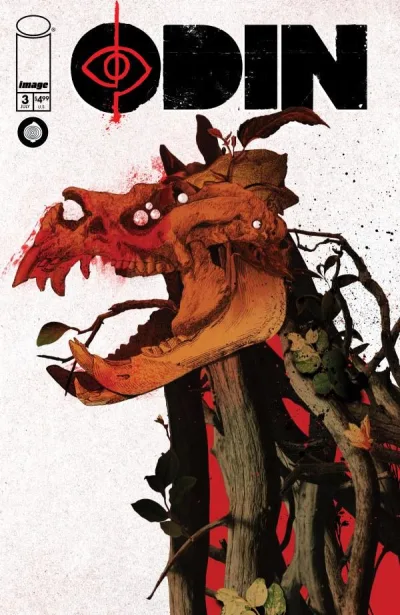
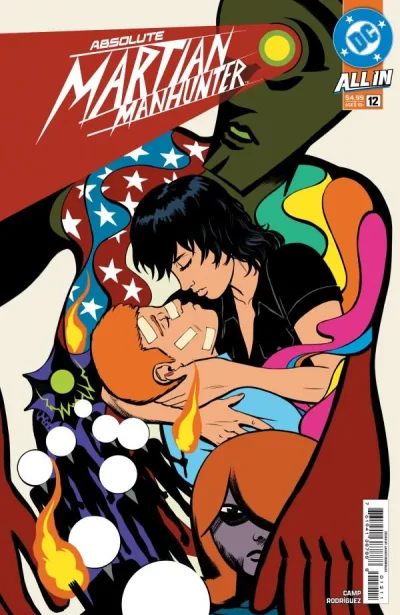
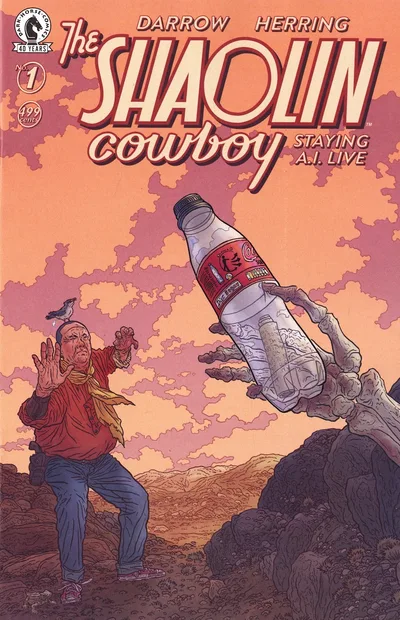
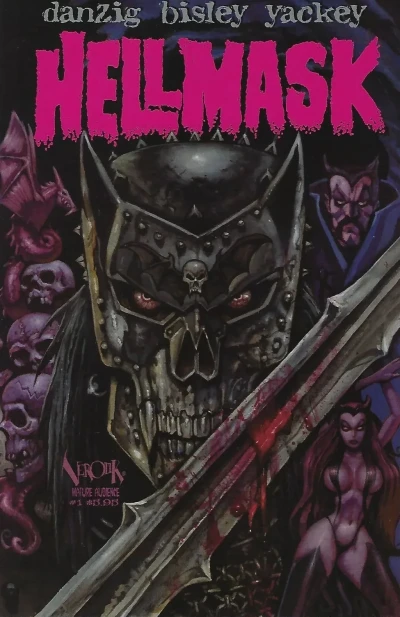
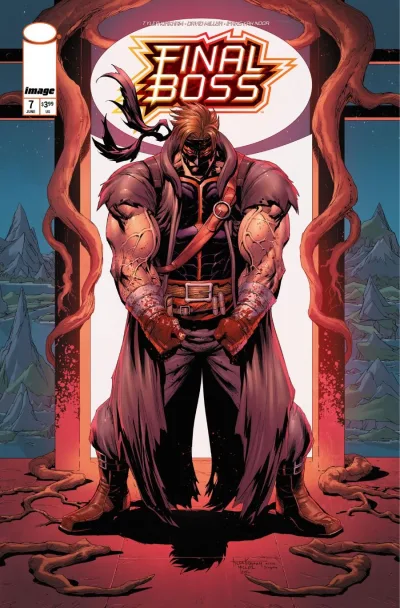
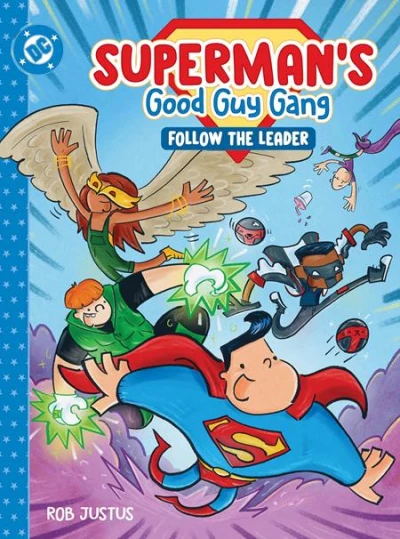
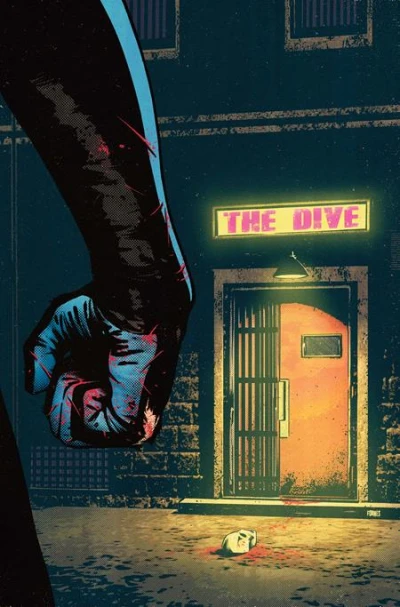
What Does a Cover Artist Do?
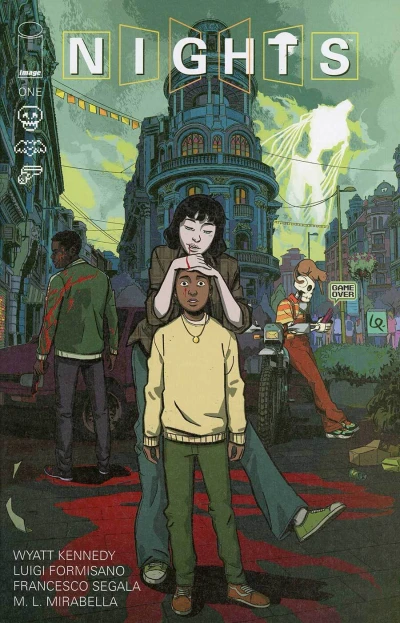
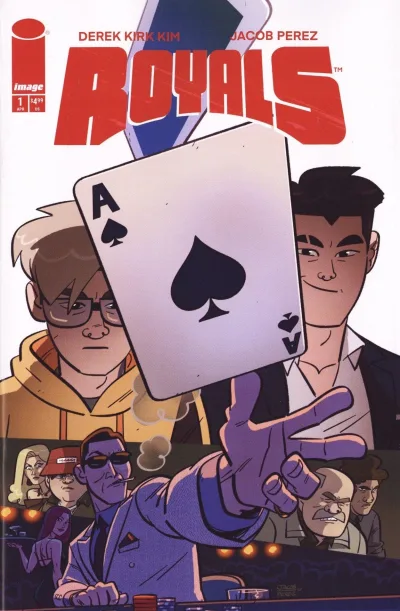
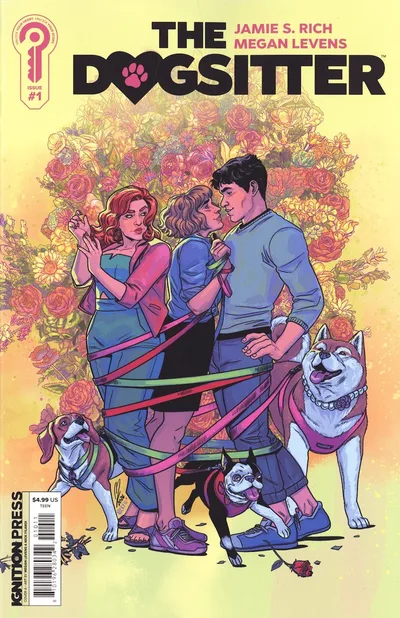
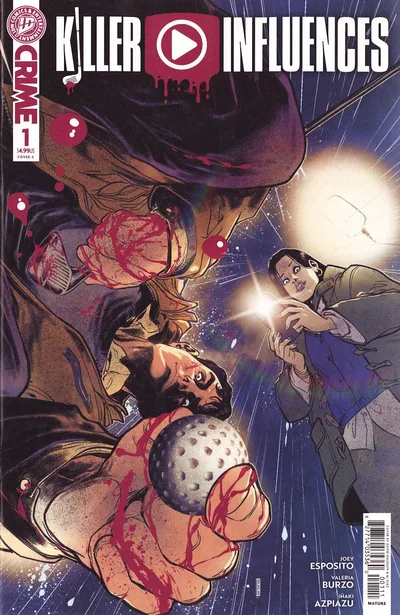
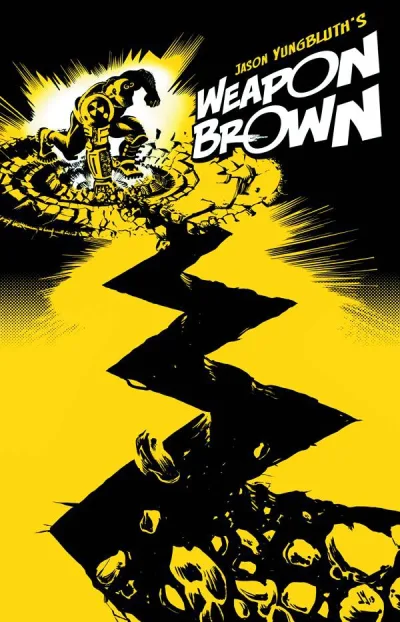
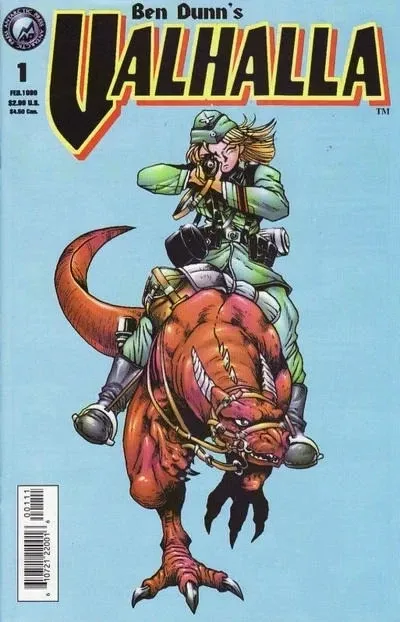
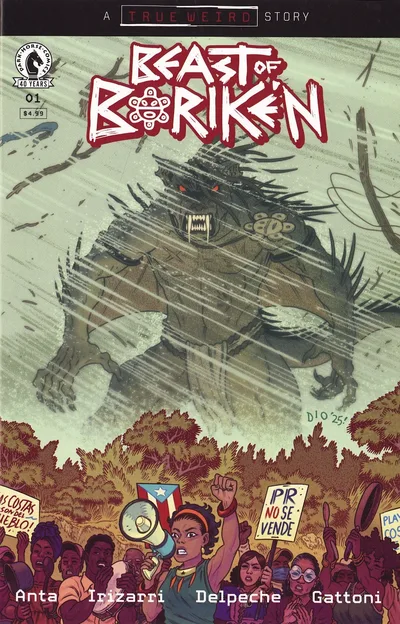
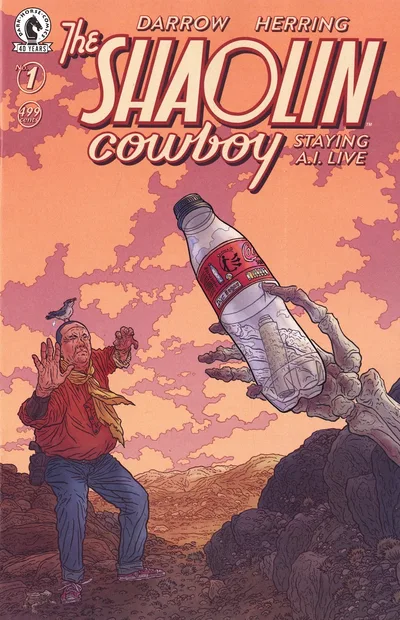
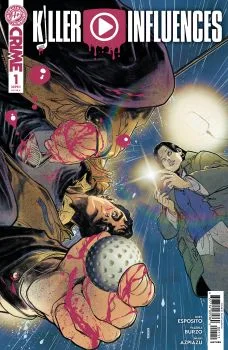
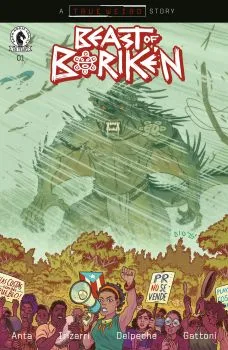
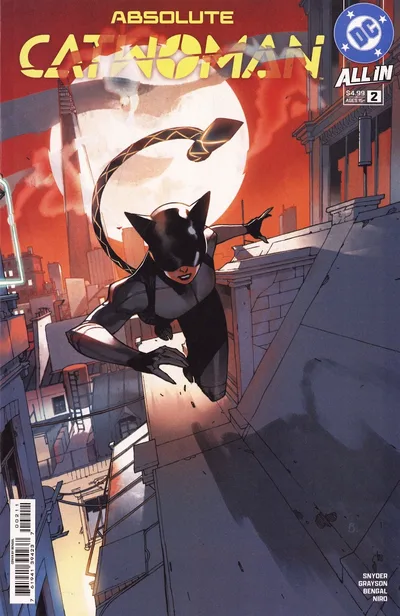
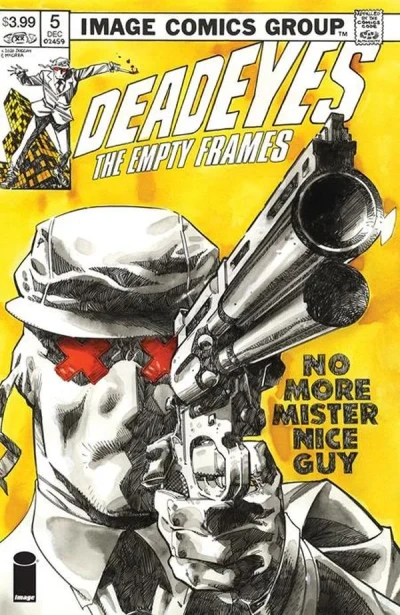
The cover artist creates the artwork for a comic book's front cover. While this may sound like a subset of the penciler's job, cover art is a distinct discipline with its own requirements and conventions.
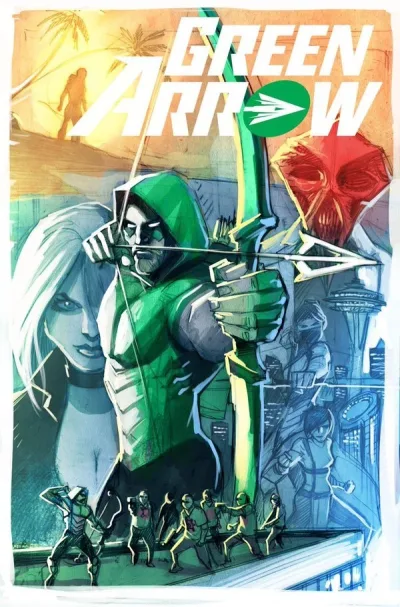
A cover serves as both an advertisement and an artistic statement. It must attract attention on a shelf or in a digital storefront, convey something about the issue's content or tone, and work as a standalone image. Unlike interior pages, which are designed to be read in sequence, a cover must communicate in a single frame.
Key aspects of cover art:
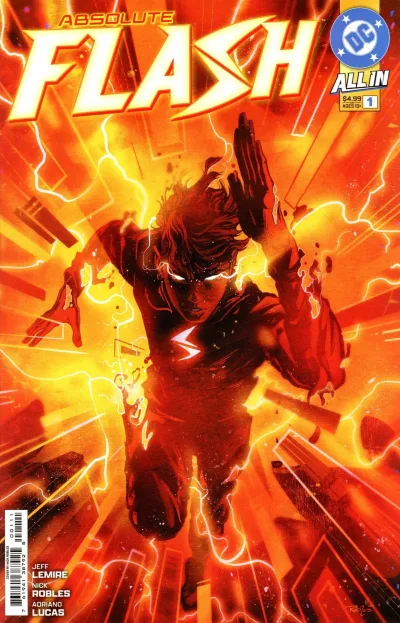
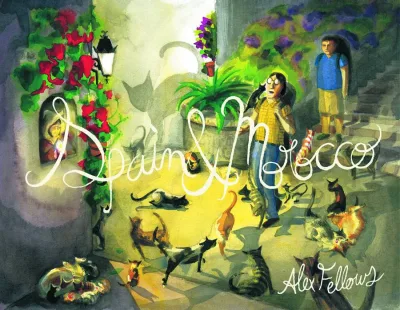
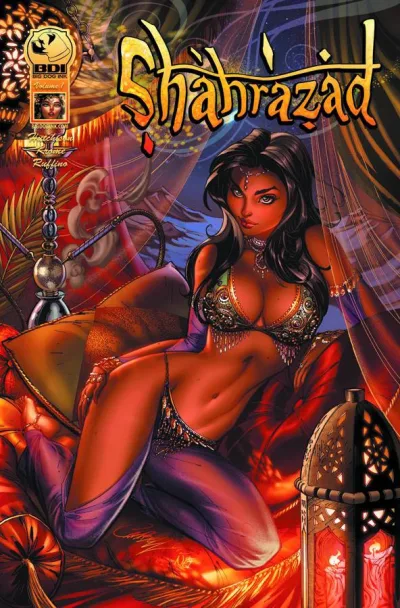
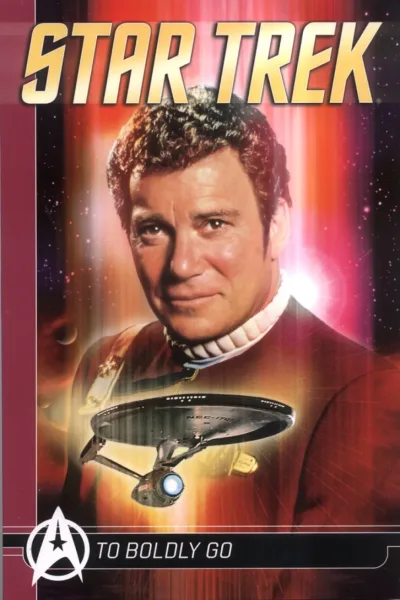
- Cover artists are often different from interior artists. A series may have one artist drawing the interior pages and a separate artist providing covers. This is especially common on high-profile titles where the publisher wants a marquee name on the cover to drive sales.
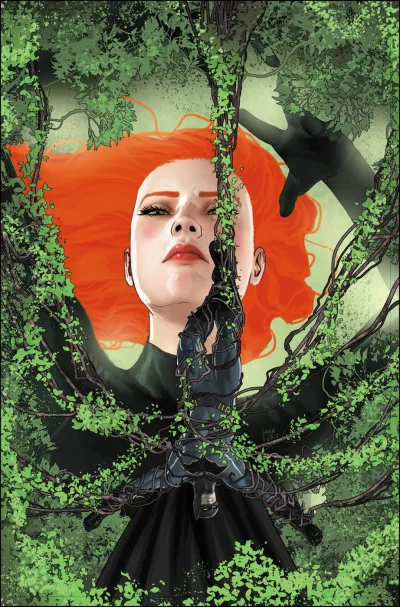
- Variant cover artists produce alternate covers for the same issue. A single issue may have covers by three, five, or ten different artists, each offering a different visual interpretation. Artists like Artgerm (Stanley Lau), Peach Momoko, Jenny Frison, and Alex Ross are known primarily or significantly for their cover work.
- Cover composition follows different rules than interior art. Covers must account for the placement of the title logo, publisher branding, barcode, and other trade dress elements that will be overlaid on the artwork.
In the context of VerseDB, cover artists and variant cover artists are tracked as distinct creator roles. When a creator provides cover art for a variant edition, they are credited on that specific variant's page rather than on the main issue entry. This separation ensures that cover credits are attached to the correct version of the issue.
What Does a Comic Book Editor Do?
The editor is the project manager of a comic book. While readers rarely see the editor's name on the cover, the editor's decisions shape every aspect of the finished product, from which creators are paired together to how the story fits within the publisher's larger continuity.
An editor's responsibilities span the entire production cycle:
- Creative direction involves working with the writer to develop story ideas, approving plot outlines, and providing feedback on scripts before they go to the artist. The editor ensures the story meets the publisher's standards and aligns with the broader editorial vision for the character or line.
- Team coordination means managing deadlines across the writer, penciler, inker, colorist, and letterer, all of whom may be working on overlapping schedules. If one stage falls behind, the editor adjusts the pipeline to keep the book on schedule.
- Continuity management requires the editor to track what has happened in related titles and ensure that events, character appearances, and plot points do not contradict each other. For shared-universe publishers like Marvel and DC, this means coordinating across multiple titles and editorial offices.
- Quality control involves reviewing artwork, lettering, and colors at each stage, flagging errors, requesting revisions, and approving the final product before it goes to print.
Some editors have had a defining impact on entire eras of comics. Karen Berger's editorial leadership created and nurtured DC's Vertigo imprint, championing titles like The Sandman, Preacher, Transmetropolitan, and Y: The Last Man that redefined what mainstream comic publishers could produce. Jim Shooter's tenure as Marvel's Editor-in-Chief in the 1980s imposed strict continuity standards and narrative discipline that shaped the Marvel Universe during one of its most commercially successful periods. Axel Alonso and Tom Brevoort have each guided major Marvel editorial lines through crossover events, relaunches, and creative team changes.
The editor role is often underappreciated because it is invisible when done well. A smoothly running comic book with consistent art, coherent continuity, and on-time shipping reflects strong editorial management, even though no single page of the book was drawn or written by the editor.
How Multiple Roles Work Together
The production of a single comic book issue follows a sequential pipeline where each creator builds on the work of the previous one. The standard workflow proceeds in this order:
- The writer produces a script (or plot outline).
- The penciler draws the pages based on the script.
- The inker refines the penciled pages with ink.
- The colorist adds color to the inked pages.
- The letterer adds dialogue, captions, and sound effects.
- The editor reviews and approves the work at each stage.
This pipeline means that delays at any stage cascade forward. If the penciler falls behind schedule, the inker, colorist, and letterer all have less time to complete their work. This is why fill-in artists and guest creators sometimes appear on individual issues of an ongoing series, ensuring the book ships on time even if the regular artist needs additional time.
Some creators fill multiple roles on a single project. A writer-artist (like Frank Miller on Sin City or Jeff Lemire on Essex County) handles both the script and the artwork. An artist who pencils and inks their own work eliminates the handoff between those two stages. In rare cases, a single creator writes, draws, inks, colors, and letters an entire book, though this is uncommon in mainstream monthly publishing due to the demanding schedule.
When a creator holds multiple roles on the same issue, each role is credited separately. A creator who writes and draws an issue will appear in both the writer and penciler credits. VerseDB tracks each creator-to-issue attachment by specific role, so a single creator can appear multiple times on the same issue's credits with different role designations. This ensures that the full scope of a creator's contribution is documented accurately, whether they provided the script, the interior art, the cover, or all of the above.
You're subscribed!
Thanks for joining our newsletter.
About the author
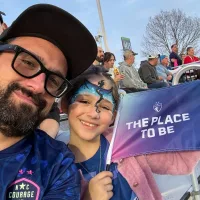
Hey, I'm Michael! As the creator and developer behind VerseDB, I get to combine my love for building great software with a serious comic book habit. While I definitely enjoy the thrill of collecting, I'm ultimately in it for the stories they tell. For me, it's all about getting lost in a great narrative and appreciating the artwork. I'm a massive fan of hunting down and showcasing beautiful covers. I built this platform to give readers and collectors a clean, organized place to catalog the issues, runs, and art that mean the most to them. Take a look around, log your favorites, and welcome to the community!
Your Comic Collection Awaits
Join thousands of comic enthusiasts tracking their collections,
discovering new series, and connecting with fellow fans.