 dangioffre
50 Story Arcs
Mar 17, 2026
dangioffre
50 Story Arcs
Mar 17, 2026
Staff
Ranked
The Most Important Story Arcs in Comic History
A curated list of narrative milestones that fundamentally shifted the landscape of comic book storytelling. These arcs represent more than just popular stories; they are the creative "inflection points" that introduced groundbreaking concepts, redefined iconic characters, permanently altered industry status quos, or proved the medium's capacity for complex, mature themes.
Watchmen
Ended
1
It deconstructed the superhero archetype so thoroughly that it ushered in the "Dark Age" of comics and proved the medium could achieve literary greatness.
Crisis on Infinite Earths
Crossover Event
Ended
2
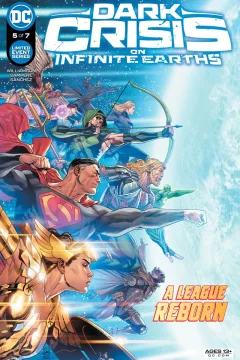
The first true "mega-event," it streamlined decades of convoluted DC history and established the blueprint for modern multi-series crossovers.
The Dark Knight Returns
Mini-Series Arc
Ended
3
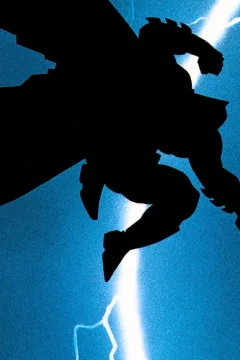
It reimagined Batman as a gritty, aging force of nature, forever stripping away the campiness of the 1960s TV era.
Days of Future Past
Main Story
Ended
4
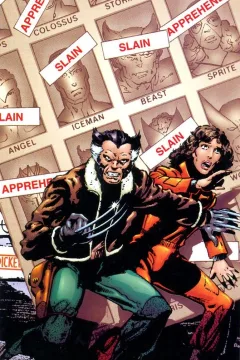
This introduced the concept of the dystopian future and time travel to the X-Men mythos, becoming the most influential trope in mutant storytelling.
The Night Gwen Stacy Died
Main Story
Ended
5
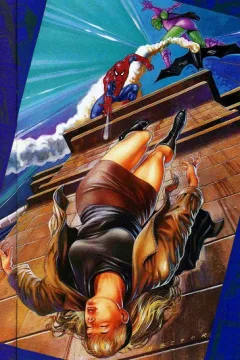
It shattered the innocence of the Silver Age by proving that even a hero's primary love interest could suffer a permanent, tragic death.
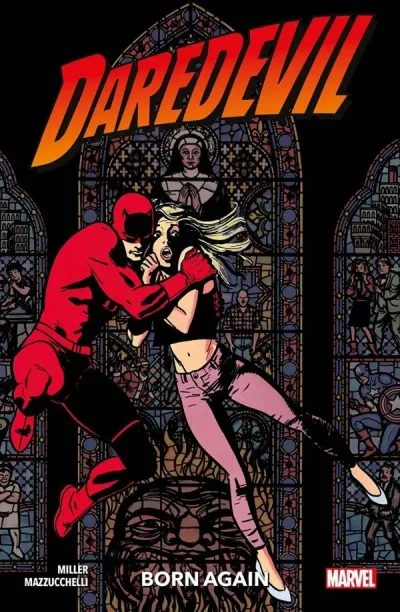
Born Again
Main Story
Ended
6
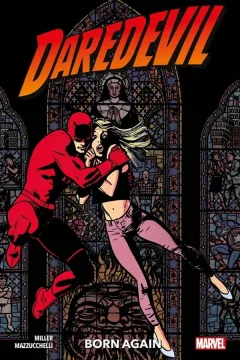
Frank Miller's definitive Daredevil story deconstructed the hero to his absolute breaking point, setting the standard for character-driven "redemption" arcs.
The Galactus Trilogy
Ended
7
It expanded the scale of the Marvel Universe to a cosmic level, introducing the concept of "god-sized" threats that were beyond human morality.
Maus
Ended
8
By using anthropomorphic animals to depict the Holocaust, it won a Pulitzer Prize and demanded that the world treat comics as serious historical art.
The Coming of Galactus
Ended
9
It pushed the boundaries of the Fantastic Four, moving from simple adventure to high-concept sci-fi and philosophical grandiosity.
God Loves, Man Kills
Ended
10
This graphic novel solidified the X-Men as a potent metaphor for real-world prejudice, shifting the focus from "villains" to "societal hatred."
Preludes & Nocturnes
Main Story
Ended
11
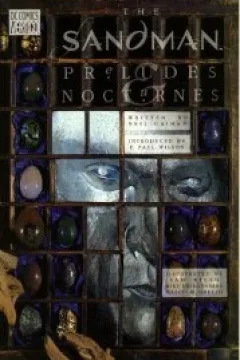
It launched a dark fantasy epic that blended mythology with modern horror, paving the way for the sophisticated Vertigo imprint.
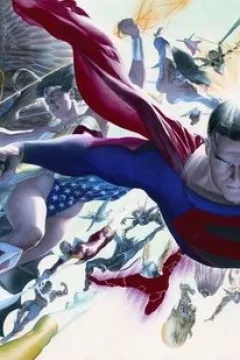
Kingdom Come
Mini-Series Arc
Ended
12
A painted masterpiece that examined the generational gap between classic heroes and the violent "anti-heroes" of the 1990s.
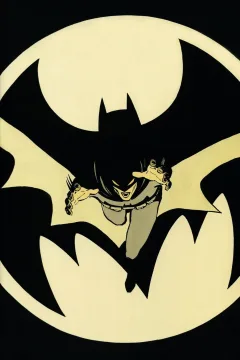
Year One (Batman)
Main Story
Ended
13
It provided the definitive grounded origin for the Dark Knight, influencing nearly every cinematic and comic adaptation that followed.
All-Star Superman
Ended
14
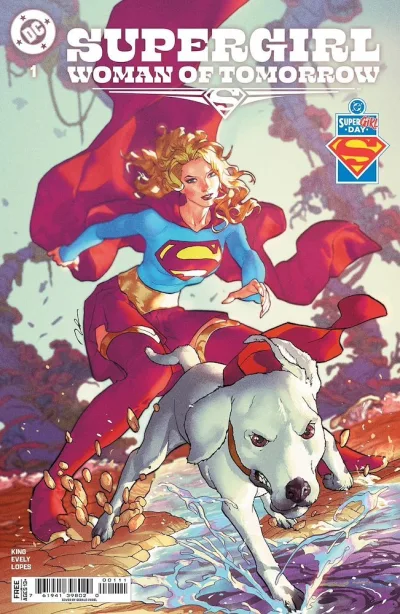
This served as a love letter to the character's entire history, distilling the essence of Superman into a perfect, timeless twelve-issue myth.
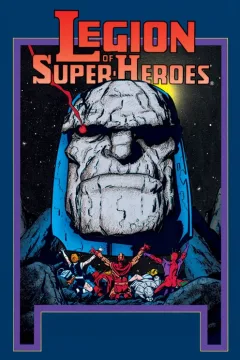
Great Darkness Saga
Main Story
Ended
15
It elevated the Legion of Super-Heroes by pitting them against Darkseid, proving that "teen" books could handle epic, cosmic stakes.
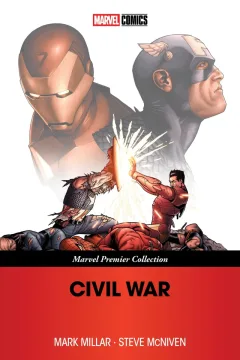
Civil War
Crossover Event
Ended
16
It forced the entire Marvel Universe to choose sides in a political conflict, creating a status quo of "hero vs. hero" that lasted for years.
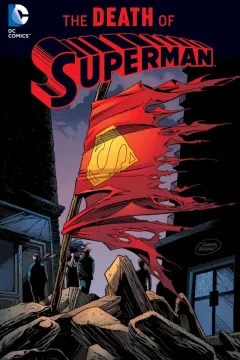
The Death of Superman
Crossover Event
Ended
17
A massive media event that proved comic books could dominate global headlines, even if the "death" was eventually reversed.
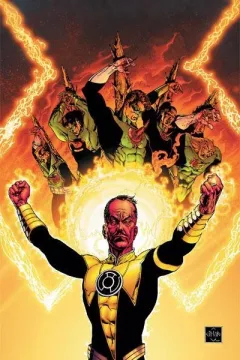
Sinestro Corps War
Crossover Event
Ended
18
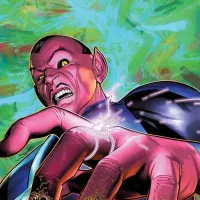
It revitalized the Green Lantern franchise by expanding the emotional spectrum and creating a massive, lore-heavy space opera.
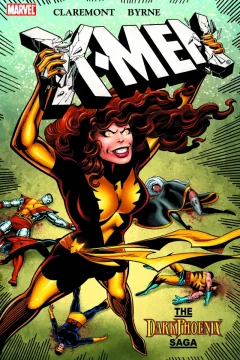
The Dark Phoenix Saga
Main Story
Ended
19
It was the first time a major female lead became the most powerful and feared entity in the universe, ending in a shocking tragedy.
V for Vendetta
Ended
20
A chilling examination of anarchism vs. fascism that proved comics could be a powerful vehicle for complex political philosophy.
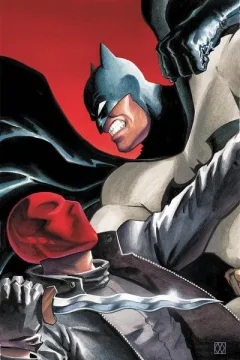
Under the Hood
Main Story
Ended
21
This brought Jason Todd back from the dead, creating a permanent new layer to the Batman mythos and the concept of "Red Hood."
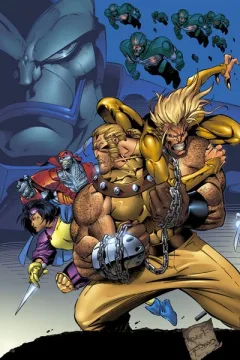
Age of Apocalypse
Crossover Event
Ended
22
An ambitious "what if" event that replaced the entire X-Men line for months, showing the power of total world-building in an alternate reality.
Skreemer
Ended
23
An early example of "prestige" storytelling that blended gangster tropes with a post-apocalyptic future, influencing the tone of later mature-reader books.
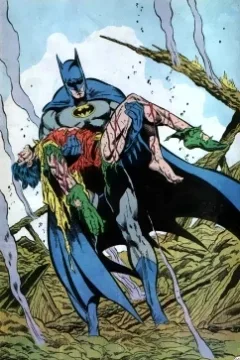
A Death in the Family (Batman)
Main Story
Ended
24
Famous for a fan-vote that killed Robin, it remains a landmark for interactivity and the brutal psychological toll on Batman.
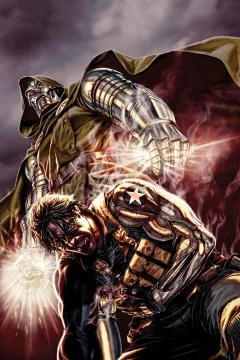
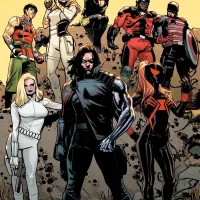
Winter Soldier
Main Story
Ended
25
It did the impossible by bringing Bucky Barnes back in a way that was narratively satisfying and fundamentally improved the Captain America mythos.
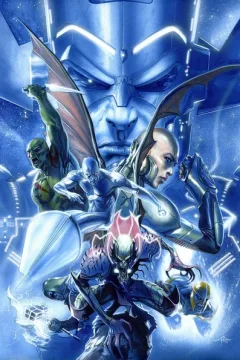
Annihilation
Crossover Event
Ended
26
It took Marvel's forgotten cosmic characters and turned them into a high-stakes, cohesive military sci-fi epic.
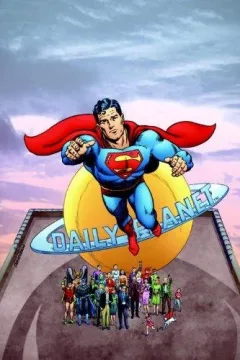
Whatever Happened to the Man of Tomorrow?
Main Story
Ended
27
Alan Moore's "final" story for the Silver Age Superman remains the gold standard for how to provide closure to a legend.
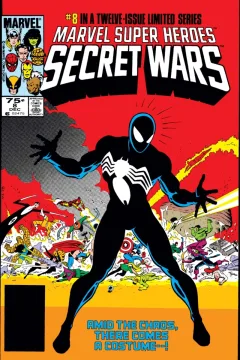
Secret Wars
Crossover Event
Ended
28
Though created to sell toys, it was the first massive "all-star" ensemble event that set the template for line-wide tie-ins.
The Invisibles
Ended
29
Grant Morrison's counter-culture opus used the comic page to explore conspiracy theories, magic, and the nature of reality itself.
Squadron Supreme
Ended
30
Pre-dating Watchmen, it was one of the first stories to realistically ask what would happen if superheroes actually tried to fix the world.
Man of Steel
Ended
31
John Byrne's reboot stripped Superman of his "Superboy" past and "Krypto" antics, modernizing him for the 1980s audience.
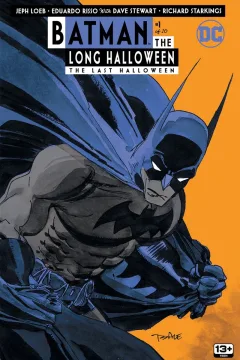
The Long Halloween
Mini-Series Arc
Ended
32
This established the "mystery" aspect of Batman's early years, focusing on his transition from fighting mobs to fighting "freaks."
Preacher: Gone to Texas
Ended
33
It brought a profane, Southern-Gothic sensibility to comics, pushing the boundaries of what was acceptable in a mainstream-adjacent book.
The Flash of Two Worlds
Ended
34
By bringing together the Golden Age and Silver Age Flashes, it birthed the concept of the Multiverse in DC Comics.
The Surtur Saga
Ended
35
Walt Simonson's Thor epic built a slow-burn mystery over years, culminating in a massive mythological war that redefined the character.
Green Lantern/Green Arrow: Hard Travelin' Heroes
Ended
36
It took superheroes out of space and put them on the road to face racism, drugs, and poverty in America.
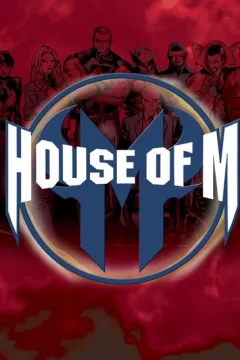
House of M
Crossover Event
Ended
37
A reality-warping event that ended with the "No More Mutants" decree, decimating the X-Men population for a decade.
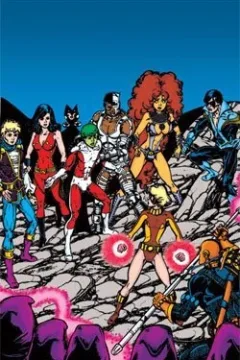
"Tales of the Teen Titans" Judas Contract
38
The definitive Teen Titans story, featuring the most famous betrayal in comic history and the graduation of Robin to Nightwing.
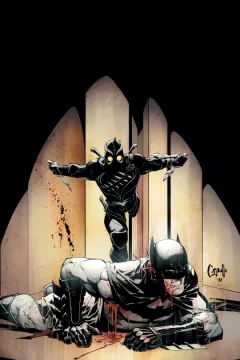
A Court of Owls
Main Story
Ended
39
The most successful modern addition to Batman lore, introducing a secret society that challenged the hero's ownership of Gotham.
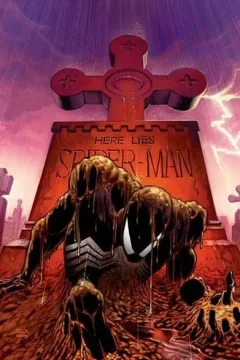
Kraven's Last Hunt
Crossover Event
Ended
40
A grim, psychological masterpiece that treated a "B-list" villain with the weight of a Shakespearean tragedy.
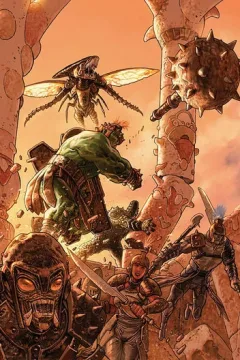
Planet Hulk
Main Story
Ended
41
It removed Hulk from Earth to create a "Gladiator" style epic, proving the character could carry a complex, political world-building story.
The New Frontier
Ended
42
A retro-masterpiece that bridged the gap between the Golden Age and the Silver Age, focusing on the optimism of the "Space Age."
300
Ended
43
Frank Miller's stylised retelling of Thermopylae changed the visual expectations for historical war comics and cinematic adaptations.
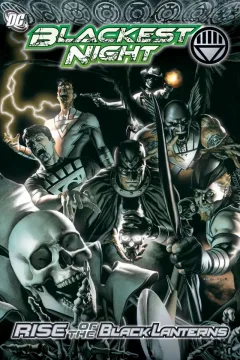
Blackest Night
Crossover Event
Ended
44
It turned the DC Universe into a horror story, utilizing the history of dead characters to create a massive, emotionally resonant zombie epic.
Lone Wolf and Cub
Ended
45
This Japanese epic influenced Western creators with its silent storytelling, cinematic pacing, and brutal focus on honor.
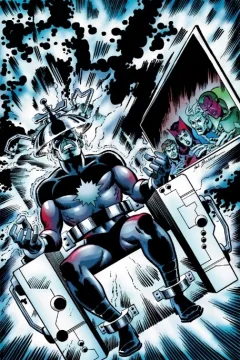
Kree/Skrull War
Crossover Event
Ended
46
The first time an intergalactic war became the backdrop for an Avengers story, expanding the team's scope beyond Earth.
Saga: Volume 1
Ended
47
It proved that a modern creator-owned "space opera" could become a massive commercial juggernaut and a cultural phenomenon.
The Authority: Relentless
Ended
48
It introduced "widescreen" comics—cinematic, high-octane action that moved away from traditional panel structures.
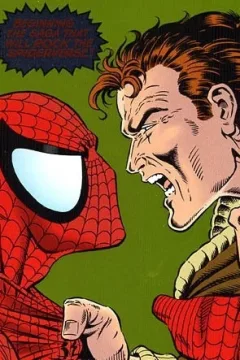
"Spider-Man" Power and Responsibility
49
It proved that classic characters could be successfully "reimagined" for a new generation without the baggage of 40 years of history.
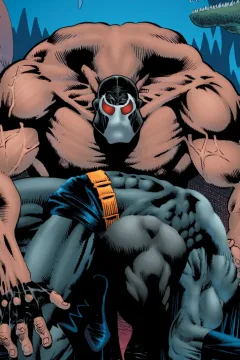
"Batman" Knightfall
50
The quintessential "replacement" story of the 90s, where the hero is physically broken and replaced by a more violent successor.
Comments
0 CommentsSign in to join the discussion
Sign In to CommentNo comments yet. Be the first to share your thoughts!