Major Comic Book Publishers
The comic book industry is shaped by its publishers, the companies that finance, produce, distribute, and market comics to readers and retailers. Some publishers operate massive shared universes with decades of interconnected continuity. Others exist specifically to give creators full ownership of their work. Still others specialize in licensed properties, literary comics, or international formats.
Understanding who publishes what, and how their business models differ, helps readers find comics that match their interests and helps collectors contextualize the books in their collection. A publisher's identity affects everything from creative freedom to print runs to the long-term availability of back issues.
VerseDB tracks publishers as a core part of its database. Every series and issue is linked to its publisher, and users can browse dedicated publisher pages to see a company's full catalog of series. Whether you collect Marvel superhero books, Image creator-owned titles, or Fantagraphics literary comics, the publisher is one of the most useful filters for navigating thousands of titles.
The Largest Comic Book Publishers
The American comic book market is dominated by a handful of major publishers that account for the majority of monthly single-issue sales. Each has a distinct publishing philosophy, business model, and editorial identity that shapes the comics it produces.
Marvel Comics
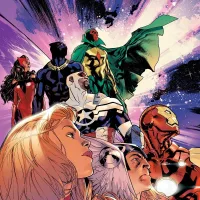
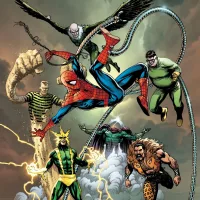
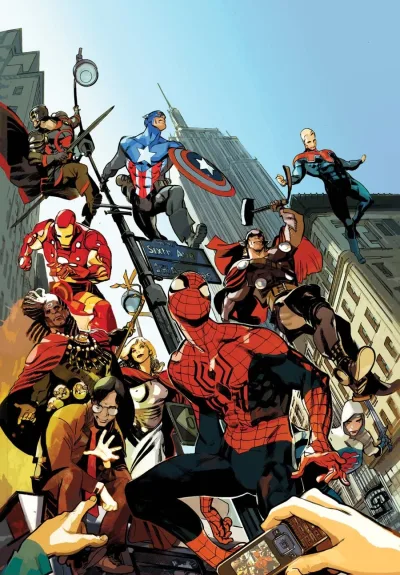
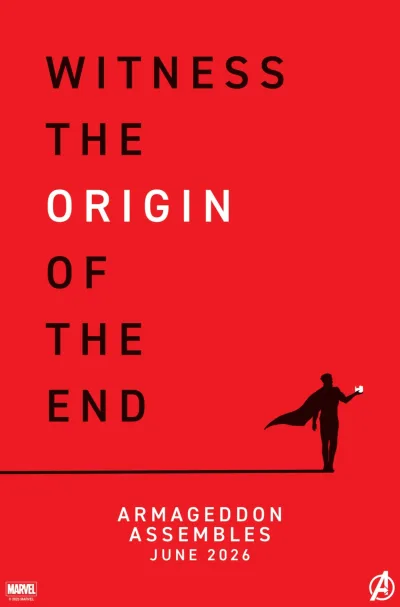
Marvel Comics is the largest comic book publisher in the United States by market share and one of the two companies (alongside DC) that define mainstream American comics. Marvel's publishing history stretches back to 1939, when the company was founded as Timely Comics by pulp magazine publisher Martin Goodman. Timely's first publication, Marvel Comics #1, introduced the Human Torch and Namor the Sub-Mariner. Captain America followed in 1941. After the postwar decline of superheroes, the company operated as Atlas Comics through the 1950s, publishing horror, romance, western, and science fiction titles before rebranding as Marvel Comics in the early 1960s.
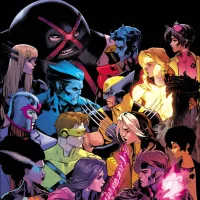
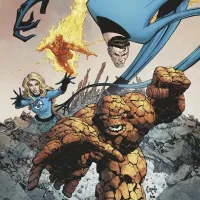
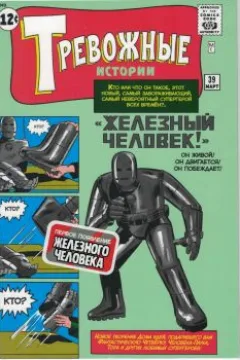
The modern Marvel era began in 1961 with the launch of The Fantastic Four by Stan Lee and Jack Kirby. Over the next several years, Lee, Kirby, Steve Ditko, and other creators introduced Spider-Man, the X-Men, the Hulk, Iron Man, Thor, Doctor Strange, and the Avengers, building an interconnected shared universe where characters regularly crossed over between titles. This shared continuity became Marvel's defining editorial approach and remains central to the company's publishing strategy.
Marvel's catalog spans thousands of active and legacy characters, organized across ongoing series, limited series, events, and collected editions. The company is a subsidiary of The Walt Disney Company, which acquired Marvel Entertainment in 2009 for $4 billion. Marvel's publishing operation continues to produce monthly comics while its characters anchor one of the most commercially successful film and television franchises in entertainment history. For collectors, Marvel's long publishing history means navigating multiple volumes of flagship titles, frequent relaunches, and legacy numbering that stretches back decades.
DC Comics
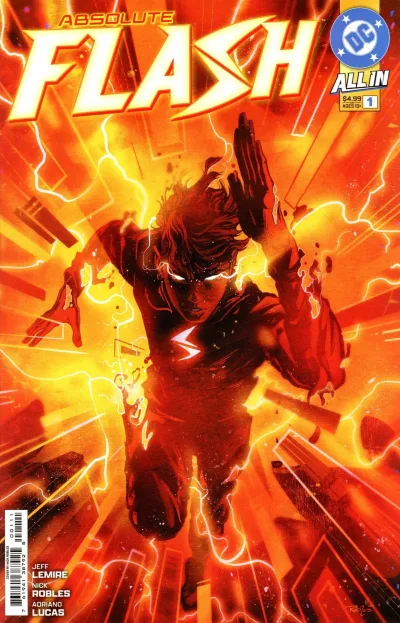
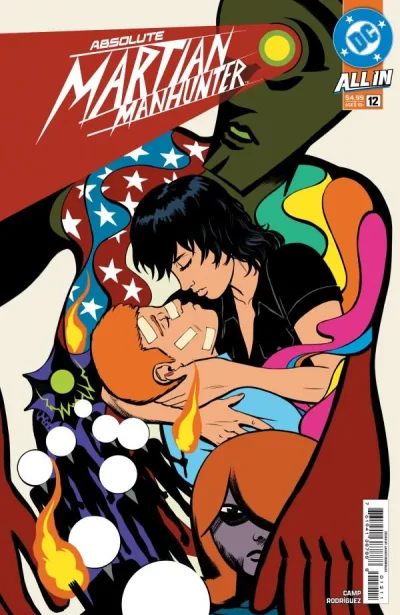
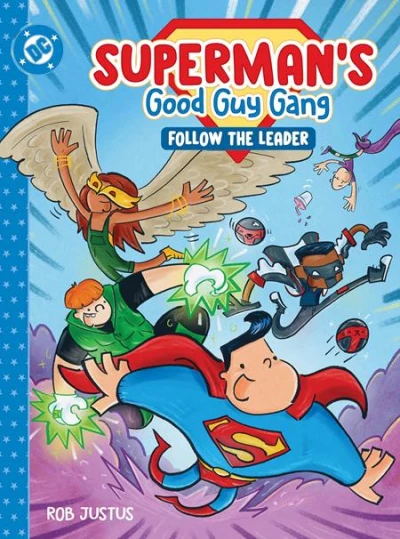
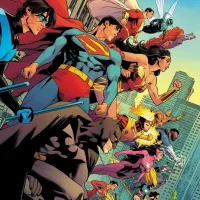
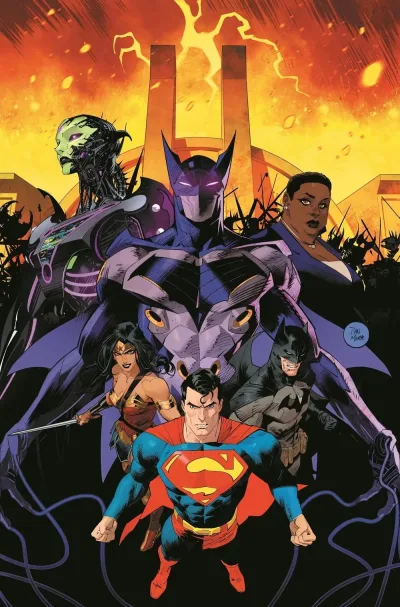
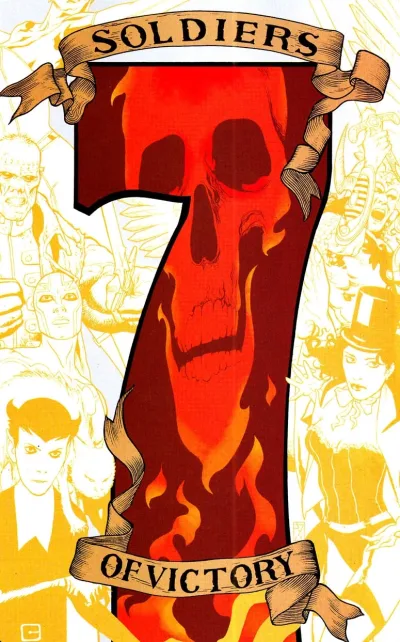
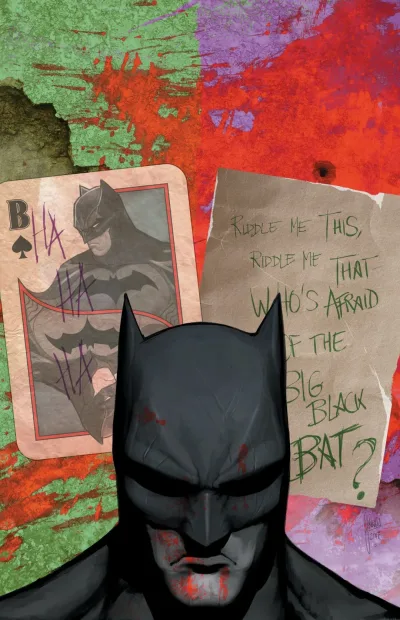
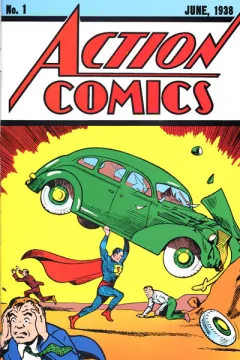
DC Comics is the second-largest American comic book publisher and the home of some of the most recognizable characters in popular culture, including Superman, Batman, Wonder Woman, The Flash, and Green Lantern. The company traces its origins to 1935, when Major Malcolm Wheeler-Nicholson founded National Allied Publications. The company's early titles included New Fun Comics and Detective Comics, the latter of which debuted in 1937 and gave the company the "DC" abbreviation that eventually became its official name. Superman's first appearance in Action Comics #1 in 1938 launched the superhero genre and transformed the company into an industry leader.
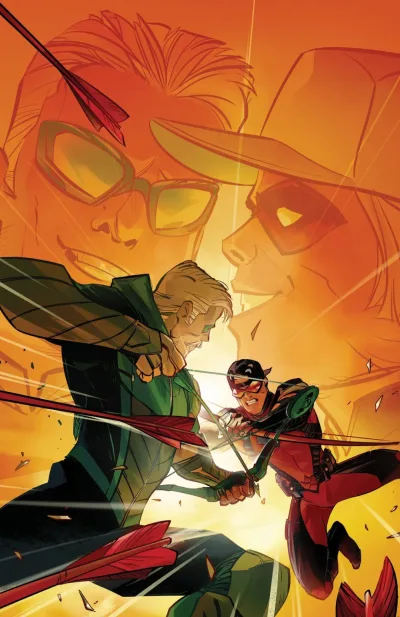
DC's editorial identity is built around legacy. Many of its major superhero identities have been carried by multiple characters across different eras. The Flash, Green Lantern, Robin, and other mantles have passed between generations, creating a layered continuity where the history of a title is as important as its current storyline. DC has also been more willing than most publishers to reset its continuity through universe-wide events. Crisis on Infinite Earths (1985), Flashpoint (2011), and Dark Crisis on Infinite Earths (2022) each restructured DC's multiverse and relaunched its publishing line, resulting in distinct eras that collectors and readers track separately.
DC is owned by Warner Bros. Discovery and operates alongside DC Studios, which manages the company's film and television adaptations. The publisher's catalog includes not only its superhero line but also a deep history of horror, war, western, romance, and literary comics published under various imprints over the decades. DC's Vertigo imprint, launched in 1993 under editor Karen Berger, published landmark titles like The Sandman, Preacher, Transmetropolitan, and Y: The Last Man that redefined what mainstream publishers could produce. For collectors, DC's periodic continuity resets mean that understanding which era a comic belongs to is essential for accurate cataloging.
Image Comics
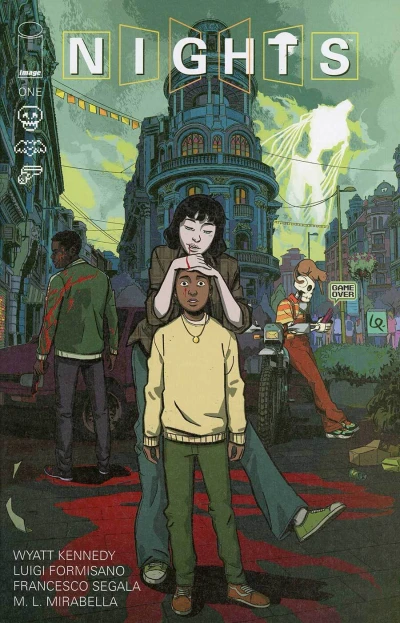
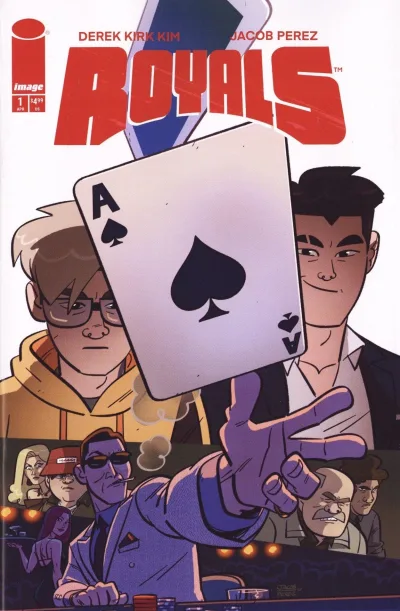
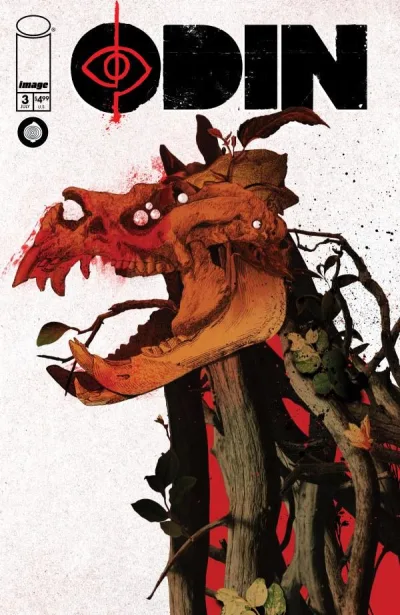
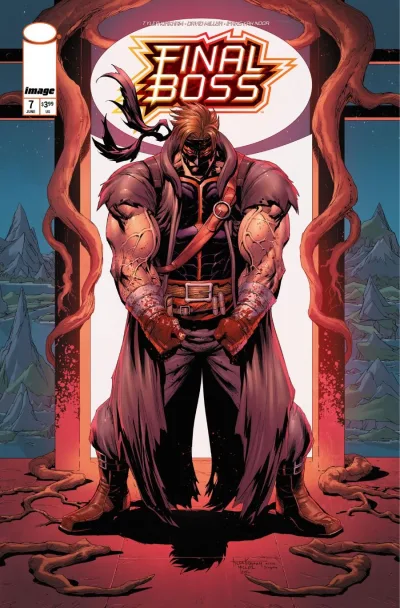
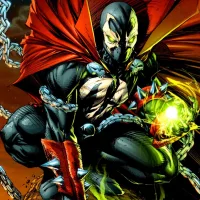
Image Comics is the third-largest American comic book publisher and the most prominent home for creator-owned comics in the industry. The company was founded in 1992 by seven high-profile artists who left Marvel Comics over disputes about creator rights and intellectual property ownership: Todd McFarlane, Rob Liefeld, Jim Lee, Erik Larsen, Marc Silvestri, Jim Valentino, and Whilce Portacio. Their departure was one of the most significant events in modern comics history, and the company they built operates on two founding principles that remain in effect: creators own all of their work, and Image partners cannot interfere with the creative choices of other partners.
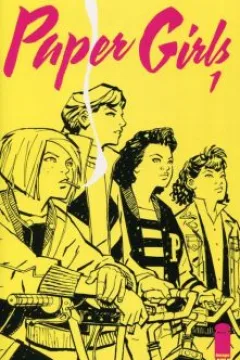
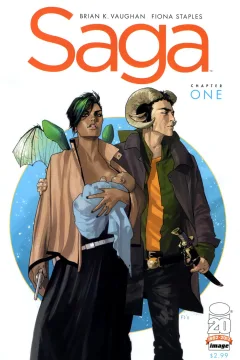
Unlike Marvel and DC, Image does not own the comics it publishes. The company functions as a publishing platform, providing production, distribution, and marketing services while creators retain full ownership of their intellectual property. This model attracts writers and artists who want creative freedom and long-term control over their work. The result is a catalog that spans virtually every genre: science fiction (Saga, East of West), horror (Ice Cream Man), crime (Criminal, Kill or Be Killed), fantasy (Rat Queens, Die), drama (Paper Girls, Monstress), and many others.
Image does not maintain a shared universe. Each series is an independent property with its own continuity, creative team, and publishing schedule. This means Image's catalog lacks the crossover events and interconnected storytelling of Marvel and DC, but it also means every Image title can be read without prerequisite knowledge. For collectors, Image books are notable because creator-owned series can end, pause, or resume entirely at the creators' discretion, and popular titles frequently command strong secondary market interest.
Dark Horse Comics
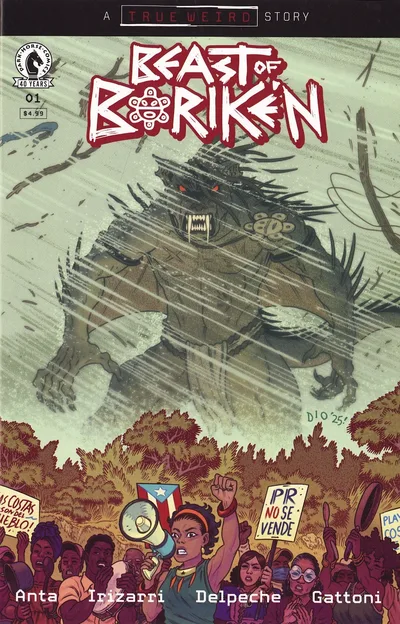
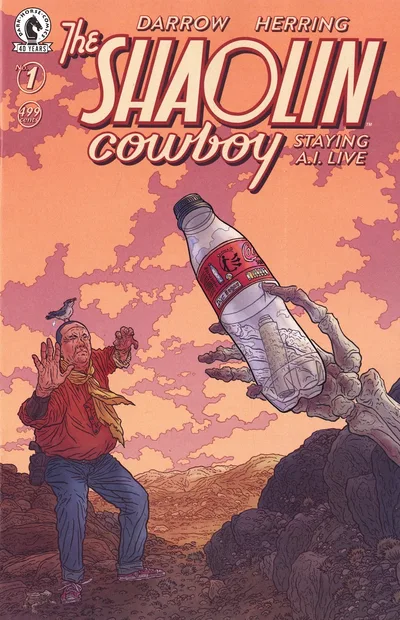
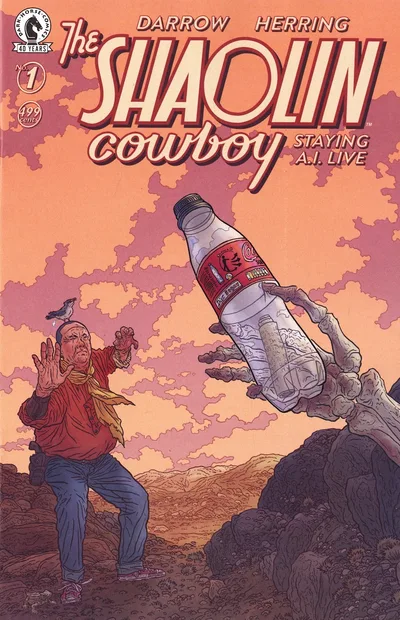
Dark Horse Comics is one of the largest independent publishers in the American market, founded in 1986 by Mike Richardson in Milwaukie, Oregon. Richardson, who owned a chain of comic book retail stores in the Pacific Northwest, started the company out of frustration with the quality and variety of material available from existing publishers. Dark Horse's first release was the black-and-white anthology Dark Horse Presents, which debuted in July 1986 and showcased the company's commitment to both creator-owned work and genre diversity.
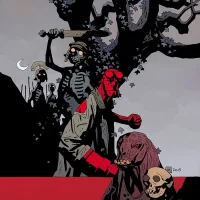
Dark Horse built its reputation on two pillars: licensed properties and creator-owned originals. On the licensing side, the company held the Star Wars comics license from 1991 to 2014, producing hundreds of issues that expanded the franchise's narrative universe. Dark Horse also published comics based on Aliens, Predator, Buffy the Vampire Slayer, and other major entertainment properties, establishing itself as the go-to publisher for high-quality licensed adaptations. On the creator-owned side, Dark Horse is home to some of the most acclaimed independent comics of the past four decades, including Mike Mignola's Hellboy, Frank Miller's Sin City and 300, Stan Sakai's Usagi Yojimbo, and Gerard Way's The Umbrella Academy.
In 2022, Dark Horse was acquired by Embracer Group, a Swedish entertainment conglomerate. The company continues to operate as an active publisher with a large catalog spanning comics, graphic novels, and art books. For collectors, Dark Horse titles often occupy a middle ground between the mainstream superhero market and the indie press, appealing to readers who want genre fiction with a higher production standard and editorial independence than the Big Two typically offer.
BOOM! Studios
BOOM! Studios is a major independent publisher founded in 2005 by Ross Richie and Andrew Cosby in Los Angeles. The company was created explicitly to publish comics outside the superhero-dominated mainstream, and its catalog reflects that mission with a broad range of original and licensed titles spanning horror, fantasy, comedy, all-ages, and literary fiction.
BOOM!'s original titles have earned significant critical and commercial success. Something is Killing the Children by James Tynion IV and Werther Dell'Edera became one of the best-selling non-Big Two comics of the 2020s. Lumberjanes, Giant Days, Once & Future, and Faithless represent the range of genres the publisher covers. On the licensing side, BOOM! has published comics based on Mighty Morphin Power Rangers, Firefly, Jim Henson Company properties, and Cartoon Network shows, giving the company a strong presence in both the direct market and the bookstore trade.
BOOM! also operates several sub-labels to organize its catalog by audience and genre, including KaBOOM! for all-ages titles and Archaia for prestige-format and literary works. The company's consistent presence in the top five or six publishers by market share reflects its ability to produce books that appeal to a wide readership without relying on legacy superhero IP.
IDW Publishing
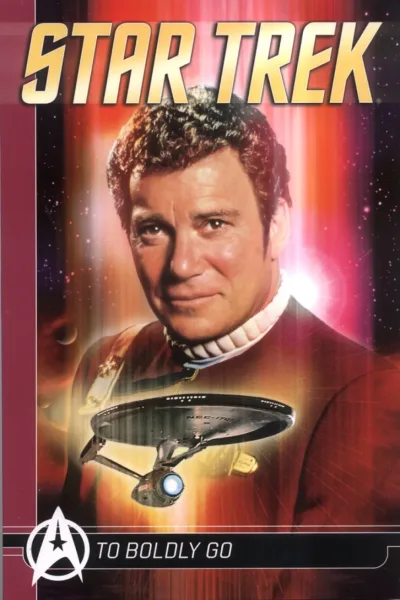
IDW Publishing was formed in 1999 by Ted Adams, Robbie Robbins, Alex Garner, and Kris Oprisko, who had previously worked together at Wildstorm Productions. The company grew rapidly through licensed comics based on major entertainment properties, including Transformers, Teenage Mutant Ninja Turtles, G.I. Joe, Star Trek, My Little Pony, Ghostbusters, and Locke & Key (which originated as a creator-owned IDW series by Joe Hill and Gabriel Rodriguez).
IDW's strength has been its ability to produce comics that appeal to fans of established franchises while also publishing original and critically acclaimed work. The company's Transformers continuity, which ran from 2005 through 2018, is one of the longest-running licensed comic narratives in the medium's history. IDW has also published prominent nonfiction and literary comics, including adaptations and original works that reach beyond the typical direct market audience.
The company has experienced financial challenges in recent years, including restructuring and changes in its licensed portfolio as properties have moved between publishers. Despite these shifts, IDW remains an active publisher with a significant catalog and a recognizable presence in the market.
Independent and Creator-Owned Publishers
Beyond the major publishers, the comic book industry is supported by a broad landscape of independent presses, boutique publishers, and creator-driven operations. These companies range from Eisner Award-winning literary houses to scrappy startups distributing through Kickstarter. Together, they publish some of the most critically acclaimed, creatively ambitious, and culturally diverse comics available.
Mid-Size Independent Publishers
Several publishers operate at a scale between the major companies and the smallest indie presses, maintaining consistent release schedules and national distribution while specializing in specific genres or publishing philosophies.
Dynamite Entertainment, founded in 2004 by Nick Barrucci, specializes in licensed and public domain properties. The company publishes comics based on Red Sonja, Vampirella, James Bond, Zorro, and classic pulp characters. Dynamite's catalog appeals to collectors interested in genre fiction and established characters outside the Big Two's superhero lines.
Oni Press, founded in 1997 in Portland, Oregon, has published a range of critically acclaimed creator-owned work, most notably Bryan Lee O'Malley's Scott Pilgrim, which became a cultural touchstone and the basis for a major film and animated series. Oni merged with Lion Forge Comics in 2019, forming the Oni-Lion Forge Publishing Group, and continues to publish original graphic novels and series across multiple genres.
Valiant Entertainment occupies a unique position in the market as a smaller shared-universe publisher. Originally founded in 1989 by former Marvel editor-in-chief Jim Shooter, Valiant was relaunched in 2012 under new ownership and published critically acclaimed superhero titles including X-O Manowar, Harbinger, Bloodshot, and Archer & Armstrong. Valiant's universe is more compact and accessible than Marvel's or DC's, which appeals to readers who want shared-universe storytelling without decades of prerequisite continuity.
Archie Comics, originally founded as MLJ Magazines in 1939, is one of the oldest continuously operating comic book publishers in America. The company introduced Archie Andrews in Pep Comics #22 in 1941 and renamed itself Archie Comics in 1946. While best known for its humor and teen titles, Archie has periodically reinvented itself, most notably with the critically acclaimed 2015 reboot by Mark Waid and Fiona Staples and the darker Afterlife with Archie horror series.
Literary and Art Comics Publishers
At the other end of the spectrum from mainstream superhero publishers sit companies dedicated to literary comics, art comics, and graphic novels aimed at bookstore and library audiences.
Fantagraphics Books, founded in 1976 in Seattle, is one of the most important publishers in the history of alternative comics. The company publishes The Comics Journal, a critical magazine that helped establish comics criticism as a serious discipline, alongside a catalog of creator-owned work that includes the Hernandez Brothers' Love and Rockets, Daniel Clowes' Ghost World and Eightball, Peter Bagge's Hate, and Charles Burns' Black Hole. Fantagraphics also publishes definitive archival collections of classic newspaper strips, including Peanuts, Krazy Kat, and Prince Valiant. The company's editorial identity prioritizes artistic ambition and literary merit over commercial appeal.
Drawn & Quarterly, founded in 1990 by Chris Oliveros in Montreal, occupies a similar position in the literary comics world. The publisher's roster includes Adrian Tomine, Chris Ware, Seth, Chester Brown, Guy Delisle, Lynda Barry, and Kate Beaton, among others. Drawn & Quarterly's books are distributed through Farrar, Straus and Giroux, placing them in mainstream bookstores alongside prose literature. The company's focus on long-form graphic novels and international translations has helped expand the audience for literary comics beyond the direct market.
Crowdfunded and Direct-to-Consumer Comics
The past decade has seen a significant rise in comics published outside traditional distribution channels. Crowdfunding platforms, particularly Kickstarter, have enabled creators to finance, produce, and ship comics directly to readers without a publisher or distributor as intermediary.
Crowdfunded comics bypass the direct market's ordering structure entirely. Instead of retailers placing orders through a distributor based on projected demand, creators pitch their project directly to potential readers, collect funding upfront, and produce the book once the campaign succeeds. This model has several implications for the comics landscape:
- Creators retain full ownership and a larger share of revenue
- Projects that might not find support from traditional publishers can reach their audience directly
- Print runs are determined by actual demand rather than retailer speculation
- Some of the most commercially successful independent comics of recent years launched through crowdfunding before reaching comic shops or bookstores
This direct-to-consumer approach has also expanded to include subscription models, Patreon-funded serialization, and webcomic-to-print pipelines where creators build an audience online before publishing physical editions. The result is a publishing ecosystem far more diverse and decentralized than the industry that existed even a decade ago.
Why Publisher Diversity Matters for Collectors
For collectors, the publisher behind a comic affects availability, print runs, variant strategies, collected edition schedules, and long-term value. A Marvel or DC first printing ships in quantities of tens of thousands. A small-press indie title might have a first printing of 2,000 copies. A Kickstarter-exclusive edition might exist in only a few hundred copies. Knowing who published a book, and how, gives you essential context for understanding what you own and what it might be worth.
VerseDB tracks publishers across all mediums and all sizes. Every publisher has a dedicated page showing its full catalog of series, and publisher information appears on every series and issue detail page. Whether you are tracking the latest Marvel event, an Image creator-owned run, or a small-press graphic novel, the publisher is always part of the record.
What Is a Comic Book Imprint?
An imprint is a branded publishing line that operates under a parent publisher. While the parent company owns the imprint and handles production, distribution, and business operations, the imprint carries its own editorial identity, visual branding, and target audience. Imprints allow a single publisher to release comics aimed at very different readerships without confusing the brand identity of the main line.
Think of it this way: DC Comics publishes superhero comics aimed at a general audience. But DC also published The Sandman, Preacher, and Transmetropolitan, stories filled with graphic violence, mature themes, and literary ambition that would sit uncomfortably under the same branding as Superman and Justice League. Rather than publishing those titles under the main DC banner, the company created Vertigo, a separate imprint with its own logo, editorial staff, and identity. The comics were still owned and distributed by DC, but they existed in a distinct space with different expectations.
That separation is the core function of an imprint.
How Is an Imprint Different from a Publisher?
A publisher is an independent company that finances, produces, and distributes comics. It has its own business entity, its own distribution agreements, and its own financial structure. Image Comics, Marvel Comics, and Fantagraphics are all publishers.
An imprint is not an independent company. It is a label within a publisher, created and controlled by that publisher. The imprint does not have its own distribution deals or corporate structure. It exists as a branding and editorial subdivision.
The practical differences include:
- A publisher decides what to publish, how to distribute it, and retains the business relationship with retailers and distributors
- An imprint operates within those structures but maintains its own editorial voice, visual identity, and (in some cases) its own editorial staff
- If an imprint is shut down, its parent publisher still exists and may absorb the imprint's titles back into the main line
- If a publisher shuts down, everything it published, including all its imprints, ceases production
Some imprints are so well known that readers think of them as publishers. Vertigo is a prominent example. Many readers who grew up reading The Sandman or Y: The Last Man thought of those as "Vertigo comics" rather than "DC comics," even though DC owned and distributed every issue. The imprint branding was that effective at creating a separate identity.
Why Do Publishers Create Imprints?
Publishers create imprints for several overlapping reasons, all related to organizing their catalog and reaching specific audiences more effectively.
Audience separation is the most common motivation. A publisher known for all-ages superhero comics may want to release mature-reader titles without signaling to parents or retailers that the main line has changed its content standards. A separate imprint with its own branding makes the distinction clear. DC created Vertigo specifically for this purpose in 1993, and its successor, Black Label, serves a similar function today by publishing prestige-format stories with mature content set in the DC Universe.
Genre or format specialization allows a publisher to build a distinct identity around a specific type of comic. BOOM! Studios operates KaBOOM! for all-ages titles and Archaia for prestige and literary work. Dark Horse publishes Dark Horse Manga, collecting and distributing Japanese manga in English. Each imprint signals to readers exactly what kind of content to expect before they open a single issue.
Creator-driven editorial vision is another catalyst. Some imprints are built around a single editor or creator whose taste and reputation define the line. Karen Berger, who founded and edited Vertigo at DC, later launched Berger Books at Dark Horse, an imprint built around her editorial sensibility and reputation for literary, creator-owned comics. The imprint exists because Berger's name and track record attract specific creators and readers.
Branding separation for acquisitions comes into play when a publisher acquires another company or studio and wants to preserve its identity. When DC acquired WildStorm Productions from Jim Lee in 1998, WildStorm continued to operate as an imprint of DC rather than being folded into the main line. This preserved WildStorm's existing readership and editorial identity while giving DC access to its characters and creators.
The common thread across all of these reasons is that imprints let publishers do more without diluting what they are already known for.
Notable Imprints and What They Published
The history of comic book imprints includes some of the most influential publishing lines in the medium. Below are key examples organized by parent publisher.
DC Comics Imprints
Vertigo (1993–2020) is the most famous comic book imprint ever created. Launched under editor Karen Berger, Vertigo published mature-reader, creator-owned, and creator-driven titles that pushed the boundaries of what mainstream comic publishers would release. Its catalog includes The Sandman by Neil Gaiman, Preacher by Garth Ennis and Steve Dillon, Transmetropolitan by Warren Ellis and Darien Robertson, Y: The Last Man by Brian K. Vaughan and Pia Guerra, Fables by Bill Willingham, 100 Bullets by Brian Azzarello and Eduardo Risso, and DMZ by Brian Wood and Riccardo Burchielli. Vertigo titles were marketed to adult readers and sold in bookstores alongside prose fiction, expanding the audience for comics beyond the direct market. DC shuttered the imprint in 2020, absorbing its remaining titles into the main DC line or the newer Black Label imprint.
Black Label (2018–present) is DC's current mature-reader imprint, publishing prestige-format stories featuring DC's main characters in standalone or loosely connected narratives. Unlike Vertigo, which largely featured original properties or characters removed from mainstream DC continuity, Black Label publishes stories starring Batman, Superman, Wonder Woman, and other core DC characters in formats and with content that exceed the rating standards of the main line. Titles include Batman: Damned, Batman: White Knight by Sean Murphy, Joker/Harley: Criminal Sanity, and Wonder Woman: Dead Earth.
WildStorm (1998–2010) operated as a DC imprint after Jim Lee sold his studio to the company. WildStorm published titles like The Authority, Planetary, and Sleeper alongside the WildC.A.T.s and Gen13 properties that Lee and other founders had created. The imprint maintained its own continuity, separate from the main DC Universe, until DC folded WildStorm characters into the New 52 relaunch in 2011.
DC Ink and DC Zoom (2019–2020) were short-lived imprints targeting young adult and middle-grade readers respectively. DC Ink published YA-oriented graphic novels featuring DC characters, while DC Zoom aimed at younger audiences. Both were discontinued as DC consolidated its young-reader strategy.
Marvel Comics Imprints
MAX (2001–2015) was Marvel's explicit-content imprint, publishing stories with graphic violence, strong language, and mature themes that could not appear under the standard Marvel rating. The most notable MAX title was Garth Ennis's Punisher MAX, a 75-issue run that redefined the character as a brutal, grounded crime protagonist removed from the superhero elements of the main Marvel Universe. Other MAX titles included Alias by Brian Michael Bendis and Michael Gaydos, which introduced Jessica Jones, and Fury MAX by Ennis.
Epic Comics (1982–2004) began as Marvel's creator-owned imprint, publishing material outside the Marvel Universe where creators retained ownership of their work. Epic published titles by established creators who wanted to work outside the constraints of Marvel's superhero line. The imprint was revived briefly in 2003 as an open-submission initiative before being discontinued.
Icon (2004–2012) was another Marvel creator-owned imprint, publishing a small number of high-profile titles by Marvel-exclusive creators. The most prominent Icon titles were Powers by Brian Michael Bendis and Michael Avon Oeming and Criminal by Ed Brubaker and Sean Phillips. Icon gave Marvel-exclusive creators a venue to publish non-Marvel work without leaving the company.
Ultimate Comics was the banner for Marvel's Ultimate Universe, a separate continuity launched in 2000 with Ultimate Spider-Man by Bendis and Mark Bagley. The Ultimate line reimagined Marvel characters from scratch, free from decades of accumulated continuity, and was aimed at new readers. While not a traditional imprint in the editorial sense, Ultimate Comics functioned as a branded sub-line with its own logo, numbering, and continuity.
Other Publisher Imprints
Top Cow Productions was founded by Marc Silvestri as one of the original studios within Image Comics. Top Cow operates as an imprint of Image, publishing titles like Witchblade, The Darkness, and Artifacts under its own branding while using Image's distribution infrastructure. Top Cow's model illustrates how Image's partner-studio structure effectively made each founding creator's studio an imprint.
KaBOOM! is BOOM! Studios' all-ages imprint, publishing comics aimed at younger readers, including licensed titles like Adventure Time and original series. Archaia, also under BOOM!, focuses on prestige-format and literary comics, publishing hardcover graphic novels with high production values. Both imprints allow BOOM! to serve audiences that its main line does not target directly.
Berger Books is Karen Berger's imprint at Dark Horse Comics, launched in 2018. After leaving DC (and Vertigo), Berger established a new home for the kind of literary, creator-driven work she had championed for decades. Berger Books titles include Incognegro: Renaissance by Mat Johnson and Warren Pleece and Deaf Republic by Ilya Kaminsky and George Yamazawa.
Dark Horse Manga is Dark Horse's imprint for English-language editions of Japanese manga. The imprint has published translations of major manga series and helps Dark Horse serve readers who want manga from a publisher they already trust for Western comics.
How Imprints Affect Collectors
For collectors, imprints add a layer of specificity to cataloging and identification. Two comics may share the same parent publisher but carry different imprint branding, different editorial standards, and different collector audiences. Knowing the imprint tells you something about the content, format, and era of a book that the publisher name alone does not.
Imprints affect collecting in several practical ways:
- Identification and cataloging: A comic published under Vertigo and a comic published under the main DC line are both DC products, but they belong to different editorial contexts. Accurate cataloging requires noting the imprint, not just the publisher.
- Content expectations: An imprint like MAX or Black Label signals mature content. An imprint like KaBOOM! signals all-ages material. The imprint functions as a content rating shorthand for retailers and readers.
- Collectibility and market interest: Vertigo first printings, for example, carry specific collector interest because the imprint is defunct. A complete run of a Vertigo series represents a closed, finite set of issues from a publishing line that no longer produces new material.
- Historical context: Knowing that a series was published under Epic, Icon, or WildStorm places it within a specific era and editorial philosophy, information that matters when evaluating its significance.
VerseDB tracks imprints as a separate entity linked to their parent publisher. When a series belongs to an imprint, that information appears on the series detail page alongside the publisher name. This means you can see at a glance whether a DC series was published under the main line, Vertigo, Black Label, WildStorm, or another imprint. The imprint field also appears on issue detail pages, ensuring that every level of your collection data reflects the correct publishing context. You can browse series filtered by imprint, making it straightforward to explore a specific imprint's full catalog in one place.
You're subscribed!
Thanks for joining our newsletter.
About the author
Hey, I'm Michael! As the creator and developer behind VerseDB, I get to combine my love for building great software with a serious comic book habit. While I definitely enjoy the thrill of collecting, I'm ultimately in it for the stories they tell. For me, it's all about getting lost in a great narrative and appreciating the artwork. I'm a massive fan of hunting down and showcasing beautiful covers. I built this platform to give readers and collectors a clean, organized place to catalog the issues, runs, and art that mean the most to them. Take a look around, log your favorites, and welcome to the community!
Your Comic Collection Awaits
Join thousands of comic enthusiasts tracking their collections,
discovering new series, and connecting with fellow fans.